



The Science Behind the Scratch
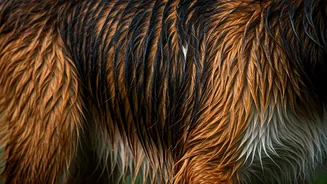
That familiar “wet dog” smell is often just the beginning. When a pet's coat, especially a thick or double coat, remains damp, it traps moisture against the skin. This creates a warm, humid microclimate that is the perfect breeding ground for bacteria
and yeast that normally live harmlessly on the skin. An overgrowth of these organisms can disrupt the skin's natural barrier, leading to inflammation, irritation, and intense itchiness. This can happen surprisingly quickly, sometimes within hours, turning a fun afternoon into a miserable experience for your pet. Two of the most common issues are acute moist dermatitis, also known as "hot spots," and yeast dermatitis (Malassezia dermatitis).
What Are Hot Spots?
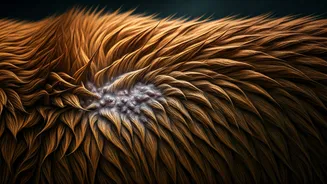
A hot spot, or pyotraumatic dermatitis, is a localized area of skin inflammation and bacterial infection that can appear suddenly and expand rapidly. It starts when a dog begins to lick, chew, or scratch an area to relieve an initial irritation, like an insect bite or lingering dampness. This self-trauma damages the skin surface, causing it to become red, raw, and ooze fluid. The matted fur over the area traps more moisture, worsening the infection and creating a painful, fast-growing lesion that requires veterinary attention. Dogs with dense coats, such as Golden Retrievers, German Shepherds, and Labradors, are particularly prone to developing them.
Recognizing the Warning Signs
Early detection is key to preventing minor irritation from escalating into a full-blown infection. Pet owners should be on the lookout for subtle clues that their pet is uncomfortable. Persistent scratching, licking, or chewing at a specific spot is often the first and most obvious sign. Other indicators include redness or inflammation of the skin, hair loss in patches, a musty or foul odor coming from the coat, and the appearance of scaly, greasy, or flaky skin. Your pet may also become restless, irritable, or suddenly dislike being touched in certain areas. If you notice any of these symptoms, especially after your pet has been wet, it’s time to take a closer look.
Your Pet-Drying Masterclass
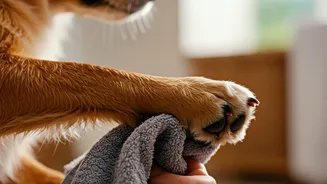
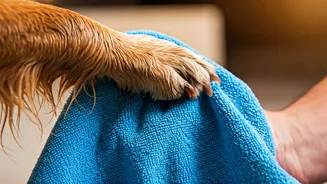
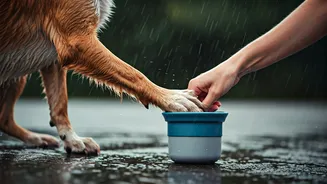
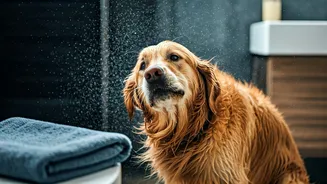
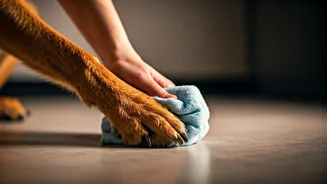
The single most effective way to prevent moisture-related skin issues is to dry your pet thoroughly and promptly after every bath, swim, or rainy walk. Start with a highly absorbent towel; microfiber towels work exceptionally well. Instead of vigorously rubbing, which can cause tangles and irritate the skin, gently pat and squeeze the fur to blot out excess water. Pay special attention to areas that trap moisture, such as the armpits, groin, between the toes, and in any skin folds. For dogs with thick or double coats, a pet-specific blow dryer on a cool or low-heat setting is invaluable. It's the airflow, not the heat, that dries the coat effectively, so keep the dryer moving and never focus it on one spot for too long. The goal is to get the coat dry right down to the skin.
When Professional Help Is Needed
While good drying habits can prevent many problems, some skin issues require professional veterinary care. A hot spot will not go away on its own and often worsens without treatment. If you discover a lesion that is red, weeping, or spreading, a trip to the vet is essential. Treatment typically involves clipping the fur around the area to let it air out, cleaning it with an antiseptic solution, and applying topical medications. In some cases, your vet may prescribe oral antibiotics or anti-inflammatory drugs to control the infection and relieve the itch. Likewise, if you suspect a fungal or yeast infection, which often presents with greasy skin and a musty smell, a proper diagnosis and anti-fungal treatment from your vet is necessary for recovery.