




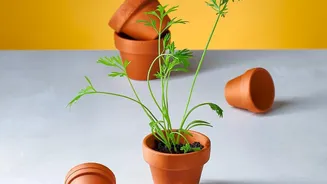

How Plants Fight Humidity
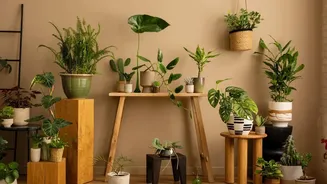
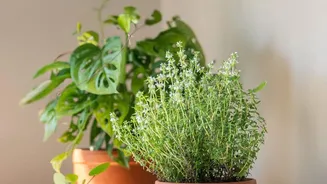
Certain plants are natural dehumidifiers. Through a process called transpiration, they absorb excess moisture from the air through their leaves. This water travels down to their roots, and in doing so, they help lower the ambient humidity in a room. Plants
with high transpiration rates are particularly effective. They not only combat dampness but also improve air quality by filtering common indoor pollutants, adding a touch of green to your home.
1. Peace Lily (Spathiphyllum)
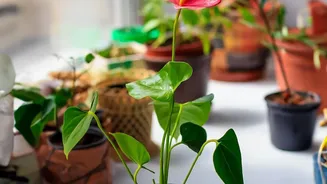
The Peace Lily is a top choice for reducing humidity. Its large, glossy leaves are efficient at absorbing moisture from the air. Native to tropical rainforests, it thrives in humid conditions, making it perfectly suited to damp corners of a home like bathrooms or kitchens. Beyond its dehumidifying prowess, the Peace Lily is celebrated for its ability to filter airborne toxins like formaldehyde and benzene. It's also relatively low-maintenance and can tolerate lower light conditions, a common feature in many rental apartments. For best results, keep the soil moist but not waterlogged.
2. Boston Fern (Nephrolepis exaltata)
With its lush, feathery fronds, the Boston Fern is another humidity-loving plant that works hard to balance the moisture levels in your home. These ferns absorb moisture directly from the air and are one of the most effective natural dehumidifiers you can find. They are a classic choice for adding a touch of green elegance indoors. To keep a Boston Fern happy, provide it with bright, indirect light and keep its soil consistently moist. Misting the plant regularly can also help, especially if your home has periods of drier air.
3. Spider Plant (Chlorophytum comosum)
The Spider Plant is a resilient and low-maintenance option that’s great for beginners. It's not just a pretty face; it’s known for its excellent air-purifying qualities, famously highlighted in a NASA study for its ability to remove toxins like formaldehyde and carbon monoxide from the air. Its arching leaves also help absorb airborne moisture, contributing to a less humid environment. Spider plants are adaptable and forgiving, thriving in a range of conditions and even tolerating occasional neglect. They are also non-toxic, making them a safe choice for homes with pets.
4. Areca Palm (Dypsis lutescens)
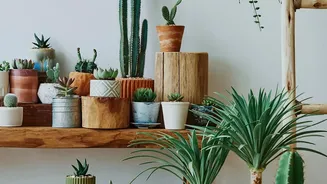
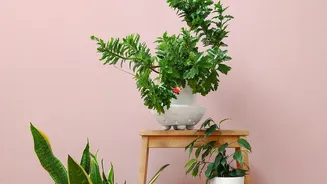
For those with a bit more space, the Areca Palm is a fantastic choice. Its long, graceful fronds are not just decorative; they are excellent at transpiring and releasing moisture, which in turn helps to manage the overall humidity of a room. This palm is known for its ability to remove indoor air pollutants as well. It prefers bright, indirect sunlight and will add a dramatic, tropical feel to your living space while working to make the air fresher and less damp. Keep its soil lightly moist for best results.
5. English Ivy (Hedera helix)
English Ivy is a hardy climbing vine that is particularly effective at removing airborne mould particles, which often thrive in damp environments. It's an excellent choice for bathrooms or kitchens where humidity can be high. As it absorbs moisture from the air, it helps create a less hospitable environment for mould and mildew to grow. English Ivy can be grown in hanging baskets to save floor space, a great advantage in smaller rental flats. It's a versatile and effective plant for tackling damp air head-on. Note that it can be toxic if ingested, so it's best kept away from pets and small children.
The Power of Clay Moisture Units
For an extra, non-electric boost, consider using clay moisture absorbers. These are typically small, decorative pots or sachets filled with a natural clay mineral like bentonite. This clay is a natural desiccant, meaning it has a highly porous structure that attracts and traps water vapour from the air through a process called adsorption. They are a cost-effective, reusable, and eco-friendly way to target dampness in enclosed spaces like wardrobes, cabinets, or small bathrooms where a plant might not fit. Once saturated, many clay absorbers can be 'recharged' by drying them out in the sun or a low oven, ready to be used again.