
The Classic Tourist Trail
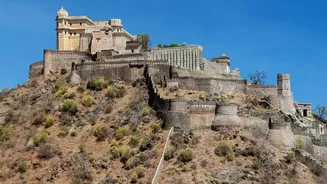
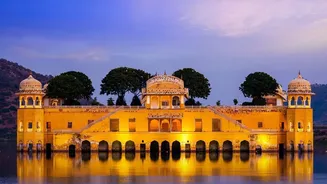
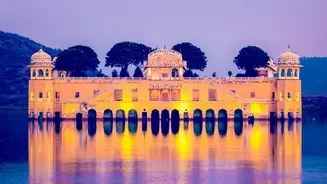
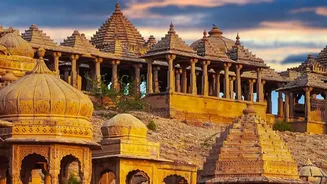
For decades, tourism in Rajasthan has revolved around a well-trodden circuit: the royal grandeur of Jaipur, the romantic lakes of Udaipur, and the imposing fortress of Jodhpur. These cities are magnificent, offering a deep dive into Rajput history, culture,
and architecture. They are home to UNESCO World Heritage Sites, bustling markets, and world-class heritage hotels. However, their immense popularity often means dealing with significant crowds, especially during the peak season from October to March. In response, and to showcase the state's diverse appeal, Rajasthan's tourism authorities are actively promoting lesser-known regions that offer a different, often more tranquil, experience.
For Udaipur's Lakes, Try Banswara
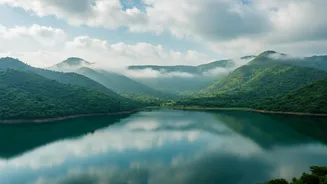
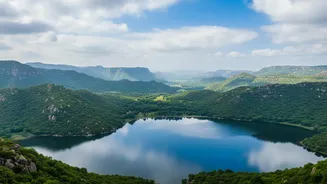
Udaipur is famously called the 'City of Lakes' for its stunning water bodies like Lake Pichola and Fateh Sagar Lake. It is celebrated for its romantic atmosphere and palatial lakeside hotels. As an alternative, the state is highlighting Banswara in southern Rajasthan. Known as the 'City of a Hundred Islands', Banswara offers a unique aquatic landscape formed by the backwaters of the Mahi Dam. Unlike Udaipur’s curated lakefronts, Banswara provides a more rustic and natural charm, especially during the monsoon when the region turns into a lush green paradise with waterfalls like Jua Falls coming to life. While Udaipur is about regal heritage, Banswara’s appeal lies in its tribal culture, ancient temple ruins at Arthuna, and serene natural escapes like Chacha Kota, where you can see the scattered islands. It's an unpolished gem for travellers seeking nature and tranquility over polished luxury.
For Jaipur's Forts, See Jhalawar
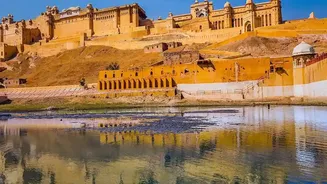
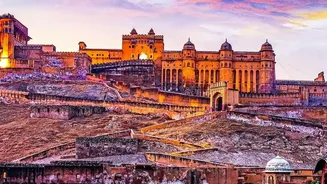
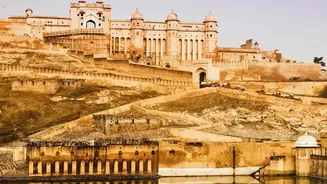
Jaipur's identity is intertwined with its magnificent forts like Amer, Nahargarh, and Jaigarh. These structures are marvels of military architecture and royal history. For those seeking a different kind of historical exploration, Jhalawar in the state's southeast offers a compelling alternative. Unlike the arid landscapes surrounding Jaipur, Jhalawar is a verdant region known for its water-laden terrain, orange orchards, and red poppy fields. Its star attraction is the Gagron Fort, a UNESCO World Heritage site that is a rare example of a 'Jal Durg' or water fort, surrounded by rivers on three sides. The region also boasts unique ancient Buddhist caves and stupas at Kolvi, showcasing a different layer of history not found in the mainstream Rajput capitals. While Jaipur buzzes with activity, Jhalawar provides a quieter, less commercialised atmosphere for history buffs to explore forts, temples, and palaces at a relaxed pace.
For Heritage and Art, Explore Shekhawati
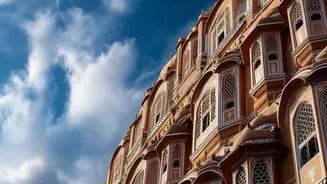
The cities of the traditional tourist circuit are filled with grand palaces and intricate carvings. However, the Shekhawati region offers a unique and distributed heritage experience, earning it the nickname 'the open-air art gallery of Rajasthan'. Instead of a single massive fort or palace, Shekhawati's allure is spread across towns like Mandawa, Nawalgarh, and Fatehpur, which are famed for their fresco-covered havelis (mansions). Built by wealthy Marwari merchants in the 18th and 19th centuries, the walls of these havelis are covered in elaborate paintings depicting mythology, colonial life, and early modern inventions. A trip here is about wandering through quiet towns and discovering artistic masterpieces on every corner. It offers a more authentic, village-like experience compared to the bustling urban centres, making it ideal for art lovers, photographers, and history enthusiasts seeking a glimpse into the lives of the region's great trading families.