





Before You Leave: The Planning Stage
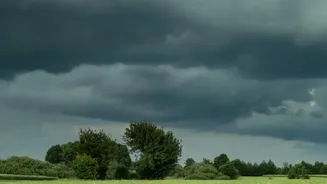
Smart travel during monsoon season begins before you even step out of the door. One of the most critical steps is to check the weather forecast for your destination and the route you plan to take. Use reliable apps like the government's official 'Mausam'
app or others like Skymet Weather to get real-time updates, including warnings for heavy rain or thunderstorms. Recent events have shown that heavy rainfall can cause significant disruptions, including flight cancellations and diversions, so being informed is key. Also, it's wise to build buffer days into your itinerary. This flexibility can be a lifesaver if your train is delayed or a road is temporarily closed, preventing a domino effect of missed bookings and stress.
Pack Smart, Not Heavy
Your packing list for a monsoon trip looks a little different. Prioritise lightweight, synthetic, and quick-drying clothes. Heavy fabrics like denim are a poor choice as they take a long time to dry and can feel uncomfortable in humid conditions. Darker coloured clothing can also be practical to hide any mud or puddle splashes. Your most important accessories will be a sturdy umbrella and a lightweight raincoat or poncho. Footwear is crucial; opt for waterproof sandals or shoes with a good grip to navigate slippery surfaces. Finally, protect your valuables. Use waterproof bags or zip-lock pouches for your electronic devices, passport, and other important documents. A waterproof cover for your backpack is also a non-negotiable item.
On the Road: Tips for Drivers
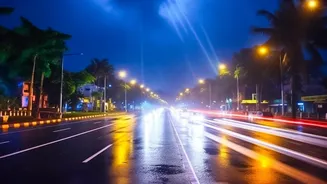
Driving during the rains demands extra caution. The first rule is to slow down, as wet roads increase braking distances significantly. Maintain a safe gap between your vehicle and the one in front. Before you start, ensure your tyres are in good condition with proper tread to avoid hydroplaning. Use your headlights even in light rain to increase your visibility to other drivers. The biggest danger is often waterlogged streets. Never attempt to drive through a flooded area, as the water can hide deep potholes or open drains and may be deeper than it appears. If visibility becomes extremely poor, it's safer to pull over to a safe spot and wait for the weather to improve.
Navigating Trains and Flights
Public transport is often a safer bet during heavy rains, but it comes with its own set of challenges. Heavy rainfall can affect train schedules, leading to significant delays. Always check your train's status before heading to the station and be careful on slippery platforms. For air travel, delays and cancellations are common during severe weather. Airlines typically issue travel advisories, so check their websites or apps for the latest information on your flight. It’s advisable to reach the airport with extra time to spare, as road traffic leading to it can be slow. Having a power bank fully charged ensures your phone doesn't die while you wait for updates.
Health and Safety First
The monsoon brings an increased risk of water-borne diseases and mosquito-related illnesses. To stay healthy, always drink bottled or purified water and be cautious about street food, especially items that may have been exposed to contaminated water. It's also a good idea to carry a basic first-aid kit with antiseptic wipes, bandages, and any personal medications you need. Mosquito repellent is another essential item to pack, especially if you are travelling to areas with lush greenery. Finally, always keep emergency contact numbers handy and inform your family or friends of your itinerary. A little caution goes a long way in ensuring your monsoon journey is memorable for all the right reasons.