




Choose a Water-Resistant Foundation
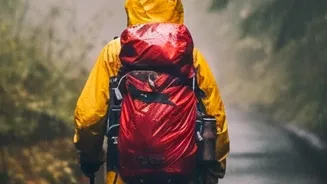
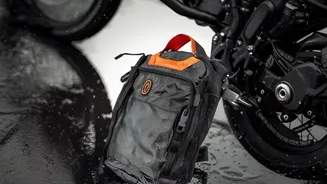
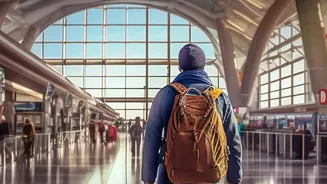
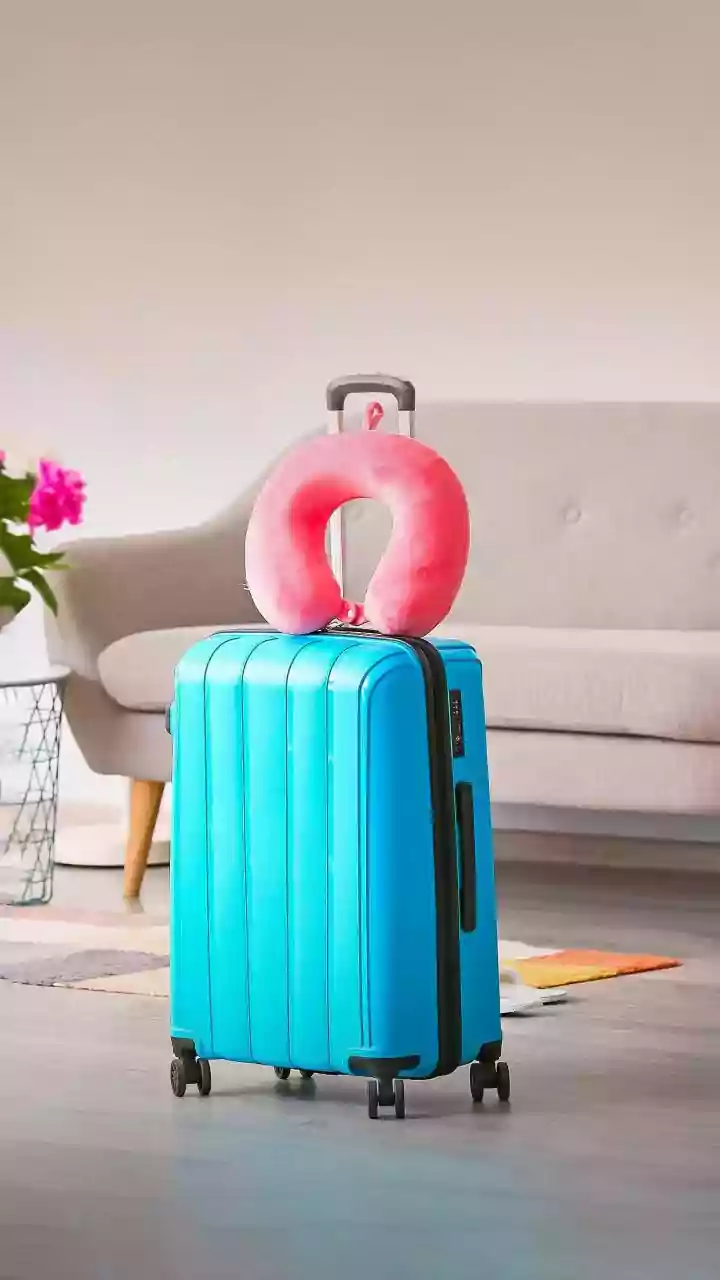
Your first line of defence is your primary luggage. While no fabric bag is truly waterproof, a water-resistant backpack or hard-shell trolley case is a crucial starting point. Standard soft-sided bags can act like sponges in a downpour, absorbing water through
the fabric and seams. Look for bags with water-repellent coatings and covered zippers. Even with a good bag, remember that airport tarmacs, auto-rickshaw rides, and bus storage can expose your luggage to puddles and rain. A quality water-resistant bag ensures that even if the exterior gets soaked, the contents have a much better chance of staying dry. Think of it as the outer shell of a multi-layered protection system.
Embrace Double-Bagging with Dry Bags
For your most valuable electronics like laptops, cameras, and tablets, a single layer of protection isn't enough. Invest in dedicated dry bags or waterproof pouches. These are designed to provide a watertight seal, often with a roll-top closure that is far more secure than a simple zip. Place each expensive electronic item in its own individual waterproof pouch before packing it into your main luggage. This strategy, known as double-bagging, gives you peace of mind. Should your main bag fail or be left in a heavy downpour, your expensive gear remains shielded within its own waterproof cocoon. Sizes range from small pouches for phones to larger bags for laptops.
The Humble Ziplock Bag is Essential
Never underestimate the power of a simple ziplock bag. While not as robust as a dedicated dry bag for full submersion, they are perfect for organising and protecting smaller items from splashes and ambient moisture. Use them for chargers, power banks, cables, memory cards, and travel adapters. They are inexpensive, transparent, and provide an effective barrier against rain. It's a wise practice to keep a few extra empty ones in your bag for emergencies, like protecting your phone during a sudden cloudburst or separating a damp item from your dry electronics.
Combat Humidity with Silica Gel
Water isn't the only enemy during the monsoon; high humidity is a silent threat that can cause corrosion and moisture damage to internal electronic components. The small “do not eat” packets you find in new shoes or electronics packaging are filled with silica gel, a powerful desiccant. Before your trip, collect these packets and sprinkle them throughout your luggage, especially within the compartments holding your electronics. Place a few inside your camera bag, laptop sleeve, and the pouch where you store your cables. They work by absorbing ambient moisture from the air, creating a drier micro-environment that helps prevent fungus, rust, and short circuits.
Organise Cables to Save Space
A tangled mess of cables not only looks chaotic but also takes up more space and can get damaged easily. Use a dedicated electronics organiser or tech pouch to neatly store your chargers, cables, and adapters. These organisers often have elastic loops and zippered pockets that keep everything in its place. This not only protects the delicate connection points of your cables but also makes it easy to find what you need without rummaging through your entire bag. Rolling cables neatly and securing them with cable ties or Velcro straps before placing them in a pouch is an effective space-saving technique.
Pack Lighter by Going Digital
Maximising luggage space often means reducing what you pack. Before you leave, take some time to digitise what you can. Instead of packing bulky books, load them onto an e-reader or tablet. Download offline maps to your phone so you don’t need a physical map. Scan copies of your important documents—passport, visa, tickets, hotel confirmations—and save them to a secure cloud service. This not only frees up space but also ensures you have backups if the physical copies get lost or damaged by water. Carrying a power bank is also essential to keep your primary device charged for navigation and communication.