


The Pickle Paradox: Why We're Wary
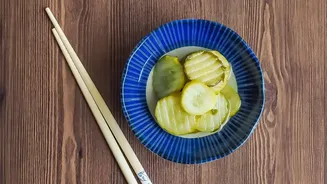
For many health-conscious eaters, the word 'pickle' comes with a warning label. We've been trained to associate it with sky-high sodium levels and artificial preservatives. Supermarket shelves are lined with mass-produced jars where flavour is often a one-note
song of salt and vinegar. These commercial pickles are designed for an incredibly long shelf life, a journey that often involves chemical preservatives, stabilizing agents, and pasteurization, which kills off any beneficial bacteria. This industrial approach creates a consistent but often lifeless product, stripping away the nuance and character that defines a truly great pickle. As a result, this flavourful condiment has been unfairly relegated to a 'sometimes' treat, when in reality, its traditional form is a world apart.
The Artisanal Difference
Artisanal and traditional Indian pickles, or 'achar', are crafted with an entirely different philosophy. Here, preservation is an art form that relies on natural methods passed down through generations. Instead of a rush to the shelf, the process is slow and deliberate. Ingredients are often seasonal, sun-dried, and combined with high-quality, cold-pressed oils like mustard or sesame, which have their own natural antimicrobial properties. The real magic lies in the complex blend of spices like turmeric, fenugreek, mustard seeds, and asafoetida. These aren't just for taste; they are active participants in preservation, allowing makers to rely less on salt for flavour and safety. This traditional method, which often involves fermentation, creates a pickle that is alive, evolving in flavour over time.
A Gut-Friendly Flavour Boost
One of the most significant benefits of traditionally made Indian pickles is their probiotic potential. The natural fermentation process, especially in pickles made without vinegar and allowed to mature in the sun, encourages the growth of beneficial bacteria like Lactobacillus. These probiotics are essential for a healthy gut microbiome, which is linked to improved digestion, stronger immunity, and even better mental well-being. While a commercial, vinegar-preserved pickle is largely inert, a spoonful of fermented artisanal achar can introduce these helpful microbes to your system. This transforms the pickle from a simple condiment into a functional food that works for your body.
More Than a Salty Bite
The health benefits don't stop with probiotics. The spices used generously in Indian pickles are nutritional powerhouses. Turmeric is a well-known anti-inflammatory, while fenugreek can help with blood sugar regulation. Ingredients like lemon and amla (Indian gooseberry) make pickles rich in Vitamin C, a crucial antioxidant for immune support. The spices also contribute a wealth of other antioxidants that help protect the body from damage caused by free radicals. Unlike many modern condiments loaded with sugar and unhealthy fats, most traditional pickles are low in calories and can be a guilt-free way to add a burst of complex flavour to your meals.
Finding and Using Your Perfect Pickle
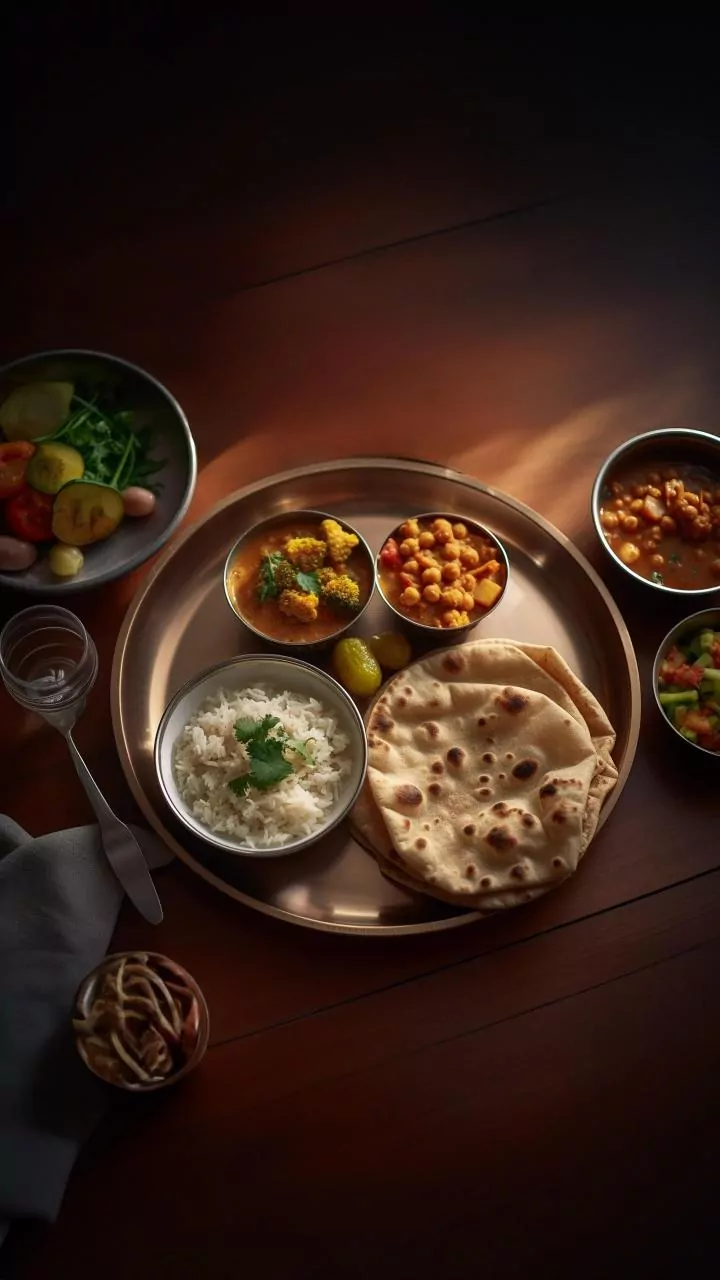
Exploring the world of artisanal Indian pickles is a culinary adventure. Each region of India has its own unique styles, from Gujarat's sweet mango 'chunda' to Andhra's fiery 'avakaya'. To find the good stuff, look beyond the main supermarket aisle. Seek out local Indian grocers, farmers' markets, and online sellers specializing in small-batch, homemade-style pickles. Read the labels: look for simple ingredients like fruit or vegetables, oil, salt, and spices. Avoid jars with long lists of chemical-sounding preservatives or 'acidifying agents'. And don't just reserve them for Indian meals. A dab of spicy lemon pickle can liven up a sandwich, a spoonful of mango pickle can be whisked into a salad dressing, and a mixed vegetable pickle is a perfect, tangy accompaniment to a simple dish of dal and rice.