



Finding time for fitness can be a challenge. At-home walking workouts offer a simple, effective, and incredibly convenient solution to get your steps in, boost your heart rate, and improve your overall well-being right from your living room.
Why Walk at Home?
Walking is
a powerful, low-impact exercise with numerous health benefits. When you bring that workout indoors, you remove common barriers like bad weather, scheduling conflicts, and safety concerns. Indoor walking is gentle on the joints, making it suitable for all fitness levels, including beginners and those with conditions like arthritis. Regular brisk walking for about 30 minutes a day can lead to lower blood pressure, improved mood, better sleep, and a reduced risk of chronic diseases like heart disease and Type 2 diabetes. It is a legitimate and effective way to maintain cardiovascular fitness and manage weight without ever needing to step outside.
Your Simple Starter Kit
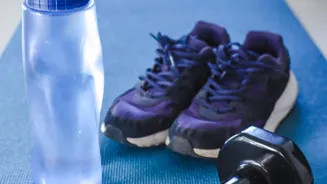
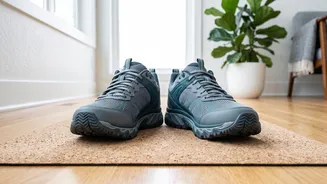
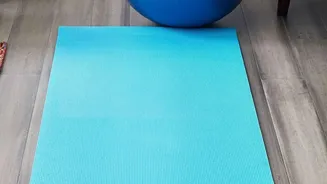
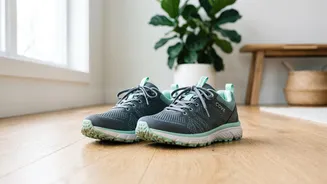
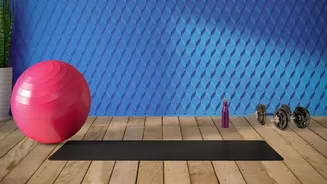
One of the biggest advantages of an at-home walking workout is the minimal equipment required. You don’t need a pricey treadmill or fancy gadgets to get started. The most important item is a good pair of supportive shoes to provide comfort and stability. Wear comfortable, breathable clothing that allows you to move freely. While not essential, a yoga mat can be useful for warm-ups and cool-down stretches. The goal is to create a clear, safe space for your workout. Remove any potential trip hazards like rugs, toys, or small furniture from your designated walking area to ensure you can move without obstruction.
Mastering the Basic Moves
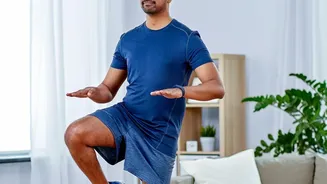
An indoor walking workout is more than just marching in place. To make it dynamic and effective, incorporate a variety of movements that engage different muscle groups. Start with a simple march, then introduce variations like bringing your knees up high toward your chest (high knees), kicking your heels back toward your glutes (butt kicks), and stepping from side to side. Don't forget your arms; swinging them naturally helps increase your heart rate and calorie burn. You can also add punches, overhead presses (without weights), or large arm circles to engage your upper body and core. Alternating between these different movements keeps the workout engaging and targets more than just your legs.
A Sample 20-Minute Beginner Workout
Ready to try it? Here is a simple structure for a 20nd minute session. Begin with a 3rd minute warmup of slow, gentle marching to get your blood flowing. For the main workout, alternate between different moves every minute. Try this sequence: one minute of brisk walking in place, one minute of high knees, one minute of side steps, and one minute of butt kicks. Repeat this four minute circuit three times. To finish, dedicate the last five minutes to a cool down. Gradually slow your marching pace and perform some gentle stretches for your legs, particularly your calves, hamstrings, and quads. This structure keeps you engaged and ensures a balanced, full body effort.
Level Up Your Walk
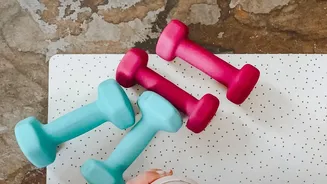
Once you feel comfortable with the basics, there are several ways to increase the intensity. You can increase the duration of your workout or pick up the pace to keep your heart rate elevated. Incorporating light hand weights or wrist weights can add resistance and challenge your upper body. You can also introduce intervals: alternate between one minute of high intensity, fast paced walking and one minute of recovery at a slower pace. If you have stairs, walking up and down them a few times is an excellent way to build strength in your legs and glutes.
Staying Motivated and Consistent
The key to seeing results is consistency, and the key to consistency is enjoyment. To keep boredom at bay, create a playlist of upbeat music with a strong beat to help you set your pace. Many people find walking while watching a favorite TV show or listening to a podcast makes the time fly by. There are also thousands of free guided walking workout videos online that you can follow along with for added structure and motivation. Tracking your progress with a fitness app or a simple notebook can also be a great way to see how far you've come and inspire you to keep going.