







Why September Rain is Crucial
The monsoon season, which runs from June to September, is the lifeblood of India's agriculture-dependent economy. While the season's overall performance matters, the final spell of rains in September holds unique importance. These late showers are vital
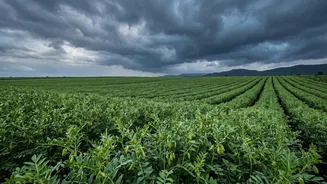
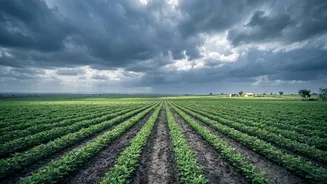
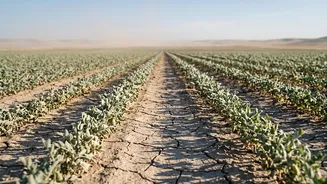
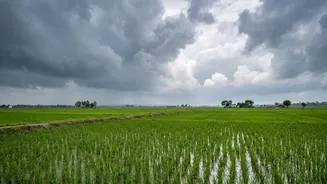
for the final growth stage of standing kharif (monsoon) crops like paddy, pulses, and oilseeds, helping the grains to fill out. More importantly, September rainfall determines the level of soil moisture available for the upcoming rabi (winter) sowing season, which includes key crops like wheat and mustard. A significant deficit now can therefore create a domino effect, impacting both the current harvest and the next planting cycle.
The Pulse Predicament
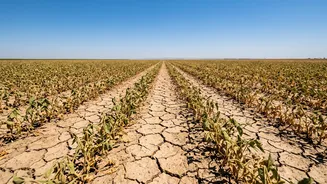
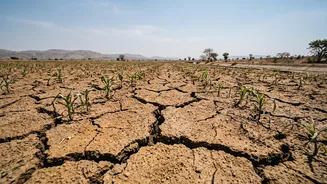
Pulses, a primary source of protein for millions, are particularly vulnerable to the whims of the late monsoon. Crops like tur (pigeon pea) and urad (black gram) have long growing cycles and depend on September rains for their final yield. An uneven or weak end to the monsoon can lead to moisture stress, stunting crop development and reducing output. Experts have noted that even with decent sowing numbers earlier in the season, a dry September directly threatens yield potential. Any significant drop in the domestic production of pulses often leads to a sharp increase in market prices, as demand consistently outstrips supply, forcing a greater reliance on imports to keep prices in check.
Vegetable Prices on the Vine
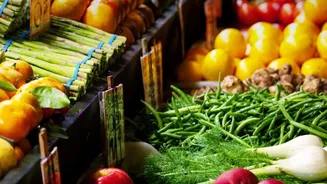
Unlike pulses or grains, vegetables have much shorter cultivation cycles and are highly sensitive to immediate weather conditions. Their supply and prices can react almost instantly to rainfall patterns. A dry spell in September can quickly diminish yields of commonly consumed vegetables, leading to supply disruptions. Farmers may face higher costs as they rely more on irrigation to save their crops, a cost that eventually gets passed on to the consumer. Consequently, a below-normal September monsoon is often a direct trigger for a spike in the prices of staples like tomatoes, onions, and leafy greens, hitting household budgets first and hardest.
The Ripple Effect on Food Inflation
The India Meteorological Department (IMD) has officially forecast that rainfall for September 2026 is likely to be below normal, at less than 91% of the long-period average. This follows a volatile season that saw deficits in June and August. Economists and analysts are watching this development closely, as it poses a significant risk to food inflation. Food prices were already showing signs of accelerating, with food inflation reaching 5.52% in July 2026. A poor showing from the September monsoon could worsen this trend. Several financial reports have warned that continued weak rainfall could push overall consumer price inflation for the fiscal year higher, with some estimates suggesting it could reach 5.5% or more. The performance of these final monsoon weeks is now seen as the critical factor determining India's inflation outlook.