
What the Global Report Reveals
The latest UN report on global food security and nutrition, released in mid-2026, paints a complex picture. While there has been some progress in reducing extreme hunger, the report highlights two major concerns that affect countries like India directly:
the rising cost of a healthy diet and the 'double burden' of malnutrition. This double burden refers to the strange reality where undernutrition (like stunting in children) exists alongside a rapid increase in overweight and obesity among adults. One of the report's key takeaways is that simply getting enough calories is not enough. Access to nutritious, balanced food is what truly matters for long-term health, yet this is becoming unaffordable for a significant portion of the population.
India's 'Double Burden' Challenge
India finds itself at the centre of this nutritional paradox. For decades, the focus was on fighting undernutrition, and while progress has been made in reducing child stunting, it remains a serious issue. Simultaneously, lifestyles are changing, leading to a surge in adult obesity and diet-related diseases like diabetes. The country is now grappling with both problems at once. Studies show that even within the same communities, and sometimes the same families, you can find both underfed children and overweight adults. This signals a crucial shift: our national conversation must move from just food security (having enough food) to nutrition security (having the right food).
Fighting 'Hidden Hunger' With a Balanced Thali
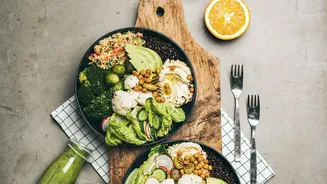
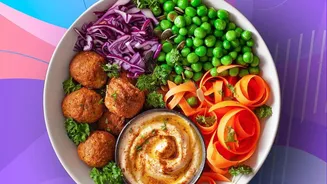
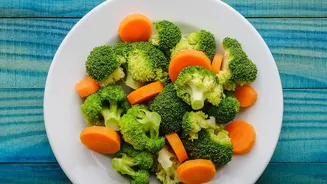
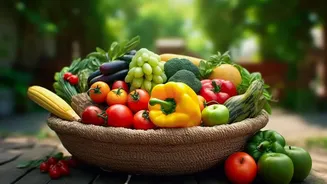
The UN report also implicitly points to 'hidden hunger,' or micronutrient deficiencies. In India, deficiencies in iron, vitamin B12, vitamin D, and calcium are widespread across all age groups. Our traditional cereal-heavy diets often lack the necessary variety to provide all essential vitamins and minerals. This is where the concept of a balanced meal becomes a powerful tool. A well-planned Indian thali is a perfect model. A simple rule is the 50-25-25 plate: fill half your plate with vegetables (sabzi and salad), a quarter with protein (dal, paneer, chicken, fish), and the final quarter with complex carbohydrates (roti, brown rice, or millets). This ensures a mix of fibre, protein, and essential nutrients in every meal.
Why Meal Planning is Your Best Strategy
The idea of a balanced diet can feel overwhelming, but the most effective way to achieve it is through simple meal planning. Planning your meals for the week ahead does more than just save time and reduce stress. Studies show that people who plan their meals tend to have a more varied diet, better diet quality, and a lower risk of being overweight. It helps you control portions, reduce reliance on takeaways or processed foods, and ensure you are incorporating a variety of food groups. You don’t need a complicated spreadsheet; just jotting down a few ideas for lunch and dinner can help you build a more intentional grocery list and avoid last-minute, unhealthy choices.
Simple Steps to Start Today
Making a change doesn't require a complete diet overhaul. Start with small, manageable steps. Begin by planning just three dinners for the upcoming week. When you cook, make a little extra dal or sabzi for lunch the next day. Aim to include a simple salad or a bowl of curd with your main meals to boost vegetable and protein intake. Instead of regular white rice for every meal, try introducing millets or brown rice a few times a week. Focus on adding colour to your plate—more colourful vegetables usually mean more nutrients. The goal isn't perfection, but progress. By making mindful choices one meal at a time, you put the powerful advice of the UN's global report into practice right at your own dinner table.