




The Rulebook: Does He Qualify?
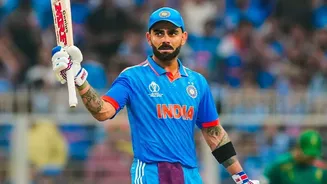
From a purely regulatory standpoint, the answer is a resounding yes. The BCCI's eligibility criteria for the head coach position are well within Virat Kohli's reach. The requirements typically include having played a minimum of 30 Test matches or 50 ODIs.
With 123 Tests and well over 250 ODIs to his name, Kohli clears this hurdle with ease. Alternatively, candidates can qualify through prior coaching experience with a full-member nation or a top-tier T20 league team, or by holding a BCCI Level 3 certification. While Kohli would need to pursue certification if he chose that path, his extensive playing career alone makes him a perfectly valid applicant. The primary criteria—a decorated international career—is something he embodies, making him technically eligible the day he decides to apply.
The Temperament of a Coach
This is where the debate truly begins. Kohli's career has been defined by superhuman intensity, relentless aggression, and an uncompromising will to win. As a player, these traits made him a generational talent. As a coach, however, they could be both a blessing and a curse. A coach must be a patient mentor, a calm strategist, and an expert man-manager for a dressing room of diverse personalities. Great players sometimes struggle to understand why others can't match their natural genius or fierce dedication. The very selfishness and single-minded drive that fuels an elite athlete can be at odds with the nurturing role of a coach, who must adapt their style to suit each player's needs rather than imposing their own. The challenge for a potential 'Coach Kohli' would be channelling his legendary fire into a force that builds others up rather than burning them out.
The Player-to-Coach Precedent
Cricket history is filled with mixed examples of great players turning to coaching. For every success story, there is a cautionary tale. Rahul Dravid, a contemporary of Kohli and a legend in his own right, has become a highly respected coach. After successful stints with the India U-19 and A teams, he took the helm of the senior team, a role defined by meticulous preparation and a calm, guiding presence. Similarly, players like Gary Kirsten and Andy Flower transitioned from successful playing careers to lead India and England, respectively, to World Cup glory and the number one Test ranking. However, other legends, like Kapil Dev, had less memorable coaching tenures. The success of a player-turned-coach often depends on their ability to translate personal greatness into a teachable philosophy, a task that is far from guaranteed.
The Tactical Mastermind
One of the strongest arguments in favour of Kohli as a coach is his undeniable tactical acumen. As a captain, he was known for his sharp understanding of the game's flow, his proactive field placements, and his ability to read situations. He drove a fitness culture that revolutionised Indian cricket and demanded exceptional standards. A coach must be a strategist with a clear vision for how to build a winning team. Kohli’s entire career has been a masterclass in preparation and tactical execution. He has demonstrated an ability to develop and improve talent, demanding high standards of professionalism. The question isn't whether he understands the game at a deep level, but whether he can effectively communicate that knowledge and manage the different egos and skill levels within a team.
What Has Kohli Said?
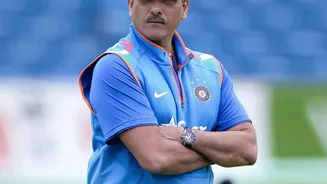
While fans speculate, those closest to Kohli seem less convinced he will pursue a post-playing role in the spotlight. Both former coach Ravi Shastri and teammate Ravichandran Ashwin have suggested that Kohli is more likely to walk away from the game for a while to enjoy a much-needed break with his family. Shastri stated that Kohli is not the type who would likely take on coaching or broadcasting. Ashwin echoed this, suggesting both Kohli and Rohit Sharma would probably want a break after their long, intense careers. Kohli himself has hinted at wanting to travel and not leaving any 'undone business' behind in his playing career, suggesting a clean break is more likely than an immediate transition into another high-pressure job within the cricketing ecosystem.