


A Canvas of Deep, Rich Hues
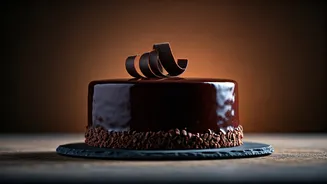
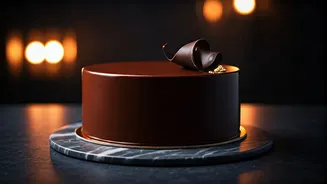
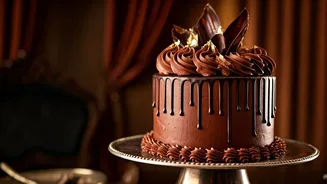
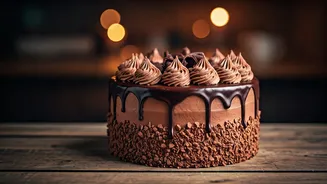
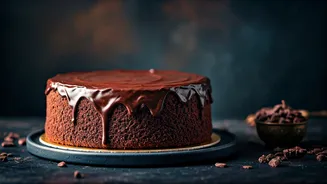
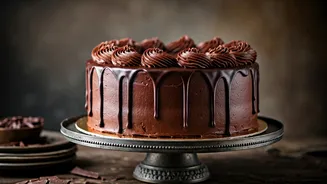
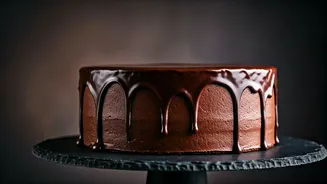
The first thing that strikes you about a vintage-style dark chocolate ganache cake is its colour. Unlike the bright, playful shades of many modern desserts, this cake leans into a palette of deep, moody browns. The ganache, a simple yet decadent mix of chocolate and
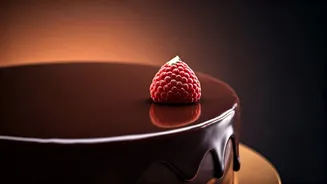
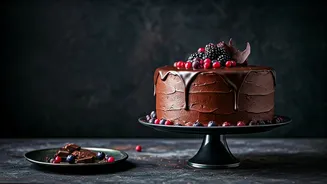
cream, can be finished to a glossy mirror shine or a soft, matte texture. This rich, dark surface acts as a dramatic backdrop, making any decoration—from a simple dusting of cocoa powder to a fresh berry—pop with intensity. The colour itself speaks of richness and sophistication, promising a flavour experience that is complex and deeply satisfying, a visual cue for the bittersweet notes of high-quality dark chocolate.
The Beauty of Imperfect Perfection
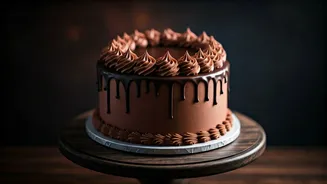
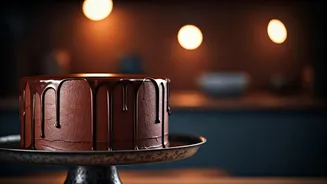
Part of the charm of a vintage ganache cake lies in its rejection of rigid perfection. While some vintage styles involve intricate piping, the dark chocolate aesthetic often embraces a more rustic, artisanal look. Think of ganache applied with a visible swirl from a spatula, drips that cascade organically down the sides, or a surface adorned with rough-hewn chocolate shavings or curls. This visible touch of the baker’s hand tells a story of craft and care. It feels authentic and approachable, a stark contrast to the flawless, almost artificial look of perfectly smooth fondant. This 'imperfect' finish suggests a cake made for eating and enjoying, not just for admiring from a distance.
Nostalgia on a Plate
The word 'vintage' itself is a powerful trigger for nostalgia, and these cakes tap directly into that feeling. For many, they evoke memories of a grandmother's baking or a classic dessert from a cherished family celebration. This emotional connection is potent; research shows that food-evoked nostalgia can improve mood and foster a sense of comfort and connection. In a world of constant change and uncertainty, these cakes offer a taste of something reliable and timeless. Their classic appearance feels safe and reassuring, reminding us of simpler times and the enduring pleasure of a well-made, traditional dessert.
A Story Told Through Texture
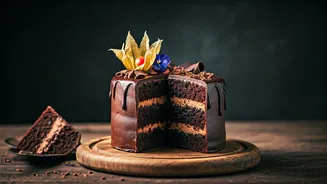
Beyond the swirls and drips, texture plays a key role in the cake's visual narrative. A ganache coating can be a study in contrasts. It might be silky smooth in one area and artfully textured in another. Bakers use palette knives to create waves, forks to make cross-hatch patterns, or stencils to impart delicate designs. Decorations add another layer of textural interest. The delicate fragility of a chocolate leaf, the sharp geometry of chocolate shards, or the fresh plumpness of a raspberry all contribute to a multi-sensory experience that begins long before the first bite. Each textural element adds depth and character, turning the cake into an edible work of art that invites closer inspection.
An Enduring Symbol of Elegance
Ultimately, the aesthetic appeal of a dark chocolate ganache cake is rooted in its understated elegance. It doesn’t need vibrant colours or flashy gimmicks to make a statement. Its beauty is inherent in the quality of its main ingredient—the chocolate. The origin of ganache itself is storied, reportedly an accident in a 19th-century French pastry kitchen that turned an apprentice's mistake into an icon of patisserie. That history lends it an air of classic European sophistication. Whether adorned with a single, perfect flower or left entirely plain, the cake’s deep colour and rich finish convey a sense of luxury and timeless style that continues to captivate.