





The Crushing Weight of Expectation
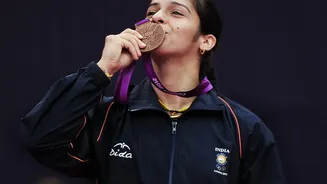
For years, players like PV Sindhu have carried the hopes of a billion people. While this support is a driving force, the pressure it creates is immense. Every major tournament, from the Olympics to the Asian Games, is framed as a do-or-die mission for a medal.
This relentless expectation can be a heavy burden, impacting players' ability to play freely in crucial moments. Experts note that in high-stakes matches, the mental game is often the decider. When a player is tight, their strokes can falter and decision-making becomes clouded. This was visible in several close matches where Indian players couldn't convert crucial points, succumbing to the pressure of the moment.
An Unforgiving Competitive Gauntlet
In badminton, the Asian Games are often considered tougher than the Olympics due to the sheer depth of talent. Nations like China, Indonesia, South Korea, Japan, and Malaysia are traditional powerhouses. This means a player could face a top-10 opponent as early as the quarter-finals. Unlike other global tournaments, there are no easy opening rounds. The path to a medal is a gauntlet of elite competition from the very start. The recent campaign saw Indian players fall to top-seeded opponents from China and Japan in incredibly close contests, highlighting the razor-thin margins at this level. This isn't an excuse, but a reality of the landscape; succeeding here requires not just skill, but remarkable consistency and a bit of luck in the draw.
The Battle Against Burnout and Injuries
The modern BWF World Tour is a grueling, year-long circuit. Players are constantly travelling, competing, and trying to maintain their rankings, often at the expense of adequate rest and focused training blocks. This can lead to physical and mental burnout by the time a major event like the Asian Games arrives. Several Indian players have been grappling with niggling injuries and inconsistent form leading up to big tournaments. Some experts have pointed to a culture of overtraining in Indian sports, where more is not always better. Inadequate recovery was also cited as a major factor in the recent Asian Games, with punishing schedules forcing players into multiple matches in under 24 hours, severely impacting their physical readiness for knockout rounds.
Coaching Instability and Tactical Rigidity
While India has robust training infrastructure, questions are being raised about coaching stability and tactical adaptability. Some of India's top players have frequently changed coaches, a tendency one former international called a "recipe for disaster." A revolving door of coaches can disrupt a player's rhythm and long-term development. Furthermore, critics point to a certain tactical rigidity in high-pressure situations. Opponents appear to have figured out the patterns of Indian players, who sometimes struggle to switch strategies mid-match when Plan A isn't working. This lack of on-court problem-solving has been a recurring theme in losses against the world's best, who are known for their tactical flexibility.
The Underdeveloped Next Generation
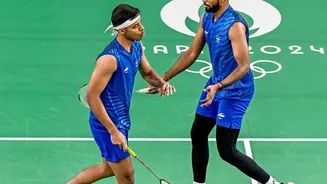
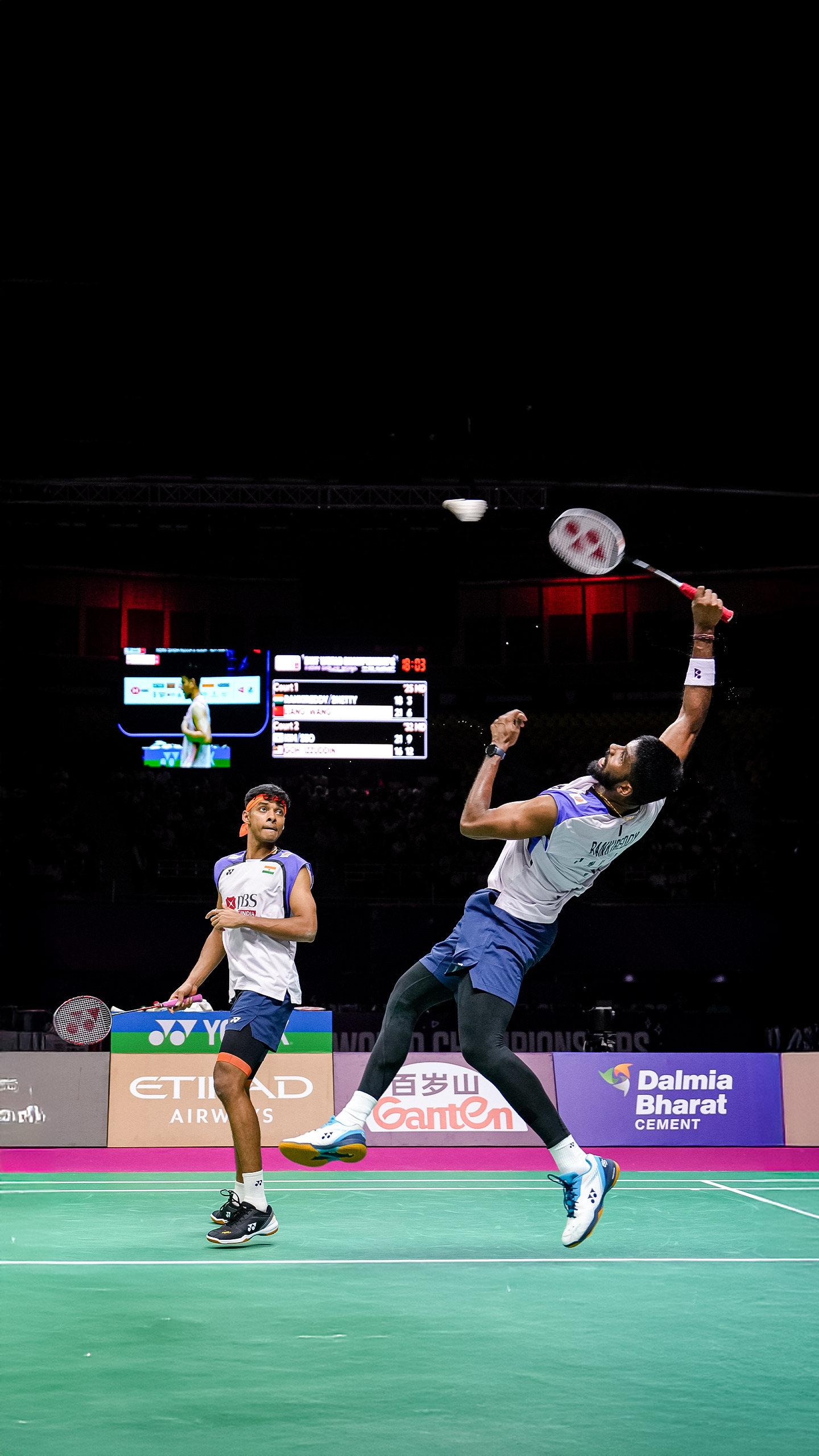
For a long time, the burden of winning has rested on a handful of senior players. While players like Satwiksairaj Rankireddy and Chirag Shetty have created history in doubles, the singles pipeline has shown worrying gaps. While promising talents like Ayush Shetty and Unnati Hooda are emerging, they are still finding their feet on the senior international circuit. The transition from a successful junior career to a formidable senior player is a significant leap. Recent results from junior world championships suggest that the next generation isn't yet ready to consistently challenge the elite, putting even more pressure on the established stars to deliver every single time. Building a wider base of top-30 players is crucial for sustained success.