



The Allure of an Unspoiled Paradise
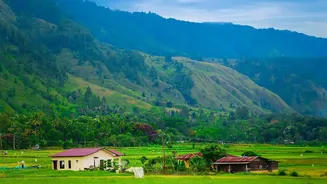
Ziro Valley isn't just a destination; it's an experience. Nominated for UNESCO World Heritage status, its landscape is a mesmerising canvas of terraced rice-fish farms, misty pine forests, and bamboo groves. This is the homeland of the Apatani community,
a tribe known for its incredible sustainable agricultural practices and a rich cultural heritage that has thrived for centuries. For travellers weary of crowded tourist circuits, Ziro offers a rare sense of peace and authenticity. It’s a place where life moves at a slower, more deliberate pace, dictated by seasons and ancient traditions. Whether it’s the quiet hum of village life or the vibrant energy of the famous Ziro Music Festival, the valley’s appeal lies in its ability to feel both timeless and vibrantly alive.
The Gatekeeper: What is an Inner Line Permit?
To enter this protected region, Indian citizens from outside the state must obtain an Inner Line Permit (ILP). The ILP is an official travel document issued by the state government, a legacy of the colonial-era Bengal Eastern Frontier Regulation of 1873. Originally designed to regulate interactions between British subjects and tribal communities, its modern purpose is to protect the unique cultural identity, land, and demographic balance of indigenous populations. For travellers, obtaining an ILP for Arunachal Pradesh is a straightforward process, often done online or upon arrival at designated points. A tourist ILP is typically valid for 15 days and can be extended, ensuring that visitors are documented and their stay is temporary. Far from being a barrier, it’s a formal invitation into a protected and cherished land.
A Different Kind of Tourism
The ILP system has an important, if unintended, consequence: it filters for a more mindful kind of traveller. The extra step of acquiring a permit deters casual, large-scale tourism, thereby preventing the overcrowding that has damaged so many other fragile ecosystems in India. This fosters a model of sustainable and responsible travel. Young travellers, in particular, are drawn to Ziro not for a commercialised holiday but for a genuine connection. This has given rise to a thriving homestay culture. Instead of large hotels, the valley is dotted with traditional homes where families welcome guests, offering an authentic glimpse into their lives. This approach ensures that tourism revenue directly benefits the local community, empowering residents and preserving the very culture visitors come to experience.
Living with the Apatani
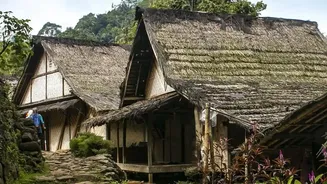
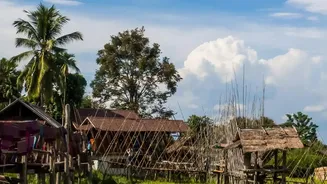
A homestay in Ziro is more than just a place to sleep; it’s an immersion. Guests stay in traditional bamboo-and-pine houses, often built on stilts, where life revolves around the central hearth. Meals are a shared experience, featuring local delicacies like bamboo shoot curry, smoked pork, and freshly caught fish, all cooked over an open fire. Hosts become guides, sharing stories, explaining the sophisticated rice-fish cultivation system, and leading walks through sacred groves. For young travellers seeking more than a checklist of sights, this is the ultimate prize: a chance to disconnect from the chaos of modern life and reconnect with a community that lives in deep harmony with its environment. It’s an education in sustainability, tradition, and the warmth of genuine hospitality.
Protection, Not Prevention
The Inner Line Permit ultimately serves as a shield. By regulating the flow of people, it helps protect Ziro Valley from the destructive pressures of mass tourism. It ensures that those who visit are genuinely interested in its cultural and natural heritage, and are more likely to be respectful and responsible guests. This system helps maintain the ecological and cultural integrity that makes Ziro so special. It allows the Apatani community to share their world on their own terms, fostering a tourism model that is about exchange, not just extraction. In a world where authentic destinations are becoming increasingly rare, the ILP demonstrates how thoughtful regulation can safeguard a treasure, ensuring it thrives for generations to come without being loved to death.