






Wage War on Dampness and Musty Odours
The number one complaint during the monsoon is the persistent damp, musty smell that seems to cling to everything. This odour is caused by mould and mildew thriving in the high-humidity environment. [11] Your first line of defence is ventilation. Whenever
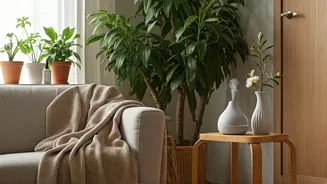
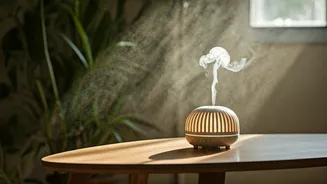
the rain lets up, open windows and doors to encourage cross-ventilation, allowing fresh air to circulate and push stale, moist air out. [19] For enclosed spaces like wardrobes and cabinets, natural moisture absorbers are your best friend. Place bowls of rock salt, activated charcoal, or even dry coffee grounds in corners to absorb excess moisture and neutralise odours. [17, 18] Commercially available silica gel packets are also highly effective, especially for protecting clothes and electronics. [18] For a fragrant touch, consider using essential oil diffusers with scents like lemongrass, eucalyptus, or lavender, which help freshen the air. [6]
Protect Your Precious Wooden Furniture
Wooden furniture is particularly vulnerable during the rainy season, as excess moisture can cause it to swell, warp, and develop fungus. [4] A crucial preventive step is to apply a protective coat of wax or varnish just before the monsoon begins; this creates a barrier against moisture. [5] Throughout the season, regular dusting with a dry cloth is essential. It's also wise to shift furniture a few inches away from damp walls to prevent moisture from seeping in and to improve air circulation around it. [4, 5] Avoid using plastic covers, as they can trap moisture and worsen the problem. [2] For the inside of wooden almirahs and drawers, place camphor or dried neem leaves. [7, 8] Not only do they act as natural moisture absorbers, but they also help repel pests. [7]
Keep Unwanted Pests at Bay
The rainy season is prime time for pests like mosquitoes, cockroaches, ants, and termites to seek shelter indoors. [3, 21] The most effective strategy is prevention. Ensure there is no stagnant water in or around your home—check plant trays, coolers, and balconies—as these are breeding grounds for mosquitoes. [22] Seal any cracks or gaps in walls, windows, and around pipes to block entry points for insects. [13, 22] Maintaining a clean kitchen is vital; wipe up spills immediately, store food in airtight containers, and keep dustbins covered. [13] Cockroaches are drawn to moist environments, so pay extra attention to keeping kitchens and bathrooms dry. [3] Ants often march indoors seeking dry ground and food, so keeping surfaces clean can deter them. [22]
Care for Carpets and Upholstery
Carpets, rugs, and upholstered furniture act like sponges for moisture, dust, and odours during the monsoon. [9] If possible, the best approach is to roll up heavy carpets and store them in a dry place until the season ends. [12] If you choose to keep them, regular vacuuming is a must to prevent the build-up of dust and dampness. [9] For musty-smelling upholstery or mattresses, sprinkling baking soda, leaving it for about 30 minutes, and then vacuuming it up can work wonders to absorb odours and moisture. [15] On the rare sunny day, take the opportunity to air out cushions, pillows, and smaller rugs in the sunlight, which acts as a natural disinfectant. [4, 6]
Let There Be Light and Air
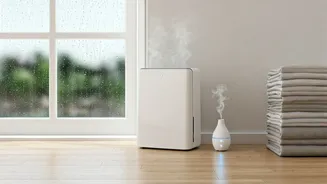
Maximising natural light and airflow is a simple yet powerful way to combat the gloom and dampness of the season. Even on cloudy days, keeping curtains open allows for some light and helps prevent the growth of mould. [6] A well-ventilated home feels fresher and healthier. Use exhaust fans in kitchens and bathrooms to expel moist air, especially after cooking or showering. [20] Running a fan even in a closed room can help circulate the air and prevent it from becoming stagnant. [23] For those in extremely humid areas, investing in a dehumidifier can be a game-changer, significantly reducing indoor moisture levels and inhibiting the growth of mould and mildew. [6, 9]
Embrace Indoor Greens and Natural Scents
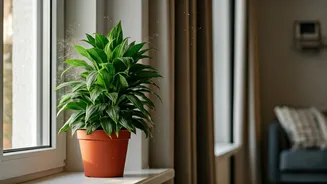
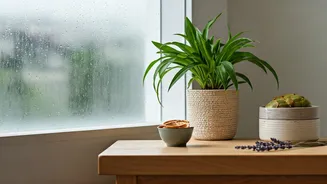
While the world outside is lush and green, bringing some of that life indoors can improve your home's atmosphere. Certain houseplants, such as peace lilies, spider plants, and ferns, are known to absorb moisture from the air, acting as natural, beautiful dehumidifiers. [17, 20] Beyond plants, you can create a pleasant ambient scent by using natural air fresheners. Simmering spices like cinnamon and cloves in a pot of water on the stove or using scented candles and incense (sambrani) can fill your home with a warm, comforting aroma that masks any damp odours. [24]