



Think in Zones, Not Just a Room
The first step to creating harmony in a shared space is to stop seeing it as one open area and start thinking of it in terms of zones. Zoning is a design concept that uses visual cues to create distinct areas for different activities. This doesn't require
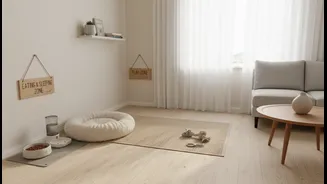
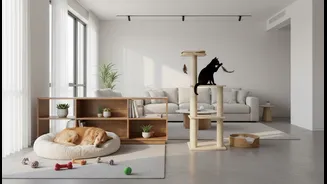
building walls; instead, you can use furniture, rugs, and even color to establish psychological boundaries for your pets. For instance, a specific rug can define the 'play zone,' while a quiet corner with a plush bed becomes the designated 'rest zone.' Placing feeding stations in entirely separate locations is crucial, especially in multi-pet households, to prevent resource guarding and anxiety. By creating predictable areas for sleeping, eating, and playing, you reduce stress and competition, letting each pet know they have a secure space of their own.
Strategic Furniture Placement Is Key
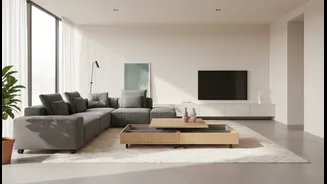
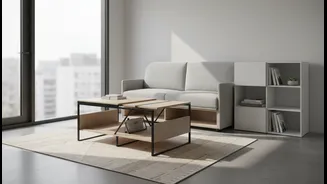
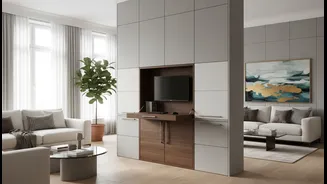
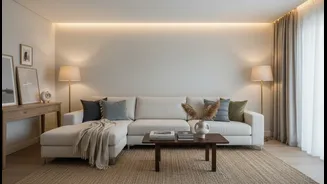
Your existing furniture is your most powerful tool for creating separation. A strategically placed sofa can act as a natural divider, creating a secluded nook behind it perfect for a cat tree or a quiet dog bed. An armchair can cordon off a corner, transforming it into a dedicated resting spot. Bookshelves and console tables can also serve as effective barriers. Consider using them to break up long sightlines in a room, which can help reduce tension between pets. The goal is to create smaller, defined spaces within the larger room. Even something as simple as a decorative pet gate or a stylish room divider can establish clear boundaries without sacrificing the aesthetic of your home. These physical separations give pets a sense of security and personal territory.
Go Vertical: The Small-Space Superpower
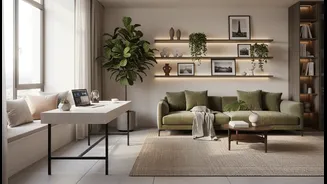
In a home shared with pets, especially cats, vertical space is just as important as floor space. Cats are natural climbers and often feel safer when they can survey their environment from a high vantage point. Installing wall-mounted shelves, perches, or tall, sturdy cat trees can effectively double your pet's territory without taking up valuable floor area. This is particularly vital in homes with both cats and dogs, as it provides felines with a safe escape route and a dog-free zone. You can install shelves that act as a 'superhighway' around the room, connecting different perches and giving your cat a path that's entirely their own. Window perches are another excellent option, offering both height and mental stimulation.
Embrace Multi-Functional Pet Furniture
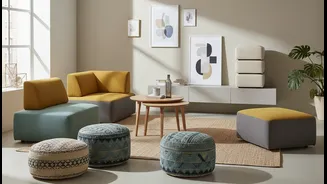
To save space and seamlessly integrate your pet's needs into your decor, look for multi-functional furniture. A growing market of innovative designs offers pieces that serve both humans and animals. Think of an end table that doubles as a stylish pet bed or crate, an ottoman with built-in storage for toys, or a bookshelf that incorporates climbing steps and perches for a cat. Some modern cat trees are even designed to look like contemporary furniture pieces, blending in perfectly with your living room. There are also side tables that discreetly house a litter box or benches that contain a hidden dog bed. These smart solutions ensure your pet's essentials are always accessible without cluttering the room or looking out of place.