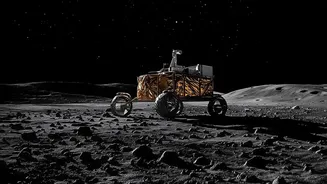

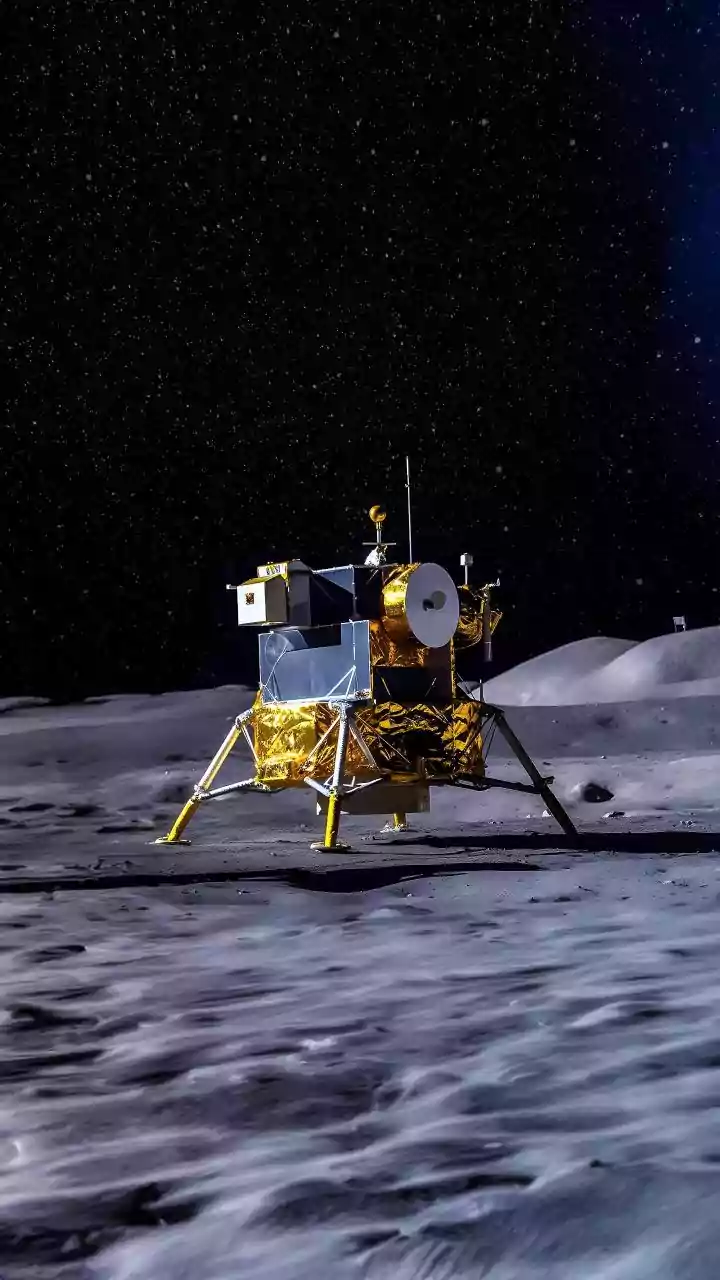
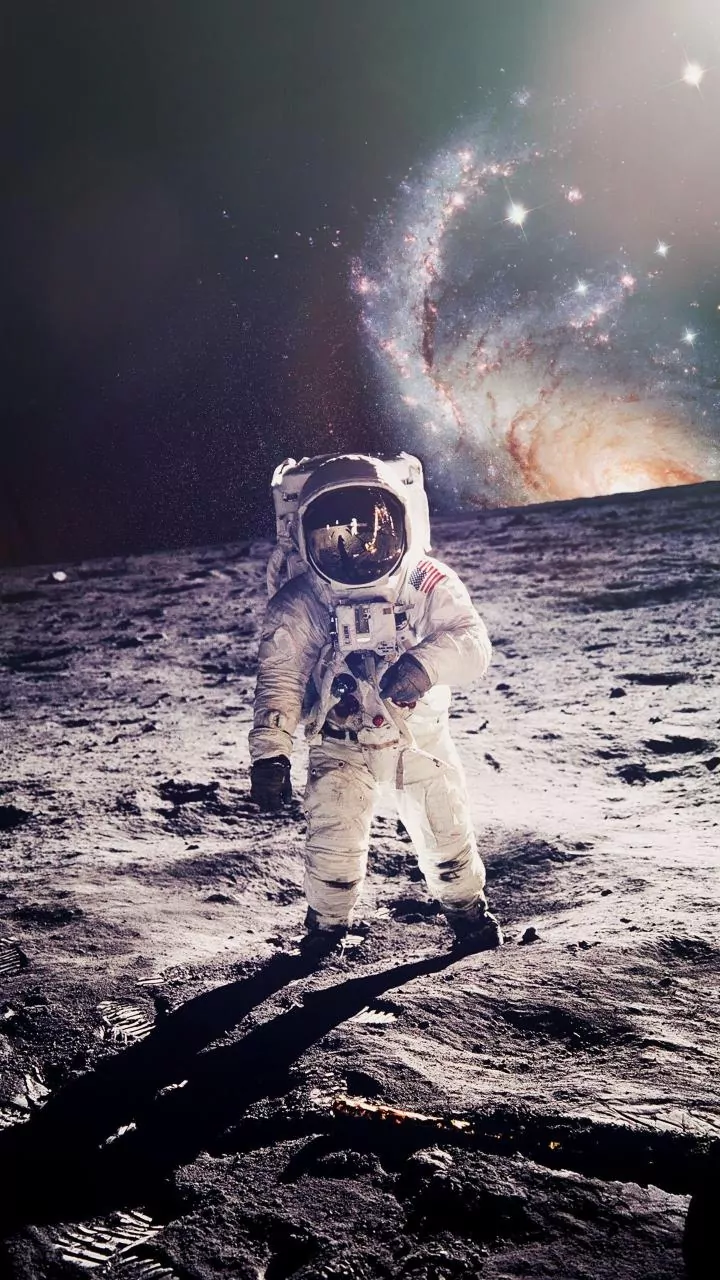
A World of Hazards on the Surface
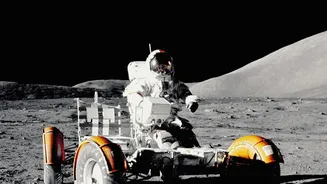
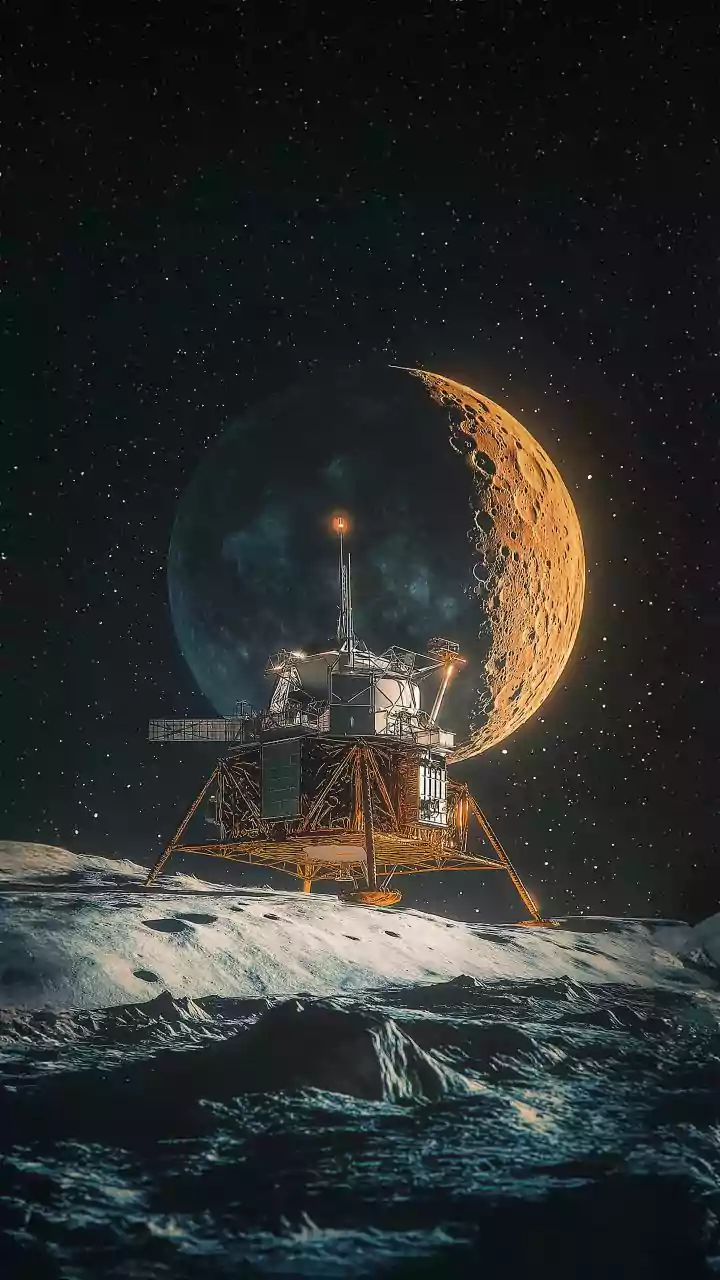
The lunar surface is one of the most hostile environments imaginable. With virtually no atmosphere and no global magnetic field, it offers zero protection from the universe's harsh realities. Future astronauts would be exposed to a constant barrage of galactic
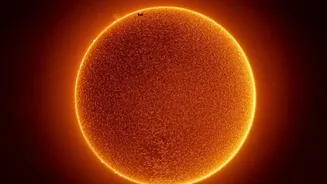
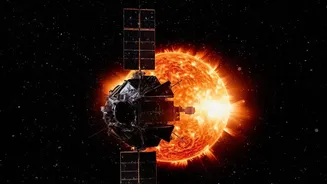
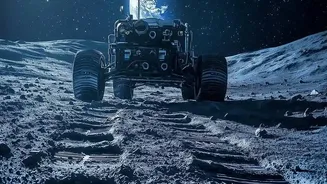
cosmic rays and intense bursts of solar radiation, which can damage DNA and increase cancer risk. The radiation dose on the Moon can be 200 to 1,000 times higher than on Earth. Beyond radiation, the surface is pummeled by micrometeorites traveling at extreme speeds. Temperatures swing wildly from a scorching 127°C in daylight to a frigid -173°C at night. And then there's the lunar dust—fine, sharp, and electrostatically charged particles that can damage equipment and pose health risks if inhaled.
Nature's Unexpected Lunar Shelter
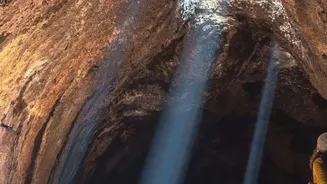
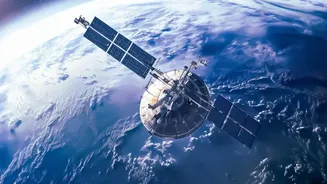
The most promising solution to these dangers lies beneath the lunar surface in the form of lava tubes. These are massive, hollow tunnels that were formed billions of years ago when the Moon was volcanically active. As rivers of molten rock flowed, the outer surface cooled and hardened into a solid crust. The lava inside continued to flow, and once the eruption ceased, it drained away, leaving behind a vast, empty cave-like structure. These tubes can be enormous, with some potentially measuring over a kilometre wide, large enough to house entire cities. We know they exist thanks to observations from orbiters like NASA's Lunar Reconnaissance Orbiter, which have spotted pits on the surface. These pits are believed to be 'skylights'—areas where the roof of a lava tube has collapsed, creating a doorway to the vast network below.
A Shield Against the Cosmos
The primary benefit of these lava tubes is protection. The thick ceiling of solid basaltic rock, potentially 40 meters or more, acts as a natural and highly effective shield. This rock overburden would block the vast majority of harmful cosmic and solar radiation, reducing exposure to levels comparable to what we experience on Earth. A study found that while the surface radiation dose could be 100-400 millisieverts per year, inside a lava tube, this could drop to as low as 1-20 millisieverts per year—a range humans can withstand. This natural shielding also provides complete protection from the constant rain of micrometeorites and larger impact events, eliminating a significant threat to any surface structure.
A Stable Climate in a World of Extremes
Beyond radiation shielding, the caves offer another critical advantage: temperature stability. While the surface experiences temperature swings of hundreds of degrees, the environment inside the lava tubes is remarkably constant. Studies of lunar pits, which act as entrances to these tubes, suggest that in the permanently shadowed areas of these caves, the temperature hovers at a surprisingly comfortable and stable 17°C (around 63°F). This consistency would be a game-changer for habitat design. Instead of needing complex and power-hungry heating and cooling systems to survive the lunar day and night, a base inside a lava tube could rely on the naturally stable environment, saving immense amounts of energy and resources.
The Search for Our Next Home
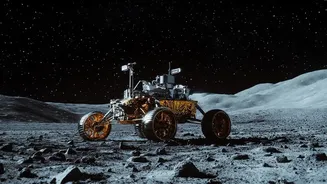
Identifying and exploring these potential lunar homes is a major focus for space agencies worldwide. Using a combination of gravity data and high-resolution imagery, scientists have identified hundreds of potential pit entrances. Now, the challenge is to get inside. Both the European Space Agency (ESA) and NASA are developing concepts for missions to explore these caves. These often involve multi-robot systems, where a lander might deploy a smaller rover that can rappel down into a pit, explore the interior, and create detailed 3D maps. Recent research using radar has provided the first direct evidence of a cave conduit connected to a pit, moving the existence of these tunnels from theory to observed fact. For India, whose ISRO plans a crewed landing by 2040, these natural structures could play a pivotal role in establishing a sustainable long-term presence.