



What Exactly Are Compression Cubes?
At first glance, compression packing cubes look like standard packing cubes: small, fabric, zippered pouches used to separate clothes inside your luggage. The key difference lies in a second, outer zipper. After you fill the cube with clothes and close
the main zipper, you then zip this second, circumferential zipper. This action squeezes the cube, forcing out excess air and reducing the overall volume of the contents. They essentially turn a loose pile of clothing into a dense, compact block that takes up significantly less room.
The Dual Benefits: Space and Sanity
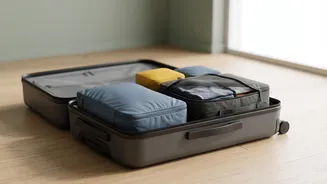
The most obvious advantage is saving space. Compression cubes excel at shrinking bulky items like sweaters, fleece jackets, and hoodies. By removing trapped air, they can reduce the volume of soft garments by a considerable margin, freeing up precious real estate in your suitcase for other essentials or souvenirs. But the benefits extend beyond just compaction. Like regular packing cubes, they bring order to chaos. You can dedicate cubes to specific categories—tops in one, bottoms in another, activewear in a third. This system makes finding a specific item effortless, sparing you from rummaging through your entire suitcase. You can also designate one cube for dirty laundry, keeping it separate from your clean clothes.
How to Use Them for Maximum Efficiency
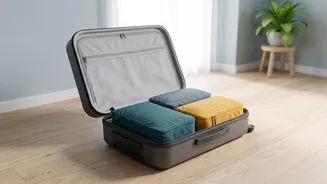
Using compression cubes effectively is simple, but a few techniques yield the best results. Start by sorting your clothes by category. For best results, either fold items flat or roll them tightly before placing them in the cube. Rolling is often preferred as it can help minimize some wrinkling and allows you to see everything at a glance. Fill the cube so it's snug but not overstuffed to the point of straining the main zipper. Once it's closed, slowly and evenly pull the second compression zipper all the way around the cube. You'll visibly see the cube shrink as the air is expelled. When arranging them in your suitcase, think of it like a game of Tetris, fitting the dense blocks together to eliminate empty gaps.
What to Look For When Buying
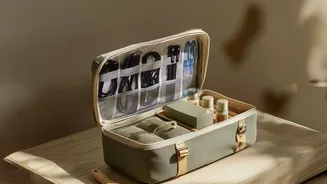
When choosing compression cubes, pay attention to the material and zippers. Look for durable, lightweight fabrics like ripstop nylon, which can withstand the pressure of compression without adding significant weight to your bag. Strong, reliable zippers are non-negotiable, as they are the core mechanism of the cube. Some cubes feature a mesh panel, which allows you to see the contents without opening it, while others are opaque for more privacy. Sets often come in various sizes, which is ideal for creating a modular system that can be adapted to carry-on or checked luggage.
A Few Words of Caution
While incredibly useful, compression cubes are not a magic solution for all packing woes. Their biggest downside is that they can cause significant wrinkling, especially with fabrics like linen or crisp dress shirts. They are best used for casual wear, knitwear, and other items where creases are not a major concern. Another critical point to remember is that compression cubes reduce volume, not weight. It can be tempting to use the extra space to pack more, but this can easily lead to an overweight bag and unexpected airline fees. The goal is to pack smarter and lighter, not just to pack more.