




The Fading Charm of Familiar Peaks
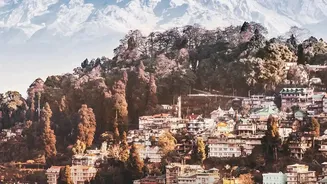
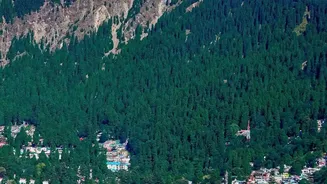
For generations, names like Shimla, Manali, and Mussoorie have been synonymous with summer relief and scenic beauty. Today, they are increasingly becoming cautionary tales of overtourism. The very elements that drew people to these towns—cool air, stunning
landscapes, and a tranquil escape—are now under severe strain. During peak seasons, these destinations are bursting at the seams, with visitor numbers far exceeding their infrastructural capacity. The experience is often defined by long traffic jams, fully booked hotels, overflowing waste bins, and acute water shortages, problems that are systemic and worsening with each tourist season. This isn't just a matter of inconvenience; it's an environmental crisis. Unplanned construction, heavy foot traffic, and pollution are causing soil erosion, disrupting wildlife, and degrading the natural ecosystems that are the primary attraction. What was once a retreat from urban chaos now often mirrors it, leaving many travellers to wonder if the trip was worth the hassle.
A Growing Appetite for Authenticity
The shift away from commercialised hill stations is more than just a reaction to crowds; it reflects a deeper change in traveller priorities. Post-pandemic, there is a rising desire for experiences that feel genuine and restorative. Many are now actively seeking a slower pace, meaningful cultural interactions, and a connection with nature that feels unspoiled. According to a Booking.com report, a vast majority of Indian travellers have expressed intentions to travel more sustainably. This mindset steers them away from destinations where tourism feels transactional and towards places where they can engage with local life. The rise of remote work and 'workations' has also played a part, allowing people to spend longer periods in quieter settings. Instead of a hurried weekend trip to a famous spot, they prefer extended stays in homestays in lesser-known villages, contributing directly to the local economy and forging a stronger sense of place. This quest for authenticity is reshaping India's domestic travel map.
Discovering India's Quieter Corners
As vacationers look beyond the usual suspects, several smaller towns are emerging as havens of peace and beauty. These offbeat destinations offer the charm of the hills without the commercial clutter. For example, Shoja in Himachal Pradesh is a quiet village nestled in the Banjar Valley, perfect for those who want to spend their time walking through dense forests and enjoying mountain views. Similarly, Chitkul, known as the last inhabited village near the Indo-Tibetan border in Himachal, offers breathtaking landscapes and a glimpse into traditional Kinnauri life. In Uttarakhand, places like Munsiyari and Chopta are gaining favour for their raw beauty and access to incredible trekking routes. Further east, Ziro Valley in Arunachal Pradesh captivates with its unique Apatani culture and serene, pine-clad hills. These are not just places on a map; they are invitations to a different kind of travel—one that is slower, quieter, and more personal.
What to Expect from the Road Less Travelled
Choosing an offbeat destination comes with its own set of considerations. While peace and quiet are abundant, the amenities of a major tourist hub are not. Accommodation is more likely to be a cozy homestay or a small, family-run guesthouse rather than a sprawling luxury hotel. Food options will be simpler and centered on local cuisine, offering an authentic taste of the region. The journey itself can be part of the adventure, often involving less-defined roads and limited connectivity. This type of travel requires a more flexible and open-minded approach. It's less about ticking off a list of 'must-see' sights and more about soaking in the atmosphere, interacting with the hosts, and respecting a way of life that has remained insulated from the pressures of mass tourism. For the prepared traveller, these trade-offs are precisely the point, offering a richer and more memorable experience.