






The Science Behind the Slump
That drowsy, unfocused feeling that often follows a meal has a scientific explanation. When you eat, especially a meal rich in carbohydrates, your body breaks it down into glucose, which enters your bloodstream. This causes your blood sugar levels to rise.
In response, your pancreas releases insulin to help move that glucose into your cells for energy. Sometimes, particularly after a large or carb-heavy lunch, this process can be a bit dramatic. The initial spike in blood sugar can be followed by a sharp drop, as insulin does its job a little too well. This resulting crash is what leaves you feeling tired, foggy, and craving a nap. This cycle is often referred to as postprandial somnolence, or more commonly, a food coma.
How a Simple Walk Works Wonders
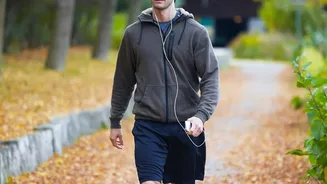
This is where a post-meal walk comes in as a surprisingly powerful tool. When you engage in light physical activity like walking, your muscles need energy. To get it, they start pulling glucose directly from your bloodstream. This process helps to flatten that big post-meal glucose spike, leading to a more stable and gradual rise and fall in blood sugar. By using up some of the circulating glucose, your body doesn't need to release as much insulin, which in turn prevents the subsequent energy-sapping crash. Studies have shown that even a very short walk can have a significant and measurable effect on moderating blood sugar levels. It’s an elegant and simple biological hack: you’re using gentle movement to help your body manage its fuel more efficiently.
The 'When' and 'How' of Your Stroll
Timing and duration are key to maximizing the benefits. Research suggests the most effective window for a post-meal walk is within 60 to 90 minutes after you finish eating, as this is when blood sugar levels are typically at their highest. You don't need to embark on a strenuous hike. Studies have found that a brief, 10-to-15-minute walk at a comfortable pace is highly effective. In fact, some research indicates that short walks of just two to five minutes can start to make a positive difference. The goal is light activity, not a high-intensity workout. A pace where you can still comfortably hold a conversation is perfect. Pushing too hard can actually divert blood away from your digestive system, which is not ideal right after a meal.
More Than Just Blood Sugar
The benefits of a post-lunch stroll extend far beyond preventing an energy crash. This simple habit also aids digestion by stimulating the stomach and intestines, helping food move through your system more smoothly and potentially reducing symptoms like bloating and gas. Regular walking is a cornerstone of cardiovascular health, helping to lower blood pressure and improve circulation over time. It’s also a boon for your mind. Stepping away from your desk, getting some fresh air, and moving your body can reduce stress by lowering cortisol levels, improve your mood, and boost mental clarity for a more productive afternoon. Some people even find that a walk after their evening meal helps improve their sleep quality.
Making It a Daily Habit
Incorporating this into your daily routine doesn't have to be complicated. If you work in an office, suggest a walking meeting or simply stroll around the building or campus. If you're at home, a quick walk around your neighbourhood block is perfect. The key is to make it easy and accessible. Keep a pair of comfortable walking shoes at your workplace to remove any barriers. You can set an alarm on your phone as a reminder. Even if you can't get outside, walking around your office floor for a few minutes is better than staying seated. The goal is consistency over intensity. Think of it not as exercise, but as a natural part of your post-meal ritual, like having a glass of water. Start with just five minutes and build from there.