
The Monsoon's Treacherous Beauty
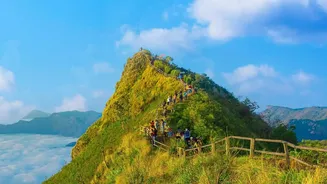
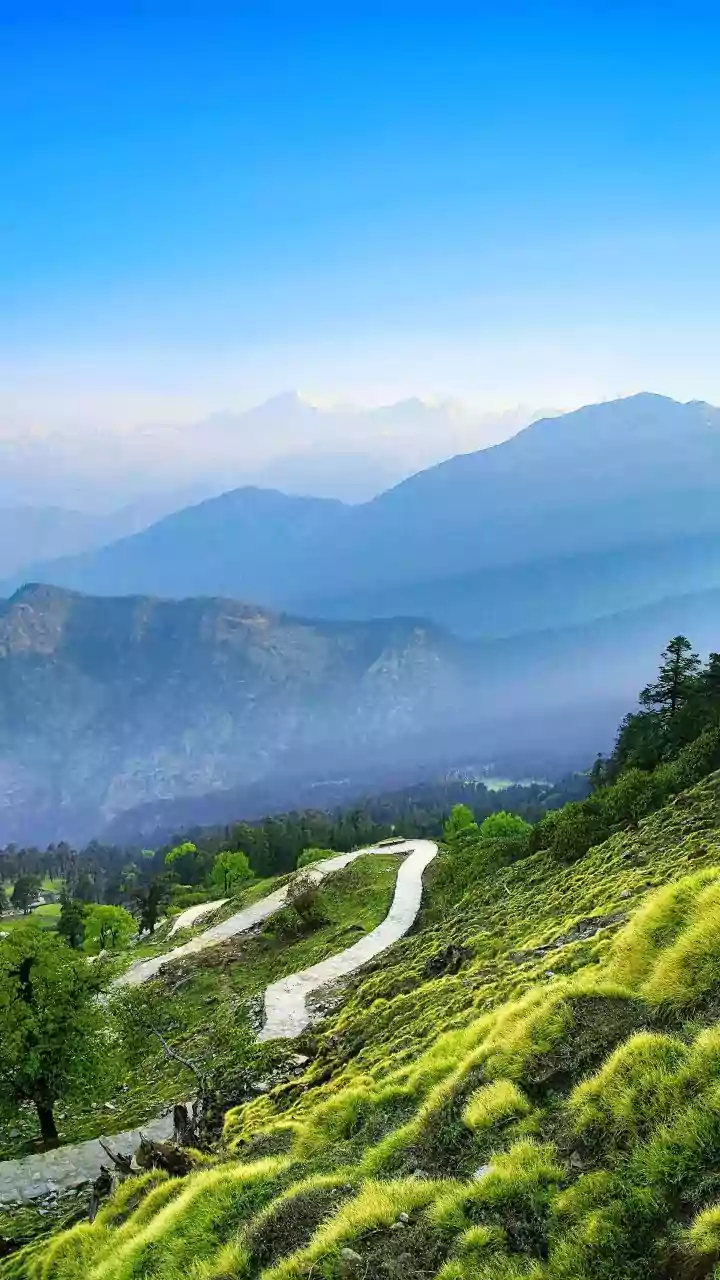
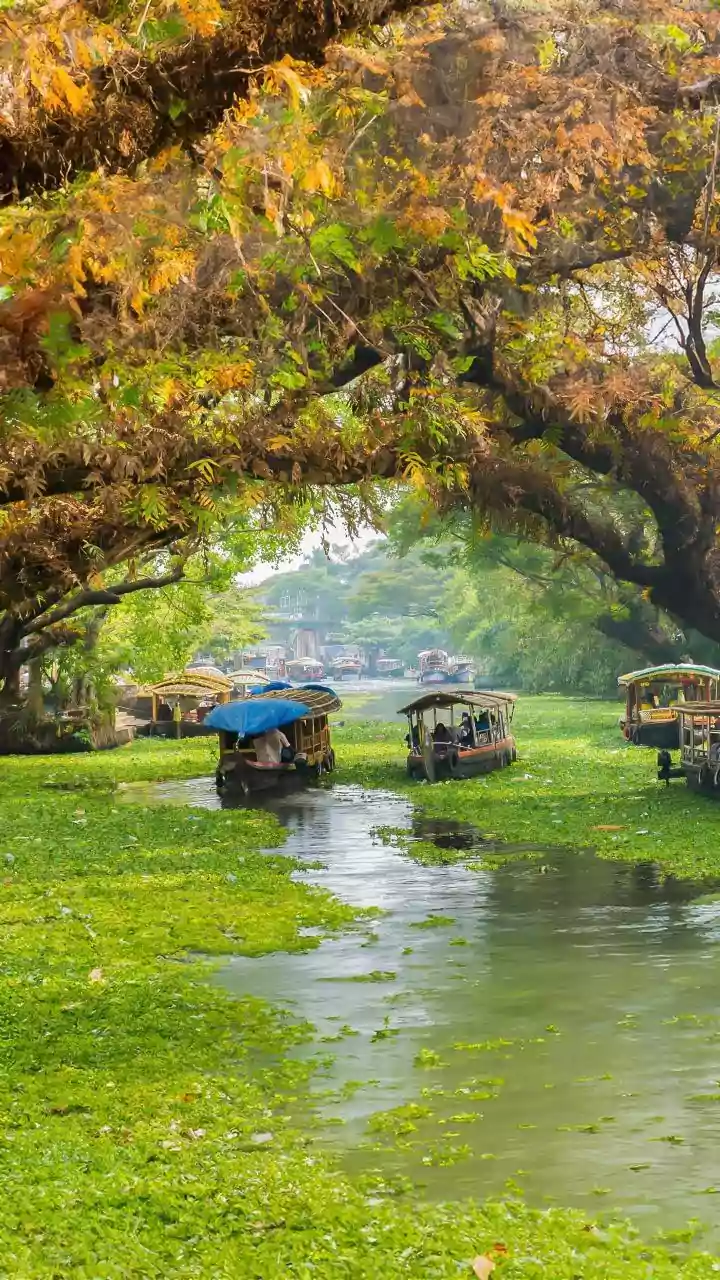
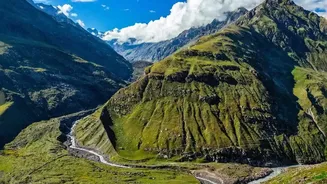
Trekking in Uttarakhand during the monsoon is a world away from other seasons. The landscape is a vibrant, almost surreal green, and waterfalls cascade down every cliff face. However, this same rain that fuels the beauty also creates significant hazards.
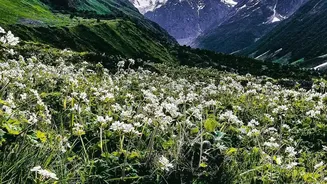
August is the peak of the monsoon, a period known for its challenges. Trails become extremely slippery, small streams can swell into dangerous crossings after a downpour, and the risk of landslides is at its highest. Recent reports from early August show that heavy rainfall is already disrupting routes in areas like Rudraprayag. This isn't to say you cannot trek, but it demands a higher level of respect and preparation. Some popular high-altitude treks are simply not recommended at this time, while others like the Valley of Flowers are more manageable as they are at their peak bloom and designed for monsoon visitors.
Know Before You Go: Route and Weather Checks
The most critical step before you even pack your bags is to research your route. Weather in the Himalayas is notoriously unpredictable and can change in minutes, shifting from bright sun to dense fog and heavy rain. Authorities often issue advisories and may prohibit trekking on certain routes if conditions are deemed unsafe. For example, the District Magistrate in the Rudraprayag region has recently banned trekking on some paths due to weather. Always check official sources like the India Meteorological Department (IMD) and Uttarakhand's disaster portal for the latest forecasts and warnings. Road access to trailheads is another major concern. Landslides can block approach roads for days, leaving trekkers stranded. Having a flexible itinerary with buffer days is not just a suggestion; it is a necessity.
The Altitude Factor: Acclimatize or Suffer
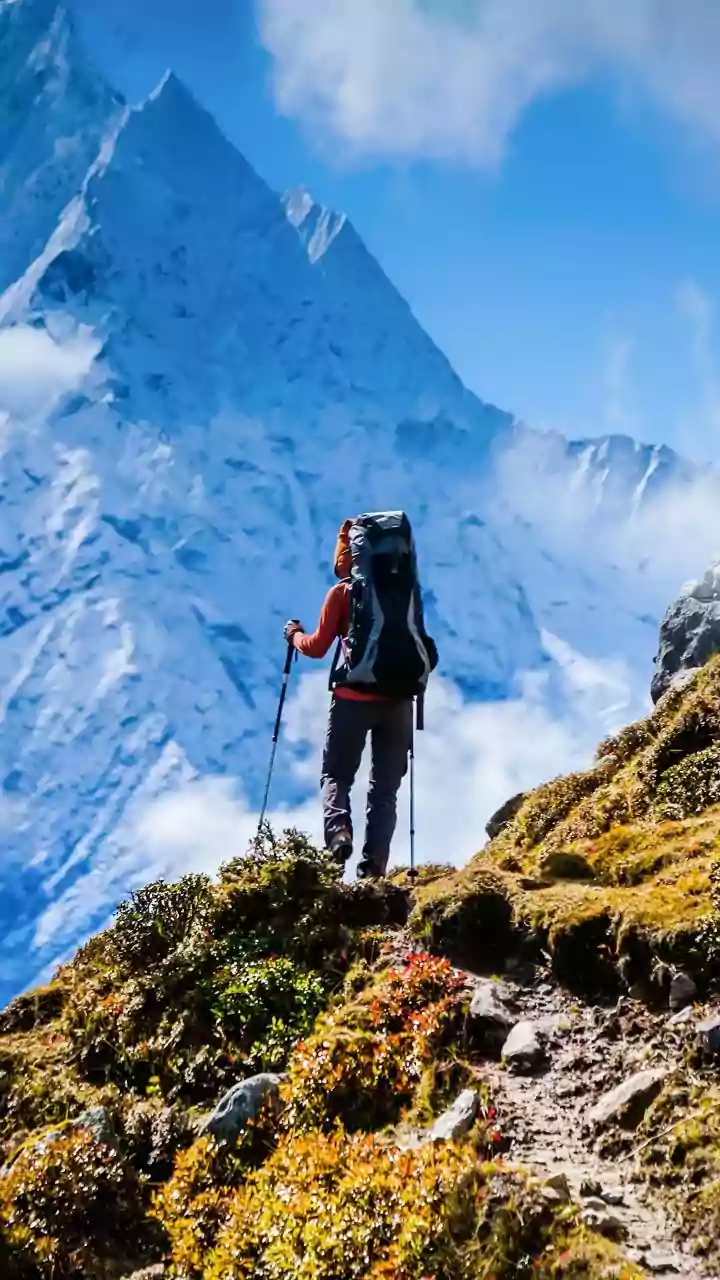
Any trek that takes you above 2,500 metres (around 8,000 feet) comes with the risk of Acute Mountain Sickness (AMS). Its symptoms can resemble a bad hangover: headache, nausea, dizziness, and fatigue. These symptoms typically appear within a few hours of reaching a new altitude. Ignoring them and continuing to ascend can lead to life-threatening conditions. The only reliable cure for AMS is to descend to a lower altitude. Prevention is key. Plan a gradual ascent, allowing your body to adapt. A common guideline is not to increase your sleeping altitude by more than 1,000 feet per night once you are above 10,000 feet. Proper hydration and avoiding overexertion are also crucial. For those particularly prone to it, consulting a doctor about preventative medication like Acetazolamide might be wise.
Gearing Up for a Wet and Wild Adventure
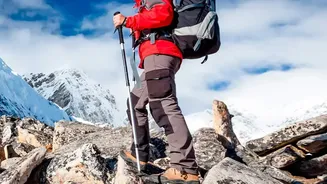
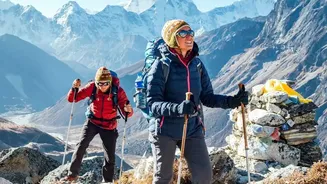
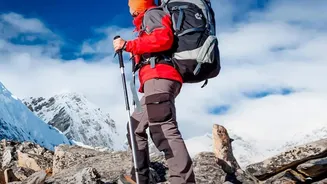
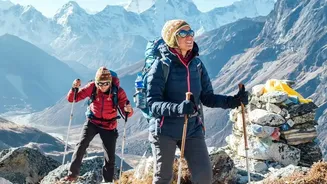
Your gear is your first line of defense against the elements. For a monsoon trek, waterproof everything is the mantra. This includes a high-quality rain jacket or a poncho, which offers better ventilation, and a waterproof cover for your rucksack. Sturdy, waterproof trekking shoes with excellent grip are non-negotiable for navigating slippery, muddy trails. Pack quick-drying clothes and avoid cotton, which stays wet and can lead to hypothermia. Multiple pairs of socks, including a woolen pair for camp, are essential. Given the terrain, trekking poles provide crucial stability on slippery ascents and descents, reducing the strain on your knees. Finally, always carry a comprehensive first-aid kit, a headlamp, and a power bank, as you can't rely on network connectivity in remote areas.
Your Best Safety Asset: A Local Guide
While solo trekking has its allure, the monsoon season in the high Himalayas is not the time for it, especially for those with limited experience. Hiring a certified local guide is one of the most important safety measures you can take. Local guides possess invaluable, real-time knowledge of the terrain. They know which paths are safe after recent rains, which streams are likely to swell, and how to read the subtle signs of changing weather. They are also your first responders in an emergency. The Uttarakhand government is in the process of implementing a formal policy to regulate trekking, which includes mandatory registration for agencies and certification for guides to improve safety standards. Until then, choose your trekking agency wisely based on their reputation and experience.