

The All-Too-Common Mistake
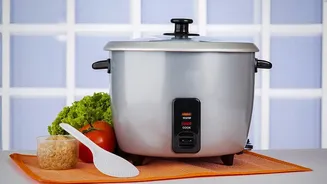
The moment the timer goes off or the rice cooker clicks, the temptation is to grab a spoon, lift the lid, and immediately start fluffing. It feels like the right thing to do—releasing that pent-up steam and separating the grains. However, this is precisely
where many of us go wrong. Stirring rice when it's just finished cooking is a recipe for disappointment. The grains are at their most fragile, swollen with hot water and steam. Agitating them at this point can easily break them, releasing excess starch and creating a gummy, mashed texture instead of the light, distinct grains you were hoping for. You are essentially undoing all the careful work of the cooking process in a few impatient seconds.
The Science of a Good Rest
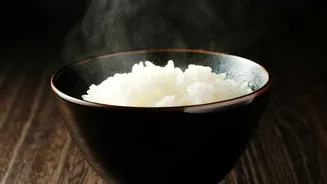
Letting cooked rice rest, covered and off the heat, for 5 to 10 minutes is a non-negotiable step for achieving a perfect texture. This waiting period isn't passive; a lot is happening inside that pot. Firstly, the process allows for crucial moisture redistribution. The rice at the bottom of the pot is often wetter than the rice at the top. Resting allows this moisture to even out, migrating from overly moist areas to drier ones, ensuring every grain has a consistent and pleasant firmness. Secondly, the starches within the rice need time to set, a process known as gelatinization. The residual heat continues to gently steam the rice, allowing the starches to fully set their structure. This 'locks in' the texture, making the grains more resilient and less prone to breaking when you eventually fluff them.
How to Rest Rice Perfectly
The technique is simple. Once your rice has absorbed the water and is cooked, remove it from the heat source and leave the lid on. Don't peek. Let it stand undisturbed for at least 5 minutes, though 10 is often cited as the ideal duration for standard long-grain varieties like basmati or jasmine. For larger batches, you might even extend this rest to 20 or 30 minutes to ensure the heat and moisture have fully equalized. A popular trick to enhance the process involves placing a clean, folded dish towel between the pot and the lid. The towel absorbs excess condensation that might otherwise drip back onto the rice, preventing it from becoming soggy while it rests.
The Gentle Art of the Fluff
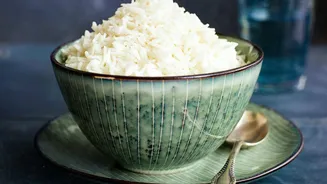
Once the resting period is over, it's time to fluff. But your choice of utensil matters immensely. A spoon, with its broad, curved surface, is likely to mash and compact the delicate grains. The best tool for the job is a fork or a pair of chopsticks. Use the tines of the fork to gently lift and separate the grains, moving from the outside of the pot toward the center. The goal is not to stir or mix, but to gently detangle, allowing the last bit of trapped steam to escape and ensuring the grains remain whole and individual. This gentle action preserves the structure that was so carefully set during the resting phase, resulting in that coveted light and airy texture.
Bonus: The Cooled Rice Benefit
While resting is crucial for immediate texture, letting rice cool completely—especially in the refrigerator for 12-24 hours—offers additional benefits. This cooling process, known as retrogradation, changes some of the digestible starches into resistant starches. Resistant starch acts more like a dietary fibre, leading to a lower glycemic impact, meaning it causes a gentler spike in blood sugar compared to freshly cooked rice. It also serves as a prebiotic, feeding beneficial gut bacteria. This is why day-old rice is not only the superior choice for making fried rice (as it's drier and less sticky), but it also comes with added health perks.