



Escape the Crowds
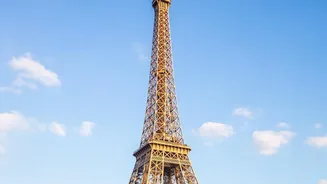
France is the world's most visited country, and in July, it feels like it. Popular destinations like Paris, the French Riviera, and Mont Saint-Michel can be overwhelmingly busy, with long lines for museums and attractions. In contrast, the shoulder seasons—typically
April to June and September to October—see significantly fewer tourists. This allows for a more relaxed pace, where you can wander through charming village streets without being shoulder-to-shoulder with other visitors and find a spot at a popular café with ease. The entire experience feels calmer and more personal, allowing you to connect with your surroundings rather than just navigating a sea of people.
Enjoy Significant Cost Savings
One of the most compelling reasons to avoid the July peak is the considerable financial benefit. Flights and accommodations can be 30-50% more expensive in the summer compared to the shoulder months. A round-trip flight from the US that might cost $900–$1,400 in July could be found for $550–$850 in spring or autumn. Hotel rates in popular areas like Paris and the Riviera see sharp increases, with some rooms costing 25-40% more. These savings extend to car rentals and even some guided tours, freeing up your budget for more memorable experiences like a cooking class or a special meal.
More Pleasant Weather
While July promises sunshine, it often delivers intense heat, with temperatures in many regions, especially the south, regularly exceeding 30°C. This can make daytime sightseeing exhausting and uncomfortable. The shoulder seasons, however, offer a sweet spot of mild and pleasant weather. Spring temperatures in Paris often range from 15-20°C, perfect for long walks, while September on the Côte d'Azur still offers warm beach days and sea temperatures without the oppressive heat of mid-summer. You'll spend less time seeking air conditioning and more time comfortably enjoying parks, gardens, and outdoor terraces.
A More Authentic Experience
When the summer crowds descend, many locals in tourist-heavy areas either leave for their own holidays or are too busy to engage. Travelling in the shoulder seasons often means you'll encounter a more authentic version of French life. Locals are back to their daily routines, restaurants are filled with residents, and you have a better chance of spontaneous, meaningful interactions. You can explore local markets, discover hidden gems, and experience a destination as its residents do, rather than through a purely tourist-focused lens.
The Beauty of the Seasons
Beyond the practical benefits, spring and autumn offer their own unique and compelling beauty. Spring sees the country burst into bloom, from the cherry blossoms in Paris to the wildflower-filled countryside of Provence. It's an ideal time for visiting France's famous gardens. Autumn, meanwhile, brings the grape and olive harvests, offering incredible food and wine experiences, especially in regions like Bordeaux, Burgundy, and Normandy. The landscape transforms with golden foliage, creating a stunning backdrop for exploring vineyards and historic towns. These seasonal events provide a reason to visit that summer simply can't match.