
More Than Just a Sidekick
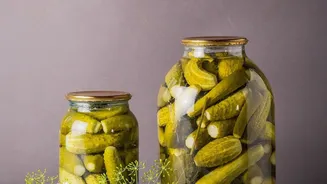
In most Indian households, pickles are a fundamental part of the meal, a flavour explosion designed to activate the taste buds and add depth to any dish. It's a culinary tradition born from the necessity of preserving seasonal fruits and vegetables for
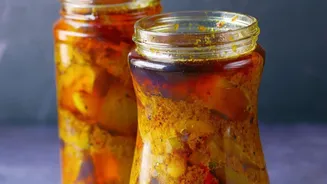
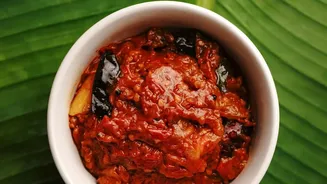
the entire year. This practice has resulted in an incredible diversity of pickle varieties across the country, each shaped by local climate, agriculture, and culture. From the sun-dried mangoes of the north to the fiery, fermented Avakaya of Andhra Pradesh, every jar tells a story of its origin. This rich heritage, once confined to the family dining table, is now being explored by chefs and food lovers in exciting new ways.
From Grandma's Jar to the Gourmet Plate
The complex, concentrated flavours of pickles are a chef's dream. The evolution of 'achari' flavours has seen them move beyond being a mere condiment to becoming a core component in new dishes. Creative cooks are using pickles and their flavourful oils as marinades for paneer and chicken tikka, infusing a tangy depth that was previously achieved with a long list of individual spices. Pickle brine is being whisked into unique salad dressings, while finely chopped pickles are being blended with yogurt or cream cheese to create instant, flavour-packed dips. Some chefs are even stirring a spoonful of spicy pickle into dal tadka or brushing naan with garlic pickle oil before baking, adding an unexpected twist to familiar classics. This trend shows a shift from viewing pickles as an accompaniment to recognising them as a versatile ingredient in their own right.
Spotlight on Regional Stars
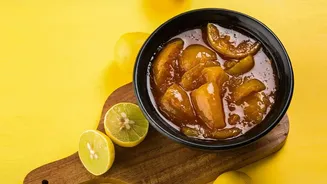
While mango and lime pickles are universally loved, this new trend is shining a light on lesser-known regional gems. In Rajasthan, the Ker Sangri pickle, made from desert beans and berries, offers a unique tangy and slightly bitter profile. From the Northeast comes the crunchy and earthy bamboo shoot pickle, a staple in Sikkimese cuisine where it is known as Mesu. Down south, Andhra Pradesh's Gongura pachadi, made from tangy sorrel leaves, provides a sour kick, while Kerala's cuisine features distinctive lemon and seafood pickles. In Gujarat, the sweet and spicy grated mango pickle called Chhundo is a classic, but you might also find a unique Chana Methi achar made from chickpeas and fenugreek. These diverse flavours are giving chefs a wider palette to innovate with.
A Taste of Nostalgia and Novelty
So, why is this happening now? Part of the appeal is a collective turn towards nostalgia and a deeper appreciation for India's vast culinary heritage. As diners become more adventurous, there's a growing interest in hyper-local ingredients and traditional techniques like fermentation. Chefs are looking inward for inspiration, realizing that the complex, umami-rich flavours they seek can be found in a humble jar of homemade pickle. Furthermore, as Indian food continues to gain global recognition, there's a desire to present traditional flavours in contemporary, innovative formats that surprise and delight a new generation of food lovers. It's a celebration of roots, but with a modern, creative twist that feels both familiar and refreshingly new.