






The End of the Paper Trail
For decades, international travel has been synonymous with a folder full of documents: paper visas, printed tickets, and landing cards. The United Kingdom, a top destination for Indian tourists, students, and professionals, is now dismantling this paper-based
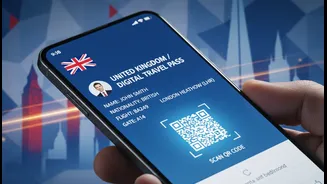
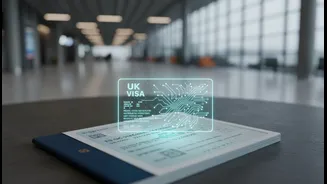
system in favour of a fully digital border. The process began rolling out in 2023 and is being fully enforced from 2026, meaning your smartphone and email are now as essential as your passport. This shift involves replacing physical visa stickers and permits with digital records, all linked electronically to your passport. The goal is to create a more streamlined, secure, and modern immigration process for the millions who visit each year.
The New Digital Handshake: ETA vs. eVisa
At the heart of this new system are two key concepts: the Electronic Travel Authorisation (ETA) and the eVisa. The ETA is a digital permission to travel required for visitors who previously did not need a visa for short stays, such as citizens from the US, Canada, Australia, and European countries. It is not a visa but a pre-travel clearance. For Indian travellers, this is where a crucial distinction must be made. Since India is not on the UK's list of visa-exempt countries, Indian passport holders are NOT eligible for the ETA scheme. Instead, Indian nationals must continue to apply for a standard UK visa, which is now issued as an eVisa. This means that while the application process remains separate, the final permission to travel is digital for everyone.
What the eVisa Means for Indian Travellers
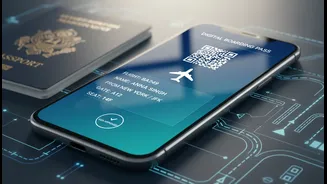
The biggest change for Indian travellers is that the traditional visa sticker, or vignette, placed in your passport is being phased out. Instead, once your visa is approved, you will receive a digital confirmation and your status will be accessible online through a UK Visas and Immigration (UKVI) account. This eVisa is electronically linked to your passport. While you still need to provide biometric information (fingerprints and a photo) at a visa application centre in India, you will no longer have to leave your passport with them during the processing period. This makes the process more convenient, but it also places a greater responsibility on the traveller. You must ensure that the passport details in your UKVI account are always current and exactly match the passport you are travelling with.
Your Pre-Travel Digital Checklist
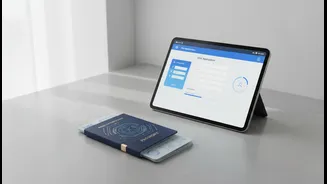
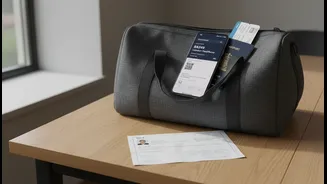
Before booking your flight, the first step is still to apply for the correct UK visa well in advance through the official government website, GOV.UK. Once your eVisa is granted, it's vital to create and manage your UKVI account. Before you travel, double-check that your eVisa is active and linked to the correct passport. Airlines are now required to digitally verify that every passenger has a valid permission to travel before they can even issue a boarding pass. This “no permission, no travel” policy means that a mismatch between your passport and your digital record could lead to being denied boarding at your departure airport in India. Always carry a digital or printed copy of your visa confirmation for your own records, even though the primary check will be electronic.
A Smoother Arrival: The Rise of eGates
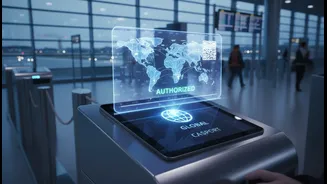
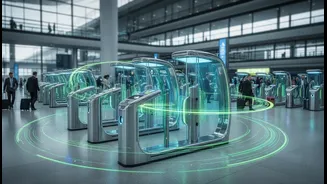
The digital transformation continues upon arrival in the UK. Many major airports, including Heathrow, Gatwick, and Manchester, are equipped with automated ePassport gates (eGates). These gates use facial recognition to compare your face to the photo in your passport's biometric chip, allowing for a quicker passage through immigration control without speaking to a Border Force officer. While previously limited, access to these gates is expanding. As the entire border becomes more digitised, your eVisa and passport information will be seamlessly integrated, helping to speed up the process for eligible travellers. For families, the age limit for children using eGates has also been lowered, making the arrival process less stressful.