








The Next Phase of Automation
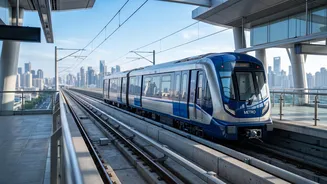
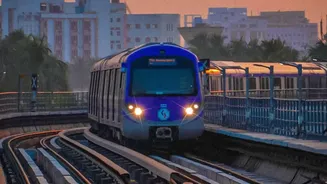
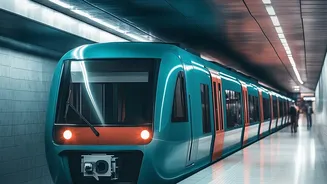
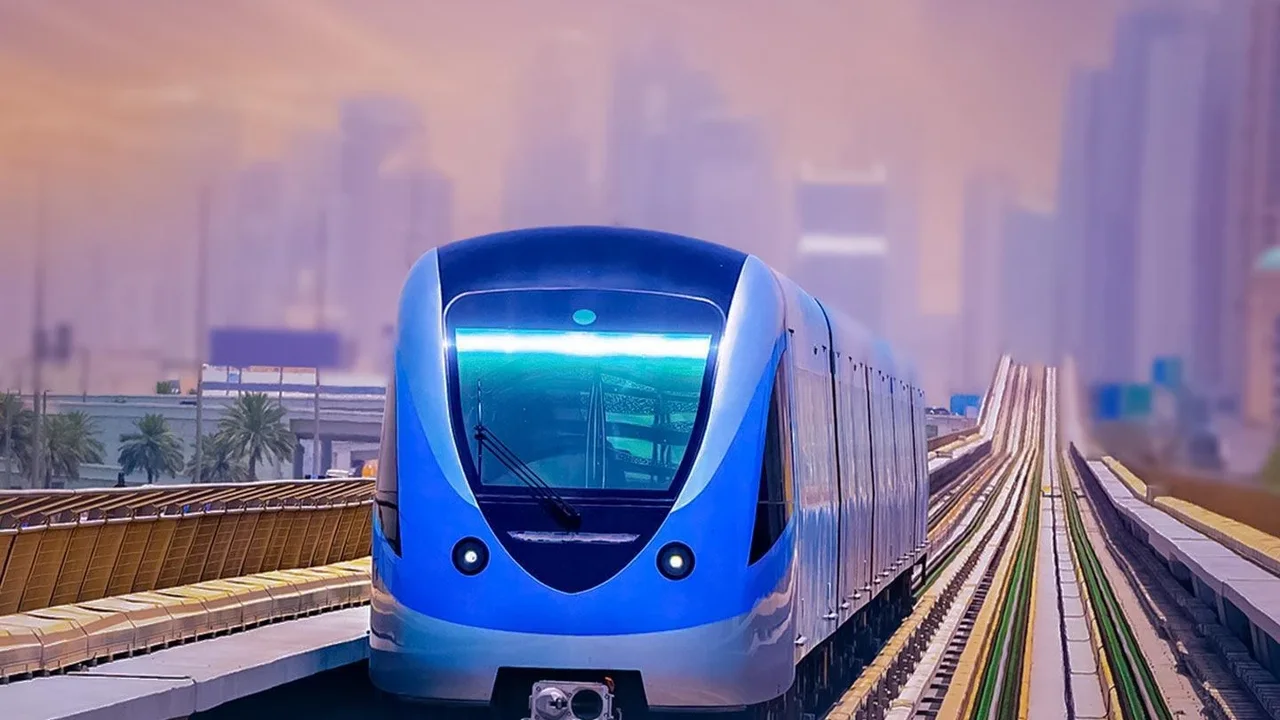
The Delhi Metro Rail Corporation (DMRC) is significantly expanding its Unattended Train Operation (UTO) network, currently operational on the Magenta Line and Pink Line. This expansion is a key feature of the ongoing Phase IV project, which will see new
corridors built with driverless technology integrated from the outset. Among the new lines set to be fully automated is the Aerocity-Tughlakabad corridor, a crucial link that will connect the southern parts of the city with the airport line. Furthermore, extensions to the existing Pink and Magenta lines are also part of this ambitious push, aiming to create a seamless, fully automated network across a larger section of the National Capital Region. This move places the Delhi Metro among a select group of global metro systems with extensive driverless operations, signaling a major upgrade in the city’s public transport infrastructure.
A New Ridership Record
The success and public acceptance of this technology are reflected in the latest ridership figures. The combined daily passenger count on the fully automated Pink and Magenta lines recently surpassed the one million mark for the first time. This is not just a number; it’s a powerful vote of confidence from the city’s commuters. The record demonstrates that the system can handle immense passenger loads with high efficiency and reliability. For a city as populous as Delhi, the ability to move over a million people daily on just two automated lines underscores the technology's capacity and its importance in making daily travel smoother for a significant portion of the population. This milestone validates DMRC's investment in automation and sets a positive precedent for future expansions across the network.
How Do These Trains Actually Work?
The term 'driverless' might sound unsettling to some, but the technology behind it is remarkably safe and precise. The Delhi Metro uses the highest grade of automation, known as GoA4 or UTO. In this system, trains are controlled entirely from a central Operations Control Centre (OCC). Highly skilled engineers monitor the entire network in real-time, managing everything from train speeds and stopping positions to door operations. The trains and stations are equipped with an array of safety mechanisms. Platform Screen Doors (PSDs) are a key feature, preventing accidental falls onto the tracks and only opening when the train is perfectly aligned. Additionally, advanced sensors on the trains can detect obstacles on the tracks and trigger an emergency stop automatically. With multiple layers of redundancy, the system is designed to be fail-safe, often proving to be even more reliable than human-operated systems.
Real Benefits for Daily Commuters
Beyond the technological marvel, driverless operations offer tangible benefits to the millions who rely on the metro every day. Firstly, it allows for higher frequency of trains. Since the system is automated, trains can run closer together safely, reducing waiting times on platforms, especially during peak hours. This means less crowding and a more pleasant travel experience. Secondly, the automation ensures smoother journeys. The acceleration and braking are computer-controlled, eliminating the jerks often associated with manual operation. This leads to a more comfortable ride. Finally, the system’s high reliability translates to fewer delays caused by human error, ensuring greater punctuality. In essence, the technology works in the background to make every commuter’s journey a little bit faster, smoother, and more predictable.
India’s Blueprint for Urban Mobility
Delhi Metro’s pioneering work in driverless technology is not just a win for the capital; it serves as a blueprint for other major Indian cities grappling with urban congestion. As cities like Mumbai, Bengaluru, and Chennai expand their own metro networks, they are looking to Delhi’s success with UTO. The lessons learned and the operational expertise gained by the DMRC are invaluable for the future of mass rapid transit across the country. This technological shift is a core component of building 'smart cities'—urban centres that are not just technologically advanced but also sustainable, efficient, and liveable. By successfully implementing and expanding one's largest driverless metro networks, Delhi is paving the way for a new era of public transportation in India.