






A Tale of Two Showers
October 2026 presents a fascinating contrast for meteor hunters. First up are the Draconids, a gentle, slow-moving shower that offers a perfect opportunity for beginners. Later in the month, the famous Orionids arrive, providing a faster and more dramatic
display. However, the moon's phase will treat each shower very differently, making this a month where timing and strategy are key to a successful night of stargazing. Knowing when and where to look will be the difference between seeing a few faint streaks and witnessing a truly memorable cosmic event.
The Draconids: An Easy, Moon-Free Start
The first shower of the month, the Draconids, peaks on the evening of October 8th and into the early hours of October 9th. This is a quirky shower, best viewed in the evening shortly after darkness falls, rather than the more common pre-dawn hours. The Draconids are known for being slow-moving, which can make them easier to spot as they drift across the sky. While typically a modest shower producing around 5-10 meteors per hour, the great news for 2026 is that viewing conditions are nearly perfect. The peak arrives just before the new moon of October 10, meaning the sky will be dark and free of moonlight, offering the best possible chance to see even the fainter meteors. Look towards the constellation Draco the Dragon in the northern sky, though the meteors can appear anywhere.
The Orionids: Halley's Comet Legacy
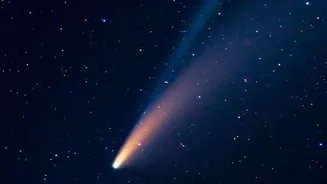
The main event of October is the Orionid meteor shower, which peaks on the night of October 21-22. These meteors are particles of debris left behind by the famous Halley's Comet. They are known for being incredibly fast and can be bright, sometimes leaving persistent trails that linger for a moment after the meteor has vanished. Under ideal conditions, the Orionids can produce a reliable 15 to 25 meteors per hour. The shower's radiant—the point from which they appear to originate—is in the constellation Orion, one of the most recognizable patterns in the night sky, making it a spectacular backdrop for the show.
The Moonlight Problem for the Orionids
Here is where the headline's challenge comes into play. Unlike the Draconids, the Orionid peak in 2026 faces a significant obstacle: a bright, waxing gibbous moon. With the full moon occurring just a few days later on October 26, the sky will be brightly illuminated for most of the night. This intense natural light pollution will wash out all but the very brightest meteors, significantly reducing the number you can see. For most of the evening and past midnight, the lunar glare will make spotting the swift Orionids very difficult. But this doesn't mean you should give up; it just means you need a better strategy.
The Solution: Wait for Moonset
The secret to watching the Orionids in 2026 is patience. On the peak morning of October 22, the bright moon will set around 3 a.m. local time. This opens a precious window of true darkness for the two hours before dawn. This is your prime viewing time. Aim to be settled in your viewing spot by 3 a.m. and watch through until twilight begins to brighten the sky. During this moon-free period, your chances of seeing the full glory of the Orionids increase dramatically. If you're out while the moon is still up, try to position yourself in the shadow of a building or a hill, keeping the moon out of your direct line of sight to help your eyes stay adapted to the dark.
Tips For the Best Viewing Experience
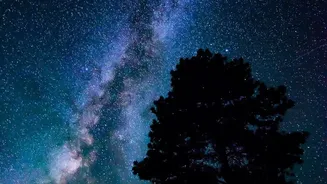
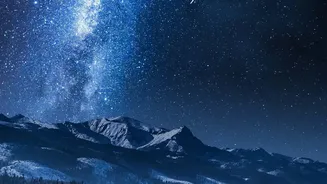
Whether you're watching the Draconids or the Orionids, a few universal rules apply. First, escape the city. Light pollution from urban areas drastically reduces what you can see. Head to a dark location in the countryside, like the outskirts of Coorg, high-altitude spots in Ladakh, or the deserts of Rajasthan for the best views. Second, give your eyes time to adjust. It takes about 20-30 minutes for your eyes to fully adapt to the darkness, so avoid looking at your phone screen. Finally, get comfortable. Use a reclining chair or a blanket on the ground so you can look up without straining your neck. Dress in warm layers, as even on a clear night, the temperatures can drop significantly.