






From Packets to Plates
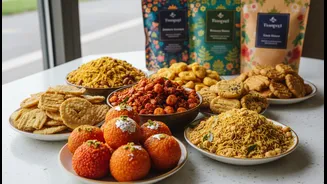
The business of exporting packaged Indian snacks to the world has been a quiet success story for years. Brands like Haldiram's, Bikanervala, and Bikaji built a loyal following, primarily within the Indian diaspora, by offering familiar flavours far from
home. But in an increasingly crowded global market, simply being on the shelf is no longer enough. The new frontier isn't about selling more packets; it's about creating immersive brand experiences. This has led to a strategic pivot from being product manufacturers to becoming restaurateurs and cultural ambassadors. By opening full-service dining outlets in major global cities, these companies are elevating their brands beyond the snack aisle, turning brand recognition into a deeper, more engaging relationship.
The London Experiment
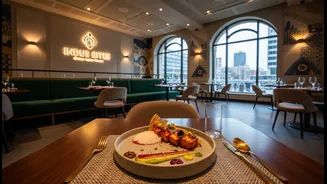
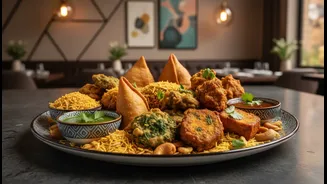
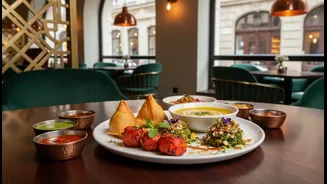
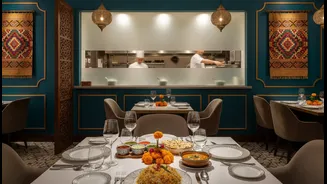
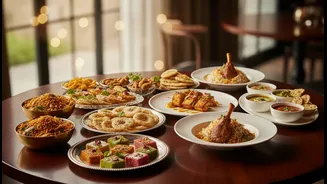
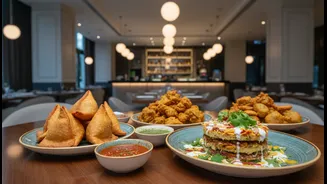
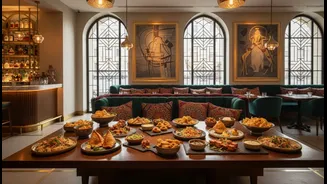
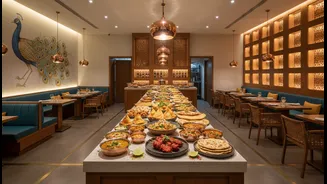
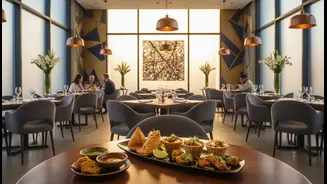
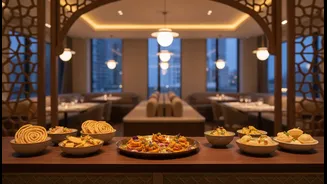
The recent launch of Haldiram's first full-service UK restaurant in London's Leicester Square is a prime example of this trend. In June 2026, the 120-seat establishment opened to long queues, attracting not just the local Indian community but curious tourists and Londoners as well. The menu goes far beyond the brand's packaged offerings, featuring beloved street food and comfort meals like chole bhature, pav bhaji, and raj kachori. This isn't a quick-service counter; it's a premium casual dining destination designed for a leisurely meal. Bikanervala has also established a presence in London, opening outlets in areas with large South Asian communities and offering a comprehensive dining menu alongside its famous sweets. These restaurants serve as physical proof of the brand's quality and authenticity on a grander scale.
A Recipe for Global Success
The strategy is multi-pronged. First, it taps into the powerful nostalgia of the Indian diaspora. For many Indians living abroad, these restaurants are more than just places to eat; they are community hubs that offer a taste of home. Second, they act as a gateway for new, non-Indian audiences, introducing them to the vast diversity of Indian cuisine beyond the standard curry house fare. Offering everything from chaat to thalis, these establishments showcase a culinary range that packaged snacks cannot convey. Finally, this model is a powerful form of brand building. A successful restaurant in a city like London or Dubai generates enormous positive buzz and solidifies the brand's reputation for quality and authenticity, creating a halo effect that boosts sales of their packaged goods as well.
Beyond the Big Cities
While London and Dubai have been key initial targets, the ambition doesn't stop there. Haldiram's has voiced plans for further expansion across the UK and into other European countries like Germany and France. Bikanervala already operates outlets across the US, UAE, UK, Canada, and New Zealand, demonstrating the global scalability of this model. However, this expansion comes with significant challenges. Maintaining consistent quality and authentic flavour across continents requires a robust supply chain and rigorous quality control. Furthermore, running a restaurant is a fundamentally different business from manufacturing, requiring expertise in hospitality, service, and managing fresh food logistics—a leap that is far from simple.
The Future of Indian Soft Power
This trend represents more than just a smart business strategy; it's a form of cultural diplomacy. As these brands successfully establish themselves in the global dining scene, they elevate the perception of Indian cuisine and, by extension, Indian enterprise. They are moving from being exporters catering to expats to becoming global food giants shaping international tastes. For decades, Indian food abroad was defined by independent restaurants. Now, major Indian corporations are stepping onto the stage, using their scale, brand recognition, and capital to build international empires one plate at a time. The success of Haldiram's and Bikanervala will likely encourage other Indian food brands to follow suit, turning a trend into a global movement.