

The End of the One-Wear Wonder
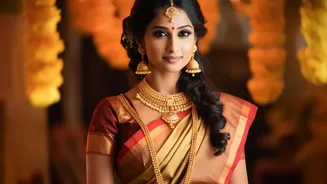
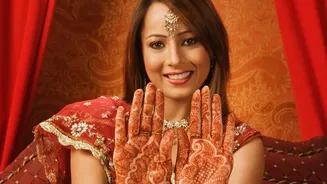
For decades, the Indian wedding and festive season was synonymous with opulence, often culminating in the purchase of an elaborate, heavily embellished outfit destined for a single, glorious outing. These garments, while beautiful, represented a significant
investment and contributed to a culture of consumption that is increasingly being questioned. A growing consciousness around sustainability, coupled with economic pragmatism, has led both consumers and creators to seek alternatives. The modern fashion consumer, particularly among millennials and Gen Z, is showing a preference for value and longevity over momentary grandeur. This shift is not about diminishing the celebratory spirit, but about finding smarter, more mindful ways to express it. The focus is moving from 'how new is it?' to 'how can I wear this again?'.
Designers Championing Versatility
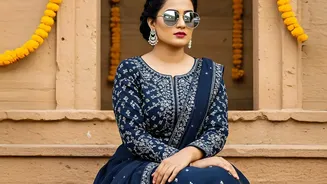
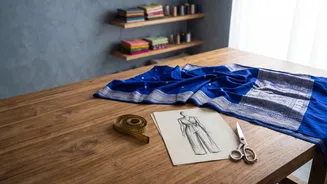
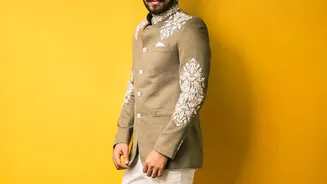
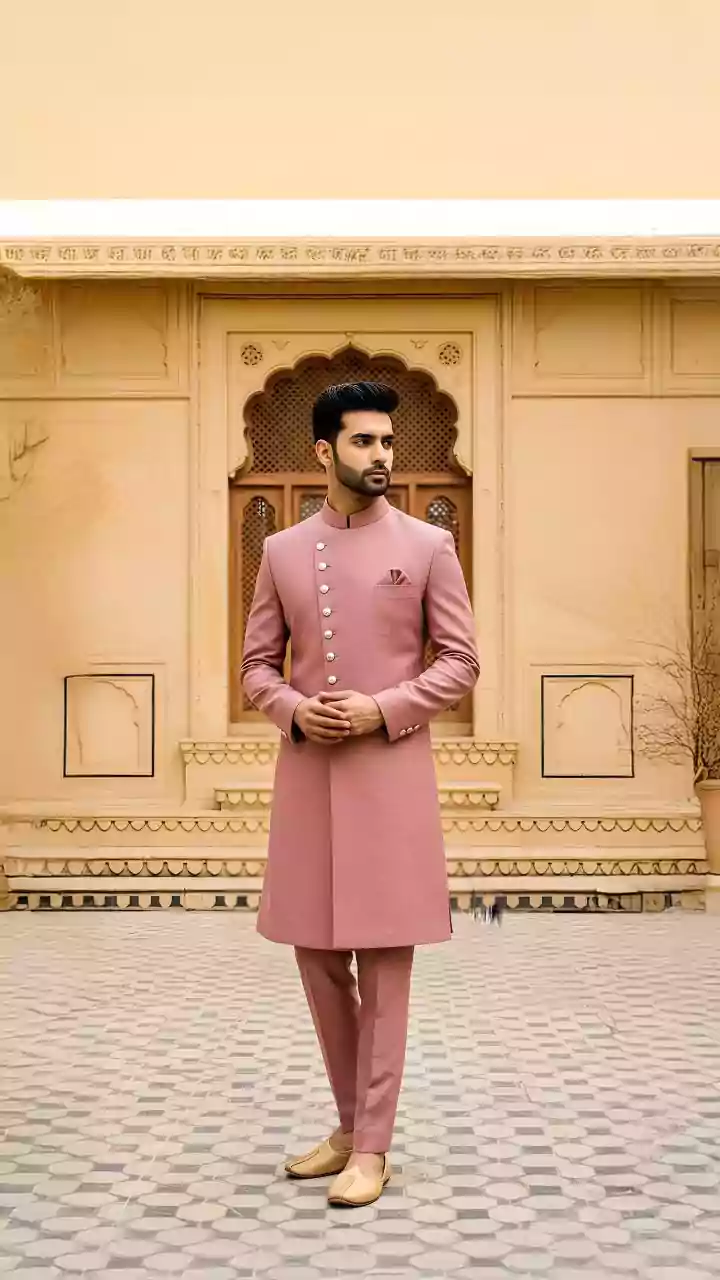
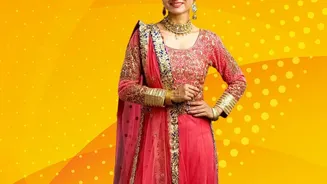
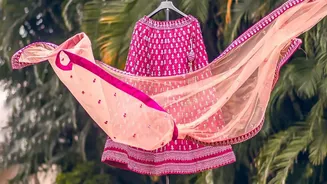
Indian designers are at the forefront of this change, re-imagining occasion wear with versatility at its core. The solution often lies in separates and modular design. Instead of a single, indivisible ensemble, designers are offering lehenga skirts, blouses, and dupattas that can be purchased individually and styled in multiple ways. A heavily embroidered blouse can be paired with a simpler saree, a rich Banarasi skirt can be worn with a crisp white shirt, and a statement dupatta can elevate a plain salwar kameez. Designers are also experimenting with lighter fabrics, contemporary silhouettes, and detachable elements, creating pieces that are comfortable and adaptable. Labels like Rishi & Vibhuti and Kalista are known for their fresh proportions and clean lines, while veterans like Tarun Tahiliani have long fused Indian craft with modern draping. This approach allows for personal expression and extends the life of each garment far beyond one event.
The Rise of the Conscious Consumer
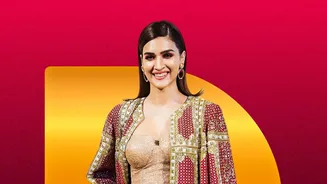
This design evolution is being met by a powerful shift in consumer mindset. There is a growing awareness of the fashion industry's environmental impact, leading many to question the logic of fast fashion and single-use outfits. Studies show that a significant percentage of Indian consumers consider sustainability when making purchases. This has fueled the rise of slow fashion brands that emphasize timeless design, ethical production, and artisanal craftsmanship. Furthermore, the social stigma once associated with repeating an outfit is fading fast, partly thanks to celebrities and influencers who now proudly showcase how they restyle their clothes. When Alia Bhatt re-wore her wedding saree for a major award function, it sent a powerful message that a cherished outfit deserves more than one moment in the spotlight. This change signifies a move towards a more confident and secure sense of personal style.
From the Closet to a New Look
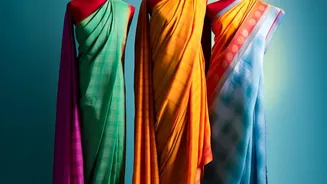
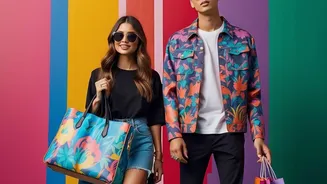
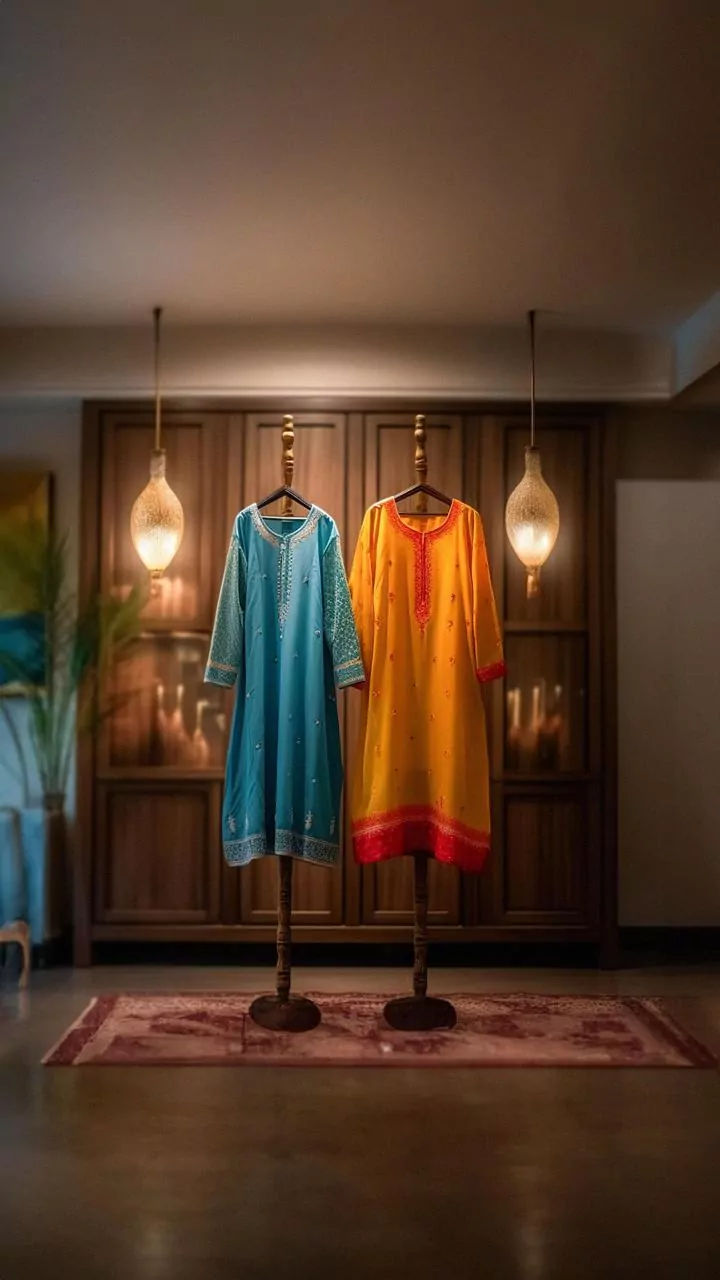
The beauty of this new approach lies in its creativity and practicality. It encourages a more playful and personal relationship with one's wardrobe. An old wedding lehenga can be transformed into an Anarkali suit. A heavy dupatta can be draped as a cape or a half-saree. Even simple changes, like swapping the bottom from a churidar to palazzo pants, or adding a stylish belt to a kurta, can completely change the character of an outfit. Accessories also play a crucial role; changing from heavy Kundan jewelry to minimalist pieces, or swapping a potli bag for a leather tote, can make a single outfit appropriate for vastly different occasions. This mix-and-match philosophy empowers wearers to become their own stylists, creating a wardrobe that is not only beautiful and festive but also sustainable and uniquely their own.