





The Digital Pantry Is Now Open
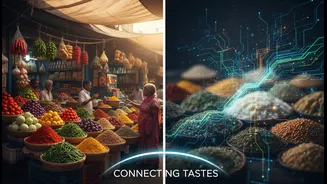
The foundation of this change is the unprecedented scale of digital adoption across India. With affordable mobile data and widespread smartphone use, millions of households now have a direct line to the digital marketplace. This connectivity has transformed
consumer behaviour, moving routine purchases from local markets to online platforms. The COVID-19 pandemic acted as a massive catalyst, pushing millions of first-time users to try online grocery services out of necessity. What started as a temporary solution has now become a lasting habit for many, reshaping expectations around convenience and choice. This digital shift is not confined to metros; Tier II cities and beyond are increasingly driving the growth, indicating a nationwide behavioural change.
From Kirana Runs to E-Grocery Carts
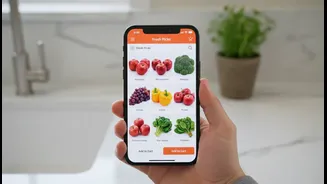
The weekly trip to the local kirana store or vegetable market is being supplemented, and in some cases replaced, by clicks on an app. E-grocery platforms and quick-commerce services offering delivery in minutes have transformed urban shopping. This shift is driven by convenience, competitive pricing, and a vastly wider product variety than most physical stores can offer. Consumers can now easily access everything from everyday staples to niche and premium products. This has led to more planned purchases and, paradoxically, more impulse buys spurred by targeted promotions. While traditional kirana stores remain vital, many are also adapting by integrating digital payment systems and partnering with B2B platforms to streamline their own operations.
A More Adventurous National Palate
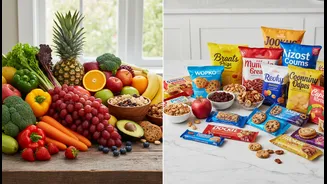
Internet access has flung open the doors to global and regional cuisines. Food blogs, YouTube cooking channels, and social media feeds are the new cookbooks, inspiring home cooks to experiment with ingredients and dishes they may have never encountered before. Food delivery apps further fuel this discovery, allowing users to sample new foods with a tap. This is creating a more adventurous and diverse palate in many Indian homes. E-commerce platforms report strong growth in categories like protein oats, cold-pressed oils, and even Korean snacks, with much of this demand coming from smaller cities. Food is evolving from being about routine sustenance to an expression of discovery and wellness.
The Search for Health and Wellness
As Indians get more connected, they are also becoming more health-conscious. The internet provides a wealth of information on nutrition, healthy eating, and lifestyle diseases, driving a significant shift toward wellness-oriented food choices. The Indian healthy food market is experiencing robust growth, with consumers increasingly seeking out organic, clean-label, plant-based, and fortified products. This demand is being met by a surge of direct-to-consumer (D2C) brands that leverage digital platforms to offer specialized and personalized nutrition solutions. Consumers are demonstrating a willingness to pay a premium for products they perceive as healthier, signalling a long-term trend.
The Economic Ripple Effect
This digital transformation is also changing household economics. The convenience of online ordering and seamless digital payments can lead to increased overall spending, particularly on food. Studies suggest that frequent use of food delivery apps is often linked to higher consumption of calorie-dense meals, which has potential public health implications. At the same time, this new ecosystem creates economic opportunities. It has spurred the growth of cloud kitchens and generated employment in the gig economy for delivery partners. However, it also presents a challenge for traditional retailers who must adapt to a landscape where price, convenience, and digital presence are key to attracting the modern Indian consumer.