







Let There Be Light
Overcast skies can significantly reduce the natural light entering your home, making rooms feel dark and uninviting. The first step is to maximize what little light you get. Swap out heavy, opaque curtains for lightweight and sheer fabrics like cotton,
linen, or voile. These materials allow diffused sunlight to filter through, brightening the space without sacrificing privacy. To combat the gloom further, a strategic approach to artificial lighting is key. A single overhead ceiling light can feel harsh and cold. Instead, focus on creating layers of warm light. Place floor lamps in corners, add table lamps to side tables, and consider using fairy lights or LED strips to create a soft, golden glow. Warm-toned bulbs are particularly effective at counteracting the cool, grey light of a rainy day. Mirrors can also be a decorator's best friend, strategically placed opposite windows to bounce light around the room and create an illusion of a larger, brighter space.
Create a Cozy and Comfortable Haven
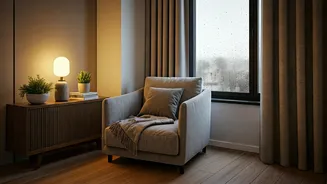
The cool monsoon weather is the perfect excuse to make your home feel extra cozy. This is the time to introduce soft textures and warm colours. While whites and pastels look great in summer, they can appear washed out during the monsoon. Opt for cushion covers, throws, and bed linens in warmer, deeper hues like mustard yellow, terracotta, burnt orange, or forest green to add a vibrant touch. Fabrics play a crucial role in comfort. Choose breathable, quick-drying materials like cotton, linen, and their blends. These natural fabrics are less likely to feel sticky in the high humidity and prevent the clammy feeling associated with synthetic materials. This is also the perfect time to bring out light cotton or jute rugs to add warmth and texture underfoot, making your space feel more inviting. Designating a specific cozy corner, perhaps near a window with a comfortable chair, a small table for your tea, and a soft throw, can become your personal retreat for watching the rain.
The Essential Battle Against Dampness
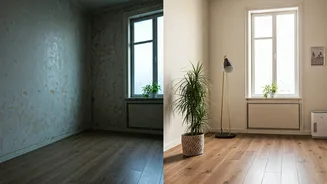
Comfort and style are pointless if your home is battling dampness and musty odours. High humidity is the monsoon's biggest challenge, creating a breeding ground for mould and mildew. Ventilation is your primary weapon. Whenever there's a break in the rain, open windows and doors to allow for cross-ventilation. Using exhaust fans in kitchens and bathrooms is also crucial to expel moist air. For enclosed spaces like wardrobes and cabinets, natural moisture absorbers are highly effective. Place bowls of rock salt, activated charcoal, or silica gel packets to soak up excess humidity. Small pouches of dried neem leaves or camphor can also help keep clothes fresh and deter insects. Be mindful of your furniture. Keep wooden items slightly away from walls to allow air to circulate and prevent moisture from getting trapped. Elevating furniture off the floor with small blocks can also prevent damage from damp floors.
Freshen the Air with Scents and Greenery
A common complaint during the monsoon is a persistent musty smell. The key is to eliminate odours, not just mask them. Regular cleaning is important, and you can add a few drops of natural disinfectants like tea tree or eucalyptus oil to your mopping water. Beyond cleanliness, you can introduce pleasant fragrances to lift the atmosphere. Scented candles, essential oil diffusers, and incense sticks with calming scents like sandalwood, lavender, or citrus can combat stale odours and create a spa-like feel. Boiling a pot of water with lemon slices, cloves, and a cinnamon stick is another natural way to freshen the air in your kitchen. Bringing nature indoors is another fantastic way to improve air quality and mood. Many indoor plants, such as snake plants, peace lilies, and pothos, thrive in humid conditions and help purify the air. Placing them in stylish planters can add a touch of lush greenery that beautifully complements the season outside.