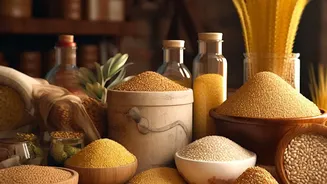





There’s a quiet revolution happening in Indian kitchens. Ancient grains, once staples for our grandparents, are making a remarkable comeback. Millets are moving from the background to the forefront, celebrated for their impressive health benefits.
The Great Millet Comeback
For
centuries, millets like jowar (sorghum), bajra (pearl millet), and ragi (finger millet) were the backbone of the Indian diet. However, the Green Revolution in the 1960s shifted focus to high-yield varieties of wheat and rice, pushing these hardy grains to the sidelines. Now, a renewed focus on health, wellness, and sustainability is bringing them back. This revival was significantly boosted by initiatives like the International Year of Millets in 2023, which was championed by India on a global stage. This campaign successfully highlighted their nutritional value and climate-resilient nature, reminding a new generation of what was once common knowledge.
Decoding the Health Benefits
The two main drivers of millet's rising popularity are its low glycaemic index (GI) and high fibre content. Foods with a low GI release sugar into the bloodstream slowly, preventing the sharp spikes associated with refined grains like white rice. This makes millets an excellent choice for managing blood sugar levels, particularly for individuals with diabetes or prediabetes. The high dietary fibre content is the other part of this powerful duo. Fibre slows down digestion, which not only helps control blood sugar but also keeps you feeling full for longer, aiding in weight management. Compared to white rice, which has very little fibre, millets are nutritional powerhouses, promoting better gut health and regularity.
A Guide to Common Millets
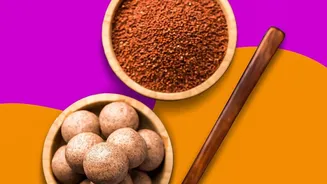
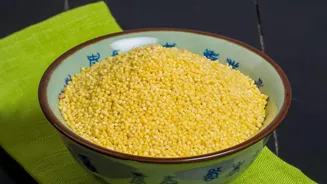
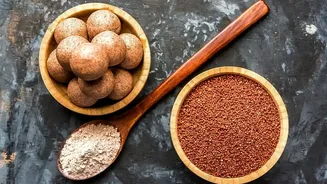
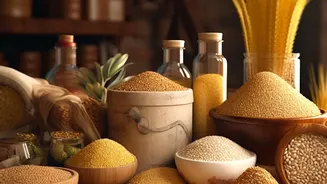
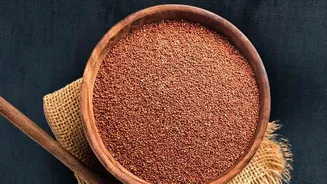
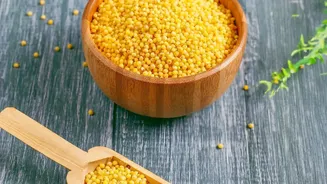
Not all millets are the same; each offers a unique nutritional profile and culinary use. Ragi (finger millet) is famously rich in calcium, making it excellent for bone health. Jowar (sorghum) is a great source of protein and fibre, known for being gentle on the digestive system. Bajra (pearl millet) is packed with iron and magnesium, and its warming properties make it a winter favourite in states like Rajasthan and Gujarat. Other varieties like foxtail millet (kangni), barnyard millet (sanwa), and little millet (kutki) are also gaining traction for their specific benefits, such as barnyard millet having one of the lowest glycaemic indexes and highest fibre contents of all.
Easy Swaps for Your Daily Meals
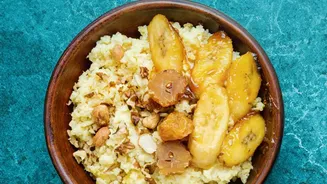
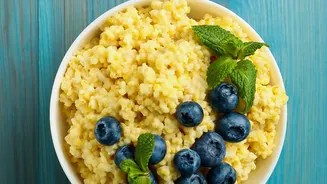
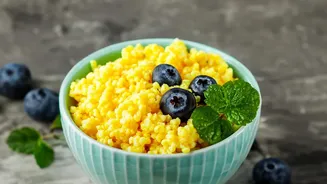
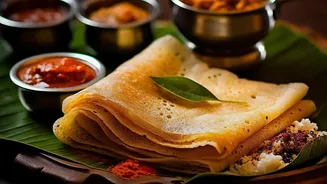
Incorporating millets into your diet doesn't require a complete overhaul of your eating habits. The easiest way to start is by making simple swaps. Try replacing a portion of your daily rice intake with cooked foxtail or barnyard millet. You can also blend millet flour with your regular whole wheat atta to make rotis. A 50/50 mix of jowar and wheat flour is a great starting point. For breakfast, a warm bowl of ragi porridge or a dosa made with millet batter can provide a nutritious start to the day. Even one-pot meals like khichdi and pulao can be made with millets instead of rice, adding a new texture and a significant nutritional boost to familiar dishes.
More Than Just a Health Food
The benefits of millets extend beyond personal health. These crops are known for their climate resilience. They require significantly less water than rice and wheat and can grow in arid conditions and less fertile soil, making them an environmentally sustainable choice for farmers. Supporting millet cultivation also helps promote biodiversity and provides a stable source of income for farmers in dryland regions who may have been left behind by the focus on other cash crops. By choosing millets, consumers are not only making a healthier choice for themselves but also contributing to a more sustainable agricultural future for India.