






What is FSSAI's New Plan?
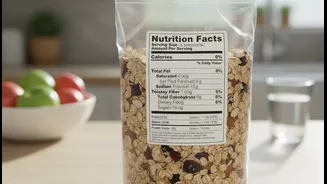
The Food Safety and Standards Authority of India (FSSAI) is tightening its regulations on how packaged foods are labelled. For years, the fine print on the back of the pack was the only source of nutritional information. Now, the focus is shifting to
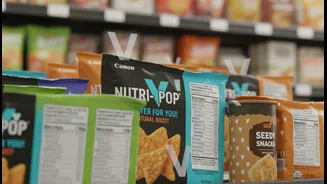
the front. The most significant proposed change is the introduction of Front-of-Pack Labelling (FoPL). After long consultations, the FSSAI appears to be moving towards a 'Health Star Rating' system, to be known as the Indian Nutrition Rating (INR). This system, similar to what's used for energy efficiency on appliances, would rate packaged food from half a star (least healthy) to five stars (healthiest). The rating would be based on a calculation that considers a product's energy value and its content of saturated fat, sugar, sodium, as well as positive nutrients like fruits, vegetables, and protein. The aim is to give consumers a quick, at-a-glance understanding of a product's nutritional profile.
A Crackdown on Misleading Claims
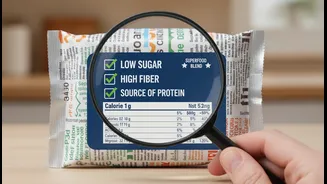
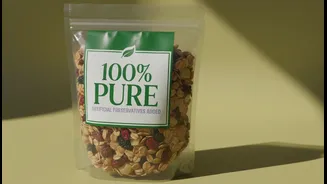
Beyond the star ratings, the FSSAI is also getting stricter on misleading marketing. In recent months, it has issued notices to numerous companies for using terms like "100% Natural," "Healthy," "Organic," and "Premium Chocolate" on products where the ingredient list tells a different story. For example, a cream bun marketed as "100% Natural" was found to list preservatives and synthetic colours in its ingredients. Similarly, products claiming "no added sugar" have been flagged for containing high levels of sugarcane juice. This crackdown signals a significant push for transparency, forcing brands to ensure their front-of-pack promises match the nutritional reality. The regulator is making it clear that claims must be scientifically substantiated and not just marketing buzzwords.
The Health Crisis Driving the Change
This regulatory push isn't happening in a vacuum. It's a direct response to India's escalating public health crisis. Unhealthy diets are now a leading contributor to the country's disease burden. Non-communicable diseases (NCDs) like diabetes, hypertension, and heart disease now account for over 60% of all deaths in India. Studies have directly linked the rising consumption of ultra-processed foods (UPFs) — which are often high in sugar, salt, and fat — to this alarming trend. Research indicates that India's UPF market grew at a compound annual growth rate of over 13% between 2011 and 2021. With over 101 million Indians living with diabetes and 136 million with prediabetes, the need for dietary intervention has become urgent.
What This Means for Your Grocery Cart
For the average consumer, these changes are designed to empower more informed choices. While Indian shoppers have traditionally prioritized price and expiry dates, the new labels aim to make nutritional information harder to ignore. A clear, simple star rating on the front of a packet of biscuits or a ready-to-eat meal could make it easier to compare products and identify healthier options. However, public health advocates and consumers are still in a debate. Some experts argue that a star-rating system can create a misleading "health halo" and that direct warning labels—like those used in Chile and Mexico—are more effective at discouraging the consumption of unhealthy products. Regardless of the final format, the increased focus on labelling will require consumers to become more aware of what they are buying and eating.
The Road Ahead
The implementation of these new rules will be a gradual process, with deadlines for compliance extending into 2026 and 2027 for some regulations. The food industry, while acknowledging the need for transparency, has expressed concerns about the impact of stringent labelling on their business. Lobbying from the processed food industry has been a factor in the slow-moving nature of these regulations. However, the pressure from public health bodies and a Supreme Court directive from February 2026 have pushed FSSAI to finalize its framework. This move aligns India with a global trend towards greater food transparency and public health accountability. As these regulations roll out, they will not only change the look of supermarket shelves but also fundamentally reshape the conversation around food, health, and consumer rights in India.