






Your Smartphone is Your Best Friend
Before you even step out, a quick check of a few apps can save you hours of frustration. Use real-time weather apps to track rain showers. More importantly, leverage traffic apps like Google Maps or Waze, which often show live traffic conditions and waterlogged
routes reported by other users. The Delhi Traffic Police also frequently posts updates on social media, providing information on diversions and severely affected areas like the Minto Bridge underpass, Zakhira underpass, or stretches of Ring Road. Knowing which areas to avoid is the first and most crucial step.
Prepare Your Vehicle for the Downpour
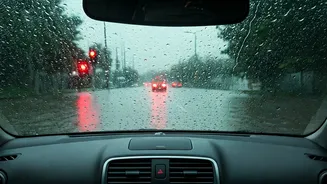
A pre-monsoon service for your car or two-wheeler isn't an expense, it's an investment in safety. Your primary focus should be on tyres, brakes, and wipers. Ensure your tyres have adequate tread depth to prevent hydroplaning on wet roads. Get your brakes checked, as their efficiency can reduce on wet surfaces. Worn-out wiper blades, often damaged by summer heat, must be replaced to ensure clear visibility during a downpour. Also, check all lights—headlights, tail-lamps, and indicators—as visibility drops significantly during heavy rain. Applying a water-repellent coating to your windshield can also dramatically improve vision.
Mastering Public Transport
If you rely on public transport, the Delhi Metro is often your most reliable option. Despite occasional issues with waterlogging at the entry/exit points of some stations, the DMRC generally maintains a high punctuality rate during adverse weather. However, be prepared for larger-than-usual crowds as many people switch from road transport to the metro. If you take buses or auto-rickshaws, be aware that services can be slower and routes may be diverted due to waterlogging in areas like Moti Bagh, Ashok Vihar, and near the Govindpuri metro station. Leaving earlier than usual is a wise strategy.
Pack a Commuter's Survival Kit
Your daily bag needs a monsoon upgrade. A sturdy umbrella and waterproof footwear are obvious essentials. Opt for synthetic, quick-drying clothes if possible. Carry a waterproof bag or cover to protect your electronic gadgets like laptops and phones. It's also a good idea to pack a power bank, as long delays can drain your phone's battery just when you need it most for navigation or communication. A small first-aid kit with basics like antiseptic wipes and bandages is also recommended, along with a hand sanitizer to maintain hygiene. Keeping a change of socks can provide immense comfort if you get caught in the rain.
Prioritise Health and Safety
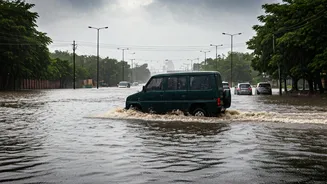
The monsoon brings a heightened risk of water-borne and vector-borne diseases like dengue and malaria. Avoid wading through stagnant water, as it can be contaminated and hide open drains or potholes. If you get drenched, try to change out of wet clothes as soon as possible to avoid fungal infections and catching a cold. Be mindful of your food and water intake; avoid street food, especially items that might have been exposed to contaminated water, and stick to boiled or filtered water. Finally, on the road, drive cautiously, maintain a safe distance from the vehicle ahead, and never try to drive through heavily waterlogged areas where your vehicle could stall and get damaged.