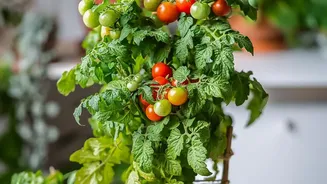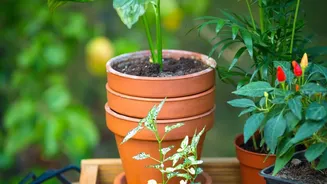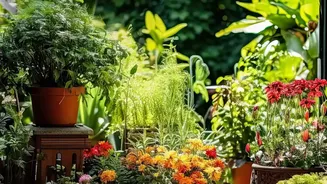




As November's cool air settles over North India, the gardening spirit remains strong. But with shorter days and gentler sun, how do you ensure your balcony crops thrive? Understanding the science of light is key to a successful winter garden.
Why Less Daylight Changes Everything
The primary
challenge for any plant in winter is the reduction in daylight. Plants create energy through photosynthesis, a process fueled by sunlight. As days become shorter in November, the time available for this crucial energy production shrinks. Most plants slow or halt their growth when daylight drops below 10 hours. This is a survival mechanism; the plant conserves energy when the resources to create it are scarce. For a North Indian balcony, which may already have limited sun exposure due to its direction or surrounding buildings, this reduction is even more significant. Plants may grow slower, appear less robust, and be more vulnerable to issues like root rot if their watering schedule isn't adjusted for the cooler, less active growing period. The goal is not to fight this natural cycle, but to work with it by choosing the right plants and adjusting your care routine.
The Best Vegetables for Low Light
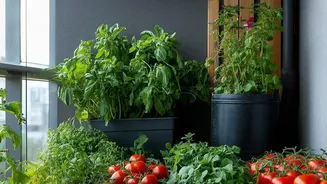
The good news is that many vegetables, particularly leafy greens and root crops, are perfectly adapted to the cooler temperatures and lower light of a North Indian winter. These 'short-day' plants often produce their best-tasting harvest in these conditions. For a November balcony garden, focus on:
Spinach (Palak): A star of the winter garden, spinach grows quickly in containers. You can harvest the outer leaves repeatedly, ensuring a continuous supply. It does well even with partial sunlight.
Fenugreek (Methi): Another fast-growing green, methi is incredibly easy for beginners. The seeds germinate quickly, and you can have a harvest in just over a month.
Coriander (Dhaniya): A staple in every Indian kitchen, coriander thrives in winter. The cooler weather delays its tendency to bolt (flower), allowing you to harvest fresh leaves for a longer period.
Radish (Mooli): Radishes are satisfying to grow in pots, provided the container is deep enough for the root to develop. They prefer the cool season and grow relatively fast.
* Lettuce: Various types of lettuce grow well in the gentle winter sun and can be harvested leaf by leaf. They are ideal for containers and small spaces.
Herbs and Flowers That Thrive
Don't limit your winter balcony to just vegetables. Many herbs and flowers perform exceptionally well in November's climate, adding flavour and colour to your home.
Herbs: Besides coriander, mint (pudina) and parsley are excellent choices. Mint grows steadily in winter without becoming as invasive as it does in summer. Parsley is a slow starter but provides a flavourful harvest for months.
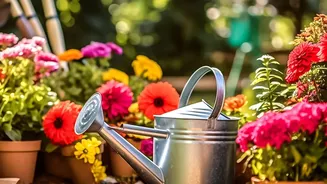
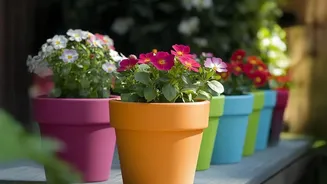
Flowering Plants: To add a splash of colour, consider winter annuals. Marigolds are tough and classic, while Petunias and Pansies add vibrant hues and are perfect for hanging baskets. Calendula, with its bright orange and yellow flowers, also tolerates lower light conditions well. For shaded balconies that get bright but not direct sun, Cineraria and Primula are good options.
Smarter Care for Colder Weather
Success in a winter balcony garden hinges on adapting your care routine. The biggest mistake is overwatering. With lower temperatures and less evaporation, soil stays moist for much longer. Always check the top inch or two of soil; if it feels damp, wait another day before watering. When you do water, do so in the morning so the plants aren't sitting in cold, wet soil overnight, which can lead to root rot. It's also wise to reduce fertilising, as most plants are in a slower growth phase and don't require the extra nutrients. Instead, focus on healthy soil with good drainage, perhaps by mixing in some compost. Finally, maximise what little sun you have. Clean the dust off leaves so they can absorb light more efficiently and rotate your pots every few days so all sides of the plant get some exposure.