





The Douro Valley: A River of Wine
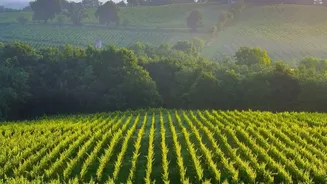
The Douro Valley, a UNESCO World Heritage site, is arguably Portugal's most breathtaking wine region. For centuries, this is where the grapes for Port wine have been grown on steep, man-made terraces that cascade down to the Douro River. A trip here is a journey
into a landscape that is both rugged and elegant. The best way to experience it is slowly. Consider a scenic train ride from Porto, which winds along the river's edge, offering stunning views at every turn. Alternatively, driving allows you to stop at various 'miradouros' (viewpoints) for panoramic photos. The heart of the region is dotted with 'quintas', or wine estates, many of which welcome visitors for tours and tastings. You can learn about the production of both Port and, increasingly, high-quality unfortified red wines. For a truly immersive experience, take a one or two-hour cruise on a traditional 'rabelo' boat from the village of Pinhão to see the vineyards from the water.
Alentejo: The Golden Plains
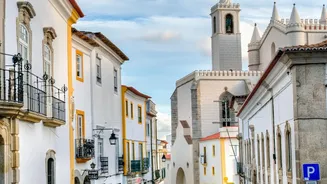
South of Lisbon, the landscape transforms into the vast, sun-drenched plains of the Alentejo. Covering nearly a third of the country, this sparsely populated region is Portugal’s agricultural heart, known for its rolling fields of wheat, ancient olive groves, and sprawling cork oak forests. Life here moves at an unhurried pace. Alentejo is the world's largest producer of cork, and you can take tours to see how it's sustainably harvested from the trees. The region is also famous for its generous, full-bodied red wines. Whitewashed villages perch on hilltops, such as the stunning medieval town of Monsaraz, which offers incredible views over the Alqueva Lake. The historic city of Évora, another UNESCO site, makes a great base for exploring, with its Roman temple and eerie Chapel of Bones. For accommodation, consider an 'agroturismo'—a farm stay—where you can experience rural life firsthand, often enjoying meals made with ingredients grown on the property.
Minho: The Land of Vinho Verde
In the northwest corner of Portugal lies the Minho region, a lush, green landscape that feels a world away from the dry plains of Alentejo. This is the home of Vinho Verde, or 'green wine'. The name refers not to its color but to its youthful freshness, as these wines are meant to be drunk young. They are typically light, crisp, and often slightly effervescent, making them perfect for a warm afternoon. The vineyards here are unique; instead of neat rows, you'll often see vines climbing up trees and trellises along the borders of small fields. This region is dotted with historic towns like Guimarães, considered the birthplace of Portugal, and the picturesque Ponte de Lima with its famous Roman bridge. The Vinho Verde Wine Route offers several itineraries that guide you through charming family-run wineries, ancient monasteries, and scenic river valleys.
Planning Your Rural Escape
The best time to visit Portugal's countryside is during the spring (April to June) when the landscapes are green and wildflowers are in bloom, or in the autumn (September to October) for the grape harvest. Summers, particularly in the Alentejo, can be extremely hot. While you can visit some regions by train, renting a car offers the most freedom to explore the winding back roads and hidden villages that make a countryside trip so special. Look for accommodations that connect you to the land, such as a 'quinta' in the Douro or an 'herdade' (estate) in Alentejo. These properties range from rustic farmhouses to luxurious boutique hotels with pools and spas. Don’t be afraid to stop at a local 'tasca' for lunch; it's often in these simple, family-run establishments that you'll find the most authentic and memorable meals.