
Beyond Butter Chicken and Biryani
For decades, the perception of Indian food, both at home and abroad, was often limited to a familiar roster of North Indian staples. While delicious, this shorthand overlooked the sheer diversity of the country's culinary landscape. The current trend,
however, is not about abandoning these classics but about expanding the definition of Indian food itself. A new generation of chefs is moving away from generic, catch-all menus and diving deep into the specific cuisines of individual states and communities. This shift is driven by a growing confidence to celebrate and innovate with what is uniquely Indian, rather than translating it for a global palate. As some in the industry have noted, Indian food has stopped feeling the need to explain itself.
The Treasure Trove of Regional Ingredients
At the heart of this movement is a focus on hyper-local and indigenous ingredients. Chefs are travelling to remote regions, foraging in forests, and building direct relationships with farmers to source produce that has been overlooked by the mainstream fine-dining world. Ingredients like foraged greens from the Himalayas, heirloom grains from Chhattisgarh, tangy kokum from the Western Ghats, and pungent Bandel cheese are becoming the new symbols of luxury. Restaurants like Naar in Himachal Pradesh build entire menus around Himalayan-forward cuisine, using everything from local yak cheese to wild berries. This isn't just about novelty; it's about showcasing India's immense biodiversity and reviving ingredients that were once staples in community kitchens but had been forgotten by urban centres.
A Global Toolkit, An Indian Soul
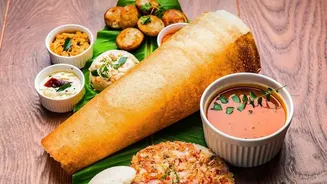
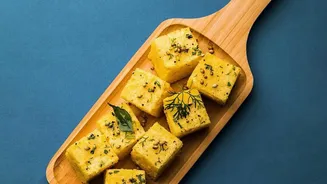
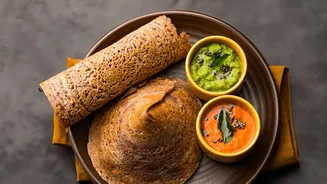
This deep dive into regionality is paired with an embrace of international techniques, but not in the superficial way of early-era 'fusion' food. Instead of gimmicks like 'chicken tikka pizza', contemporary chefs are using global methods to enhance and reinterpret Indian flavours. A traditional mutton curry might be cooked sous-vide for 48 hours to achieve an impossibly tender texture while retaining its nostalgic masala profile. At Kalpaney in Bengaluru, the familiar dal dhokli is reimagined as tagliatelle, and dahi bhalla is served with feta. In Goa, Hosa takes inspiration from Madurai street food to create a luxe small plate featuring a Kari dosa with bone marrow hollandaise. This approach respects the soul of the original dish while presenting it in a modern, often surprising, form.
A New Kind of Dining Experience
This culinary evolution is changing what it means to dine out in India. The modern Indian diner is more curious and adventurous, their palate shaped by travel, social media, and a desire for authenticity. They are seeking stories and a connection to the food on their plate. As a result, luxury is no longer defined by imported truffles but by the biography of an ingredient. Menus are becoming more narrative-driven, explaining the origin of a particular dish or ingredient. This shift caters to a growing appetite for more layered expressions of Indian food, moving beyond spectacle and toward substance. Diners are no longer just eating a meal; they are participating in the rediscovery of their own country's culinary heritage.