
An Art Born of the Desert
Lippan Kam, which translates to “clay work” or “to apply,” is a traditional mural craft hailing from the Kutch region of Gujarat. For generations, women of pastoral communities like the Rabari and Mutwa have decorated the inner and outer walls of their
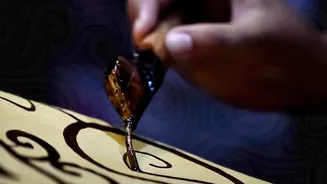
circular mud huts, called 'bhungas'. This art wasn't just for beauty; it served a practical purpose. The thick mud relief work acted as a natural insulator in the harsh desert climate, while the embedded mirrors, or 'aabhla', captured and scattered scarce light, illuminating the interiors. Traditionally, the process involved mixing local clay with camel or wild ass dung, applying it by hand to create intricate geometric and natural motifs, and then painstakingly setting tiny mirrors into the wet clay. These designs—peacocks, camels, trees, and flowers—were a reflection of their daily lives, nature, and cultural beliefs.
From Bhungas to Bengaluru
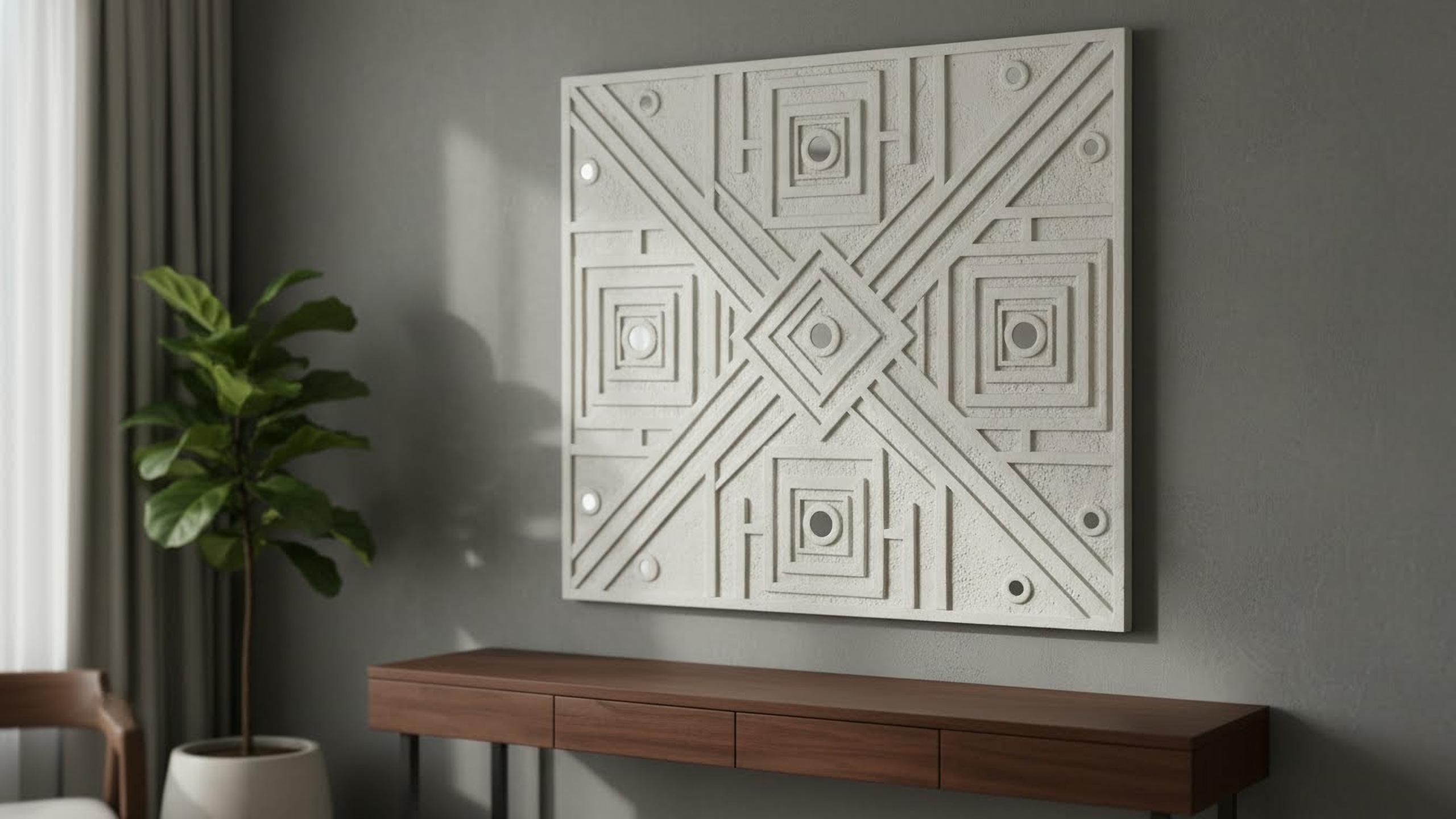
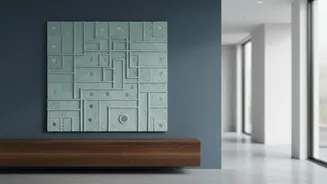
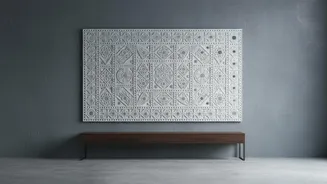
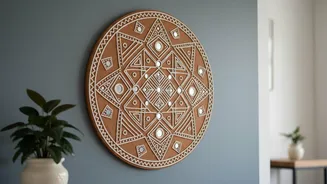
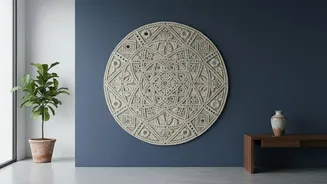
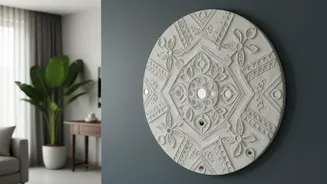
So how did an art form intrinsically linked to the walls of rural huts make its way into high-rise apartments in Mumbai and Bengaluru? The transformation has been a story of innovation and adaptation. While the soul of Lippan art remains, the materials have evolved to suit modern homes. The original mud and dung mixture is not practical for urban settings—it's heavy, fragile, and not portable. Today’s artisans have cleverly substituted traditional materials. Instead of walls, sturdy MDF boards are used as a base. The clay mixture is often a more durable and odour-free combination of ceramic powder, chalk powder, or air-dry clay mixed with adhesives. This evolution makes the art lighter, more durable, and portable, allowing it to be sold as decorative panels, wall hangings, nameplates, and other decor items.
The New Face of an Old Craft
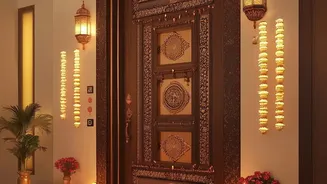
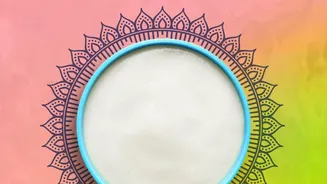
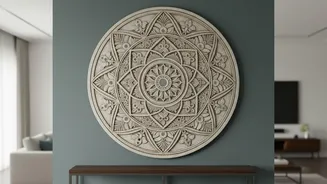
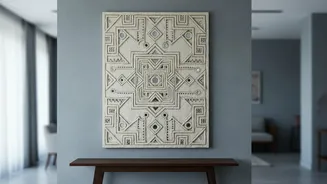
This revival is being led by a new generation of artisans and designers who see the value in preserving heritage while catering to contemporary tastes. They are creating pieces that respect the traditional motifs and techniques while also experimenting with modern designs, colours, and forms. While classic Lippan is often white or earthy, contemporary artists are using vibrant acrylic paints to match modern colour palettes. The motifs have also expanded from purely traditional symbols to include modern mandalas and abstract geometric patterns that appeal to urban aesthetics. This fusion has created a booming market. Online platforms and designer boutiques now feature a wide array of Lippan-inspired art, making it accessible to a global audience. This commercial success is not just about a decor trend; it's providing a sustainable livelihood for artisan communities and ensuring their craft endures.
More Than Just a Pretty Wall
The rising popularity of Lippan art speaks to a broader cultural shift. In an age of mass-produced goods, there is a growing desire for decor that is handmade, unique, and has a story. Lippan Kam fits this need perfectly. Each piece is a testament to the artisan's skill, a tangible link to a rich cultural heritage that has been passed down through generations, often from mother to daughter. Choosing a Lippan art piece for your home is more than an aesthetic choice; it’s an appreciation of craftsmanship and a celebration of a tradition that has found a way to shine brightly in the modern world. It brings a piece of the Kutch desert's resilience, creativity, and spirit into the heart of the contemporary Indian home, proving that some traditions don't just survive—they evolve and thrive.