


Tired of the gym? Combining outdoor exploration with practical exercise is an excellent way to boost your heart health. Both hiking and stand-up paddleboarding (SUP) offer engaging, effective workouts that feel more like an adventure than a chore.
Hiking: A Workout for the Heart and Soul
Hiking
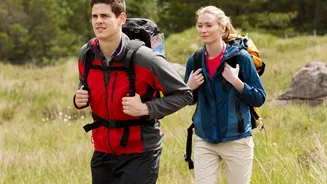
is one of the most accessible forms of exercise, offering a powerful cardiovascular workout that can be easily scaled to any fitness level. It's an aerobic activity that improves circulation and boosts the supply of oxygen to your muscles. Walking on varied, uneven terrain and tackling inclines forces your heart to work harder than walking on a flat surface, strengthening the heart muscle over time. This sustained effort can help lower blood pressure, reduce bad cholesterol, and decrease the risk of heart disease. An average hour of hiking can burn between 400 and 600 calories, depending on the trail's difficulty and the weight you carry. Beyond the physical, being in nature has been shown to reduce stress by lowering cortisol levels, providing a mental health boost that complements the physical exertion.
Paddleboarding: A Full-Body Balancing Act
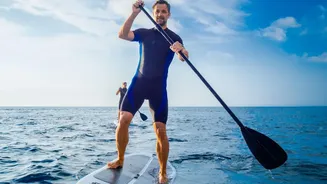
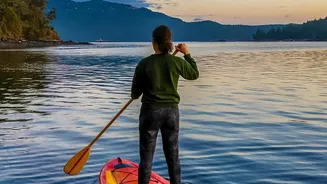
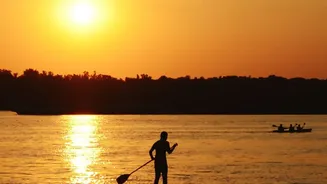
Stand-up paddleboarding (SUP) has surged in popularity not just as a leisure activity but as a remarkably effective full-body workout. While it may look serene from the shore, SUP provides a potent combination of strength, balance, and cardiovascular training. The act of balancing on the board requires constant, subtle adjustments from your leg and core muscles, including deep abdominal muscles that are often neglected in other workouts. This continuous core engagement is the foundation of the exercise. Layered on top is the paddling motion, which engages the arms, shoulders, and back, creating a comprehensive, low-impact workout that's gentle on the joints. This consistent movement keeps your heart rate elevated, providing a solid aerobic session that improves heart function and endurance.
Which Outdoor Workout is Right for You?
Choosing between hiking and paddleboarding often comes down to personal preference, accessibility, and specific fitness goals. For pure calorie burn, intense hiking on difficult terrain generally has an edge, burning up to 600 calories an hour compared to the 300-450 calories burned during a relaxed hour of paddling. However, more vigorous forms of SUP, like racing or touring, can burn well over 700 calories. Paddleboarding offers superior core strengthening, as your abdominal and back muscles are constantly firing to maintain balance. Hiking, on the other hand, is primarily a lower-body workout, strengthening glutes, quads, and hamstrings. In terms of accessibility, hiking is often easier to start; all you need is a good pair of shoes and a local trail. Paddleboarding requires access to a calm body of water and equipment, which can be rented in many places. Both activities are celebrated for being low-impact, making them excellent, joint-friendly alternatives to high-impact sports like running.
Getting Started on the Trail
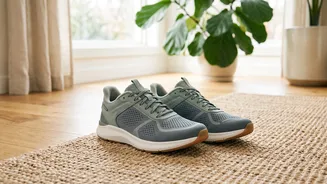
If hiking appeals to you, starting is simple. Begin with well-marked, relatively flat trails to build confidence and endurance. Invest in a pair of comfortable, supportive hiking shoes with good grip to prevent slips and protect your ankles. Always carry water, even on short hikes, and let someone know your route and expected return time. As your fitness improves, you can gradually move on to more challenging trails with steeper inclines and more rugged terrain to keep elevating your heart rate and building strength. Using trekking poles can provide extra stability and also engage your upper body for a more complete workout.
Taking Your First Strokes on Water
For those new to paddleboarding, it's best to start on a calm body of water like a lake or a sheltered bay with minimal wind. Many waterfront locations offer board rentals and beginner lessons, which are highly recommended. A short lesson can teach you the basics of standing up, balancing, and proper paddling technique to prevent injury and maximize the workout. Remember to use your core for power, not just your arms. Wear a life vest or personal flotation device (PFD) and a leash that connects you to your board. Don't be afraid of falling in—it's part of the learning process and can be quite refreshing on a warm day!