







The Power Trio: Ginger, Garlic, and Turmeric
This trio is the foundation of Indian cooking and a non-negotiable for monsoon health. Ginger is excellent for soothing sore throats and aiding digestion, which can be sluggish in humid weather. Garlic, with its potent compound allicin, acts as a natural
antibacterial and antiviral agent, helping your body combat common infections. Turmeric, the golden spice, is a powerful anti-inflammatory and immunity booster, thanks to curcumin. Keeping ginger-garlic paste and high-quality turmeric powder on hand makes it easy to add a protective layer to every dal and sabzi you cook. A warm cup of ginger tea or turmeric milk can be a comforting and healing daily ritual.
Light Lentils and Pulses
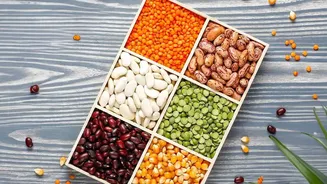
Heavy meals can feel taxing on the digestive system during the rainy season. This is where light lentils like moong dal shine. According to Ayurveda, warm, freshly cooked, and easily digestible foods are ideal for this time of year, and nothing fits that description better than a simple dal or khichdi. Moong dal, in particular, is prized for being gentle on the stomach while providing essential protein. Stocking up on a variety of dals ensures you have the base for a nourishing soup or a comforting dal-rice meal, keeping you both full and healthy.
Warming Whole Spices
Beyond the basic masalas, certain whole spices are particularly beneficial during monsoon. Black pepper, cloves, cinnamon, and ajwain (carom seeds) have properties that help keep the body warm and support digestion. Black pepper can help clear congestion, while ajwain is a well-known remedy for indigestion and bloating. Making a simple kadha by boiling these spices with tulsi and ginger can be a potent shield against colds and flu. Using whole spices instead of just powders also ensures you get their maximum flavour and health benefits, as their essential oils are better preserved.
Wholesome Grains and Millets
While rice and wheat are staples, incorporating other grains like barley (jau) and millets can be very beneficial. These grains are rich in fibre and help in maintaining good gut health, which is directly linked to immunity. Millets are particularly celebrated as a healthy monsoon choice. They are easy to digest and packed with nutrients. You can make a simple millet khichdi, upma, or even use millet flour for rotis. Oats are another great pantry staple for a quick, warming, and fibrous breakfast that provides sustained energy on gloomy, rainy days.
Nuts, Seeds, and Healthy Snacks
Monsoon evenings and a cup of chai demand a crunchy companion. Instead of reaching for fried snacks, stock up on nuts and seeds like almonds, walnuts, and roasted makhana (fox nuts). Makhana is an incredibly light, low-calorie, and satisfying snack when roasted with a little ghee and black salt. Nuts provide healthy fats and energy, but should be consumed in moderation. Ensure they are stored in airtight containers to prevent them from becoming soggy in the high humidity. Roasted chana is another excellent, high-protein snack that satisfies salty cravings without the oil.
The Comfort of Herbal Brews
Staying hydrated is crucial, but cold drinks can dampen the digestive fire, according to Ayurvedic principles. Warm beverages are your best friend. Keeping a stock of herbal teas is a great idea. Teas made with tulsi (holy basil), ginger, mint, or a mix of spices not only provide warmth and comfort but also have infection-fighting properties. Green tea is another great option, packed with antioxidants. A simple habit of sipping warm, boiled water or these herbal brews throughout the day can help flush out toxins and keep your system strong.