



The Masterstroke That Landed Dhoni in Chennai
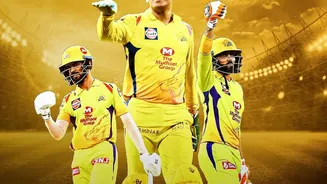
Mahendra Singh Dhoni, fresh off a T20 World Cup victory, was the hottest property in the 2008 auction. A fierce bidding war erupted between Mumbai Indians and Chennai Super Kings. But CSK had a masterplan. While other teams like Mumbai (Sachin Tendulkar),
Kolkata (Sourav Ganguly), and Delhi (Virender Sehwag) had designated 'Icon Players' who were automatically assigned and paid 15% more than their team's highest earner, CSK opted out. As the bid for Dhoni soared to $1.5 million, Mumbai realised they would have to pay him that, plus an 'icon' salary of $1.65 million to Tendulkar, consuming over 60% of their $5 million purse on just two players. They backed out, and CSK, having strategically avoided an icon player, secured the man who would define their franchise for a generation.
The 'Icon Player' Rule That Never Returned
Imagine an IPL where Sachin Tendulkar couldn't play for anyone but Mumbai, or Sourav Ganguly was locked to Kolkata. That was the reality of the one-off 'Icon Player' rule in 2008. To build local connections, five top Indian stars—Tendulkar (Mumbai), Ganguly (Kolkata), Rahul Dravid (Bangalore), Yuvraj Singh (Punjab), and Virender Sehwag (Delhi)—were barred from the auction and assigned to their home franchises. This not only kept them from the open market but also came with a complicated salary: they would automatically earn 15% more than the highest-paid player on their team acquired at the auction. While designed to build fan loyalty, franchises found it a handicap on their salary cap, and the rule was quickly scrapped in subsequent seasons. Notably, VVS Laxman declined the icon tag for Deccan Chargers to give his team more flexibility in the auction.
Shoaib Akhtar’s Dramatic, Last-Minute Entry
The 'Rawalpindi Express' was one of the most feared bowlers of his era, but his entry into the IPL was shrouded in drama. Initially, Shoaib Akhtar was serving a ban from the Pakistan Cricket Board and was not in the auction. However, his ban was provisionally lifted, allowing him to make a late, dramatic entry. Shah Rukh Khan's Kolkata Knight Riders pounced, snapping him up for a whopping $425,000 (approx. Rs 1.7 crore). His KKR career was brief but memorable, highlighted by a blistering 4/11 spell against Delhi Daredevils where he dismissed Sehwag, Gambhir, and AB de Villiers. The participation of Pakistani players was a unique feature of the 2008 season, and Akhtar was arguably the most high-profile and explosive of them all, both on and off the field.
Future Legends Sold for a Bargain
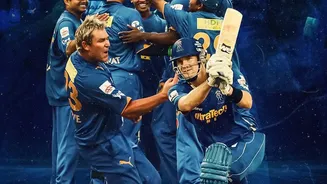
Hindsight is a wonderful thing. In 2008, with T20 still a relatively new format, teams weren't quite sure what a 'T20 specialist' looked like. This led to some of the game's future legends being sold for surprisingly low prices. The legendary Australian leg-spinner Shane Warne was picked up by Rajasthan Royals for just his base price of $450,000. He went on to lead the underdog side to the inaugural IPL title. Similarly, Sri Lankan powerhouse Sanath Jayasuriya, who would terrorise bowlers for Mumbai Indians, was bought for a modest $475,000. Many other future stars were picked up for amounts that would seem like a steal today, highlighting how much the valuation of T20 skills has evolved since that first, uncertain auction.
The Forgotten U-19 and U-22 Player Drafts
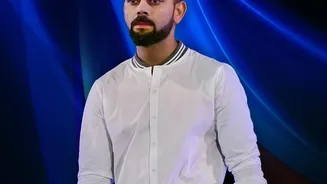
Beyond the big-money bidding wars for international stars, the 2008 IPL had specific rules to nurture young talent that have since been forgotten. After the main auction, there was a separate draft for India's U-19 World Cup-winning squad. This is how players like a young Virat Kohli were drafted into Royal Challengers Bangalore. Furthermore, the rules mandated that each franchise sign a minimum number of U-22 players from their own 'catchment area'—the regions their teams were based in. This was an effort to build local flavor and unearth grassroots talent, leading to several local club cricketers getting a once-in-a-lifetime opportunity to share a dressing room with global superstars, a system very different from today's open market.