


The Dance of Sun, Earth, and Moon
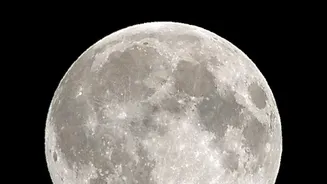
A lunar eclipse is a beautiful astronomical event that occurs when the Earth positions itself directly between the Sun and the Moon. During this alignment, our planet casts a shadow that darkens the lunar surface. This can only happen during a full moon,
when the Moon is on the opposite side of Earth from the Sun. There are three types of lunar eclipses: total, partial, and penumbral. In a total eclipse, the Moon is completely swallowed by Earth's darkest shadow, the umbra. In a partial eclipse, only a portion of the Moon enters the umbra. A penumbral eclipse is more subtle, with the Moon passing only through Earth's fainter outer shadow.
The Near-Miss of August 2026
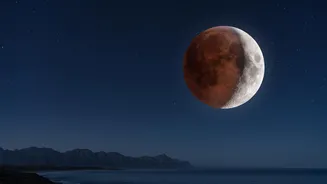
A deep partial lunar eclipse is set to occur on August 28, 2026, an event creating buzz among astronomers globally. During this event, about 93% of the Moon's diameter will pass into Earth's dark shadow, making it an 'almost-total' eclipse. However, for sky-watchers in India, this spectacular show will unfortunately be out of sight. The eclipse will reach its peak at approximately 9:43 AM Indian Standard Time. Since this occurs during broad daylight across the subcontinent, the Moon will be below the horizon and therefore not visible.
Your Next Viewing Opportunity: March 2026
The good news is that Indian sky-gazers will not have to wait too long for their turn. The next major event is a total lunar eclipse on March 3, 2026. This eclipse will be special because for most of India, the Moon will rise while it is already in the later stages of the eclipse. This means you may get to see a reddish, eclipsed Moon appearing on the eastern horizon right around sunset, creating a stunning visual. Viewers in the Northeast and the Andaman and Nicobar Islands will have an even better view, potentially witnessing the end of the totality phase itself.
How to Prepare for the Show
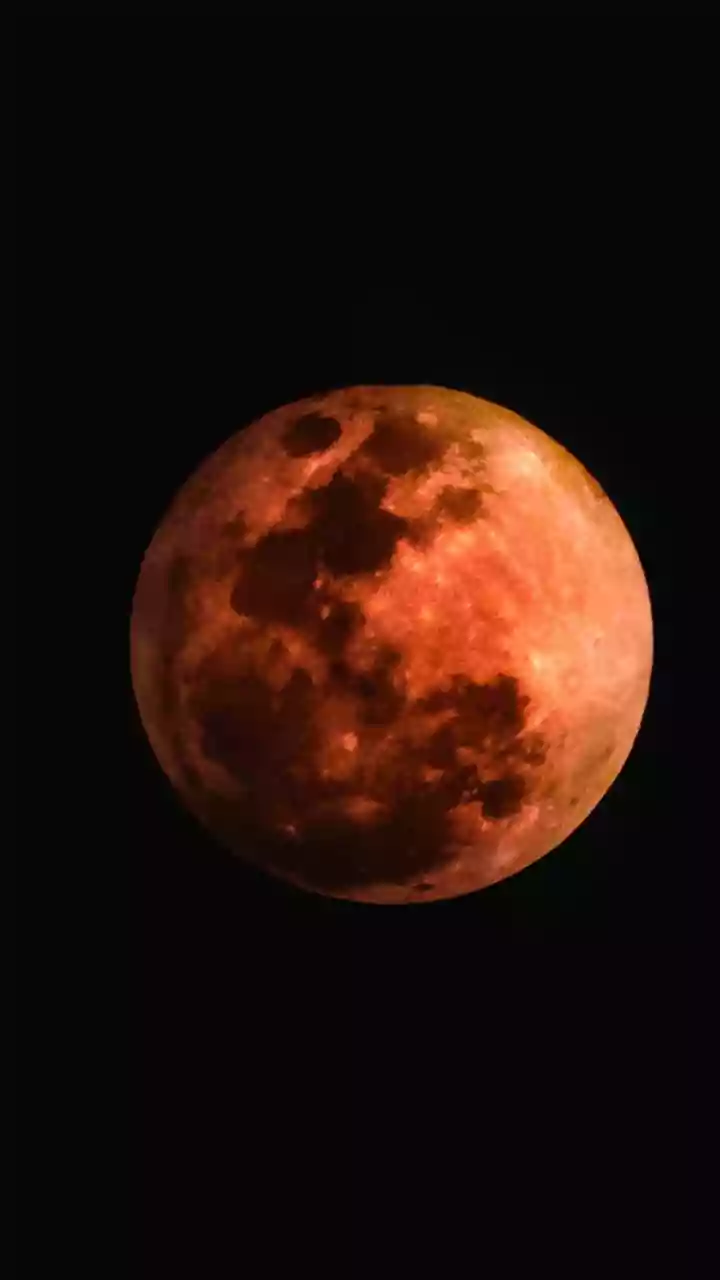
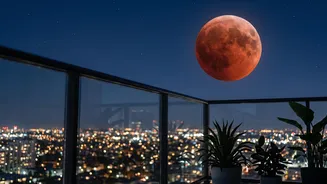
Unlike a solar eclipse, a lunar eclipse is perfectly safe to view with the naked eye. No special glasses or filters are required. To get the best experience, find a location with a clear, unobstructed view of the eastern horizon. Try to get away from bright city lights, as light pollution can wash out the subtle colours of the eclipse. A park, a rooftop, or an open field are all excellent choices. While you don't need equipment, a pair of binoculars or a small telescope can dramatically enhance the view, revealing details on the lunar surface and making the reddish 'Blood Moon' colours appear more vivid.
What to Look For During the Eclipse
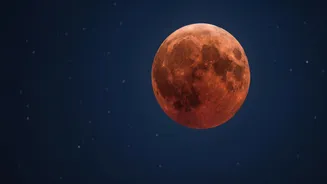
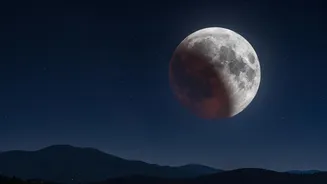
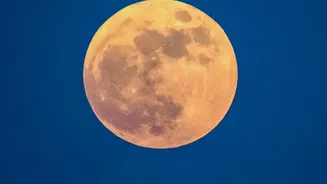
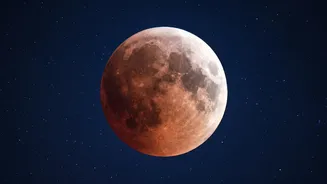
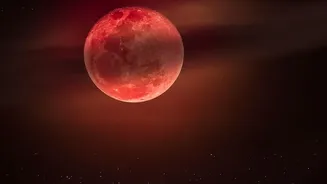
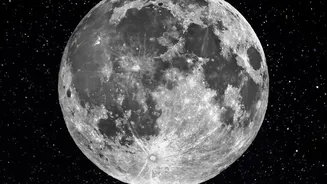
As you watch the March 2026 event, you'll be seeing the final act of the eclipse. When the Moon rises, it will likely already have a dark, coppery, or reddish tint. This is the famous 'Blood Moon' effect, caused by sunlight filtering through Earth's atmosphere and scattering onto the lunar surface. As the minutes pass, you will see this shadow slowly recede from the Moon's face. The edge of Earth's shadow on the Moon will appear curved, a direct visual confirmation that our planet is round. The final stage is when the Moon completely exits the umbra, returning to its usual brilliance as a full moon.