






The Unseen Ingredient in Our Kitchens
The short answer to the headline is a resounding yes. Microplastics, tiny plastic particles smaller than 5 millimetres, have been found in a wide array of daily food items, including those central to the Indian diet. A recent study by the Indian environmental
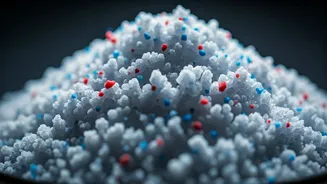
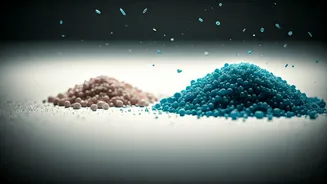
organisation Toxics Link sent ripples through the country when it revealed that all tested samples of salt and sugar—packaged or loose, branded or local—contained microplastics. The study found that common iodised salt contained some of the highest concentrations. But it’s not just salt and sugar. Research has confirmed the presence of these particles in fruits and vegetables, which can absorb them from contaminated soil and water. They're also in seafood, beer, and both tap and bottled water, making them an unavoidable part of our modern environment.
How Plastic Gets on Our Plate
Microplastics enter our food chain through two primary routes. Firstly, through environmental contamination. Decades of plastic pollution have resulted in soil and water sources becoming saturated with these tiny particles. Plants, including staple crops like wheat and vegetables like carrots and lettuce, can absorb microplastics and even smaller nanoplastics through their roots, embedding them directly into their tissues. This means by the time produce reaches our plates, the contamination is already internal. The second pathway is direct contact, primarily from packaging and kitchenware. Plastic packaging can shed particles onto food. This process is accelerated by heat. Studies have shown that microwaving food in plastic containers, even those labelled 'microwave-safe', can release millions of micro- and nanoplastic particles directly into your meal. The simple act of opening a plastic bottle or using a plastic tea bag with hot water can also release a shower of these particles.
What Does Science Say About Health Risks?
This is where the science is still evolving, but the initial findings are concerning. Researchers have confirmed the presence of microplastics in almost every part of the human body they have looked at, including blood, lungs, the gut, and even the brain. While there isn't yet definitive proof linking microplastic ingestion directly to specific diseases in humans, laboratory studies on cells and animals suggest potential harm. These particles are foreign bodies, and their presence can trigger chronic inflammation and an immune response. There is also evidence they can disrupt the delicate balance of our gut microbiome. Some particles can also act like sponges, absorbing other environmental toxins and delivering them into our bodies. While regulatory bodies like the FSSAI in India and the FDA in the US are now actively studying the issue, they state that current evidence doesn't confirm a health risk at the levels found so far. The scientific community agrees, however, that it's a serious issue requiring urgent research.
Practical Steps to Reduce Your Exposure
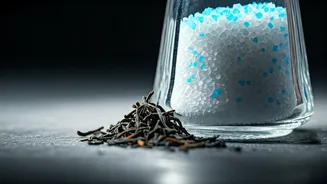
While completely avoiding microplastics is impossible, you can significantly reduce your intake with some simple changes. Start in the kitchen: never heat food in plastic. Transfer leftovers to a glass or ceramic dish before microwaving. When possible, store food in glass or stainless steel containers instead of plastic ones. Consider your cookware; using wooden or steel cutting boards instead of plastic can cut down on particles shed during chopping. Be mindful of your beverages. Filtered tap water is generally a better choice than bottled water, which often has higher microplastic levels from the bottle and cap. If you enjoy tea, switch to loose-leaf varieties instead of using tea bags, many of which are made with plastic fibres that break down in hot water. Finally, try to reduce your consumption of ultra-processed foods, as they tend to have more contact with plastic during manufacturing and packaging.