




The Protein Price Wall
In the world of fitness, protein is king. It's the essential building block for muscle repair, recovery, and growth. This has fueled a massive market for whey protein powders and supplements in India. While effective, these products come with a hefty
price tag. For aspiring athletes, students, and anyone on a budget, spending thousands of rupees a month on imported powders is often unsustainable. This financial barrier can feel like a roadblock to achieving peak performance, leading many to believe that elite nutrition is a luxury they can't afford. The reliance on these highly processed supplements also raises questions about additives, sweeteners, and potential digestive issues like bloating for some users.
Sattu: The Original Superfood Shake
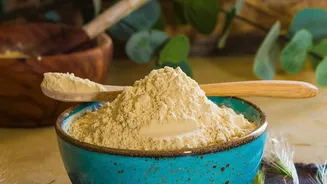
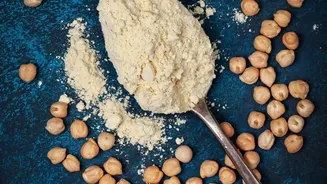
Long before fancy supplement tubs, there was sattu. This humble flour, made from roasted Bengal gram (chana), has been a staple in regions like Bihar, Uttar Pradesh, and West Bengal for centuries. Traditionally known as a 'poor man's protein', it's a nutritional powerhouse. A 100-gram serving of sattu packs around 20-26 grams of plant-based protein, alongside complex carbohydrates and a significant amount of dietary fibre. Its low glycemic index provides a slow, sustained release of energy, making it an excellent pre-workout fuel that prevents energy crashes. Furthermore, it’s rich in essential minerals like iron, magnesium, and calcium, which are vital for bone health, metabolism, and combating fatigue.
Sprouted Legumes: A Nutritional Upgrade
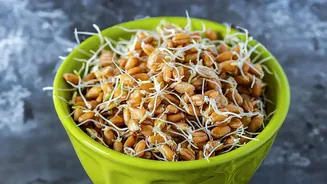
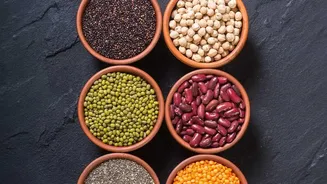
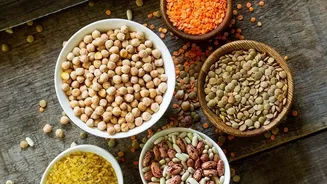
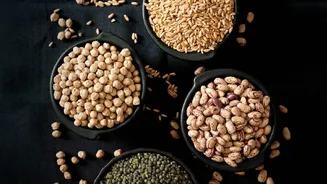
Another forgotten hero of the Indian kitchen is the sprouted legume. The simple act of sprouting—soaking legumes like moong, chickpeas, or lentils until they germinate—dramatically enhances their nutritional profile. The germination process increases the protein content and, more importantly, makes it more digestible and bioavailable. Sprouting breaks down anti-nutrients like phytic acid, which can interfere with mineral absorption. This means your body can more effectively absorb the iron, zinc, and calcium from the legumes. Sprouted legumes are also bursting with vitamins, especially Vitamin C, and enzymes that aid digestion. A 100g serving of sprouted chickpeas can provide up to 9 grams of highly digestible protein.
Whole Foods vs. Isolated Supplements
While a scoop of whey protein delivers a concentrated dose of protein (around 24g per serving), it's just that—an isolate. Sattu and sprouted legumes offer what is known as 'food synergy'. You get high-quality protein packaged with fibre, which supports gut health and improves nutrient absorption. You get complex carbs for sustained energy, and a spectrum of vitamins and minerals that supplements often lack. For example, the high fibre in sattu not only keeps you full but also aids digestion, and its natural cooling properties make it an ideal hydrating drink for India's climate. These whole foods support overall wellness, not just a single macronutrient target.
Putting It Into Practice
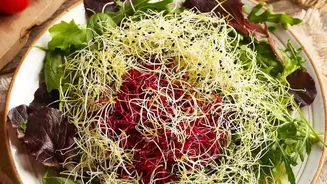
Incorporating these superfoods into an athlete's diet is simple and versatile. Sattu can be consumed as a traditional 'sharbat' by mixing it with water, salt, and a squeeze of lemon for a refreshing and hydrating post-workout drink. It can also be blended into smoothies, rolled into laddoos for a quick energy snack, or even stuffed into parathas for a high-protein meal. Sprouted legumes are incredibly versatile. Toss them into a salad with chopped vegetables for a crunchy, nutrient-dense lunch. They can be lightly steamed and seasoned to make a warm snack, added to curries, or blended into a raw hummus. The key is consistency and finding preparations that fit your routine and taste preferences.