





Wayanad's Post-Monsoon Magic
The period from September to November is arguably the best time to witness Wayanad in its full glory. The heavy rains have subsided, leaving behind a landscape that is refreshed, lush, and incredibly vibrant. Waterfalls like Soochipara are at their peak
flow, and the air is crisp and clean. Temperatures are pleasant, ranging from 18°C to 25°C, making it ideal for sightseeing and outdoor activities without the constant downpour of the peak monsoon months. This season offers a perfect balance: the dramatic greenery of the monsoon with more comfortable, travel-friendly weather.
The Journey from Kochi
The drive from Kochi to Wayanad is a scenic adventure in itself. Covering a distance of approximately 250-270 kilometres, the journey typically takes around six to eight hours by car. The most popular route is via Thrissur and Kozhikode, which then ascends the winding Thamarassery Ghat Road, offering stunning views of the valleys below. For a weekend trip, an early morning start from Kochi is recommended to avoid city traffic and make the most of your first day. Alternatively, several KSRTC and private buses, including Volvo services, ply this route daily, offering a comfortable and affordable option. The trip by bus can take a similar amount of time, around seven hours.
Finding Your Home in the Hills
Wayanad excels in offering authentic homestay experiences that hotels often can't match. These stays, run by local families, provide a unique window into the region's culture and cuisine. For a post-monsoon trip, consider a plantation homestay in areas like Vythiri or Meppadi, where you can wake up to misty tea or coffee gardens. Kalpetta, being a central town, offers convenient access to various attractions and has numerous budget-friendly and heritage homestay options. Many hosts can arrange local sightseeing, guided treks, and even cooking classes featuring traditional Kerala cuisine. From heritage villas to riverside cottages and eco-friendly farm stays, there's an option for every budget and travel style.
The Serenity of Bamboo Rafting
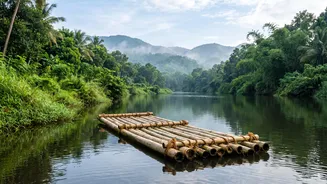
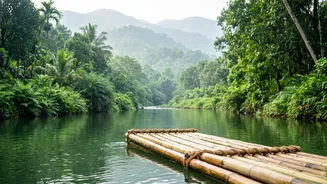
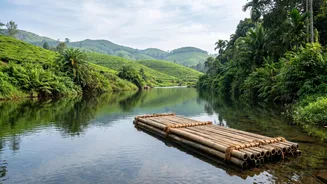
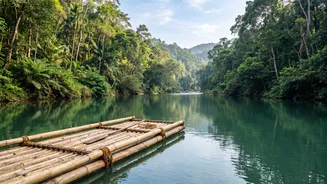
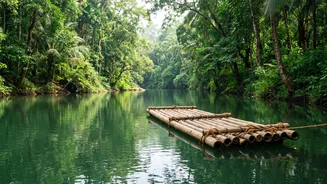
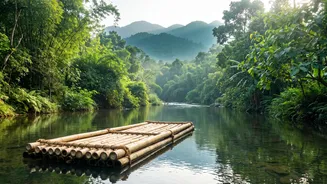
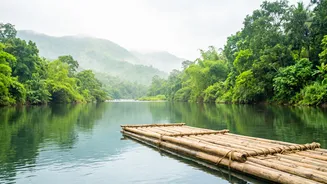
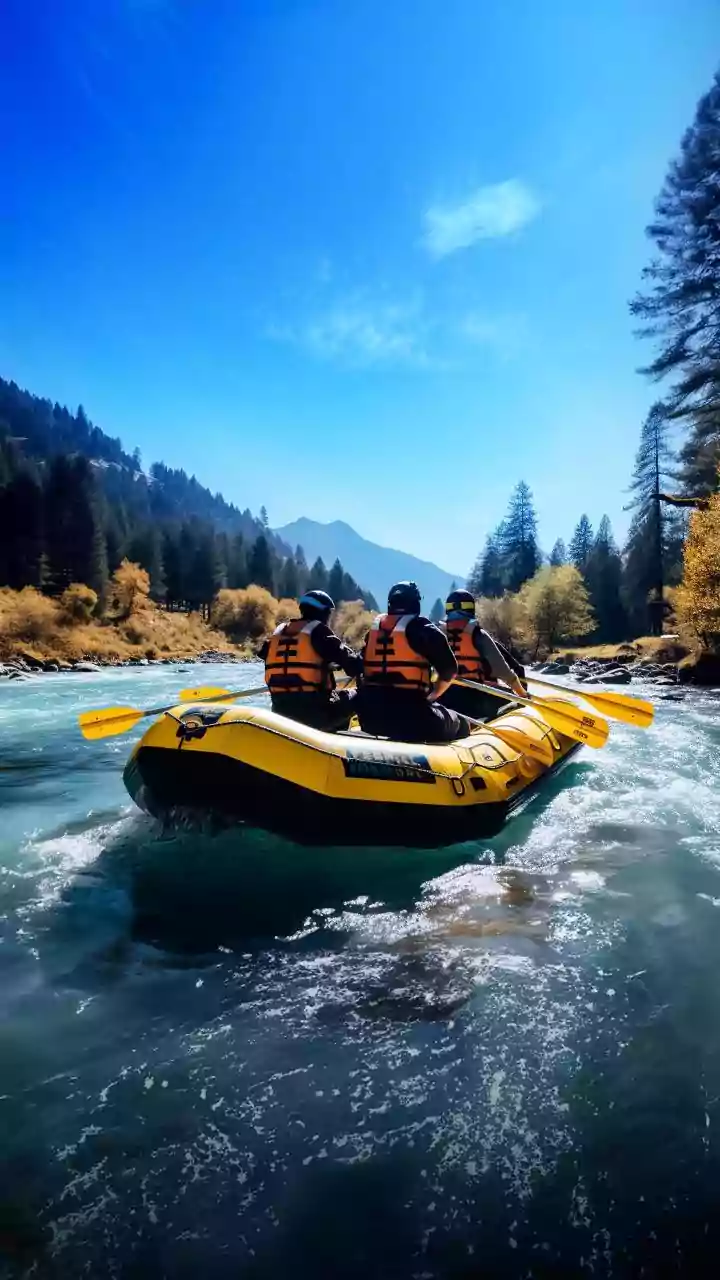
The highlight of a tranquil Wayanad trip is often the bamboo rafting experience. Kuruva Island (Kuruvadweep), a 950-acre protected river delta on the Kabani River, is a prime location for this activity. Here, you can glide on calm waters surrounded by dense evergreen forests, making it a paradise for birdwatchers and nature lovers. Another excellent spot is Pozhuthana, where you can raft on the Vythiri river amidst picturesque tea plantations and misty mountains. This gentle activity is safe for beginners and families, with guides accompanying each raft to ensure safety. Unlike adrenaline-fueled whitewater rafting, this is a slow, meditative journey that allows you to soak in the serene wilderness.
More to Explore: Waterfalls and Viewpoints
Beyond rafting, post-monsoon Wayanad is ripe for exploration. Soochipara Waterfalls, also known as Sentinel Rock Waterfalls, is a must-visit. A short trek through tea estates leads you to the three-tiered cascade, which is spectacular after the rains. For breathtaking panoramic views, head to Lakkidi View Point, the gateway to Wayanad, which offers a stunning vista of the hairpin bends you just conquered. Another key attraction is the Banasura Sagar Dam, India's largest earthen dam, which looks majestic with its reservoir full and surrounded by misty hills. A visit to the ancient Edakkal Caves offers a glimpse into prehistoric times with its fascinating petroglyphs, made even more mystical by the post-monsoon fog.