


What is Evening Creative Burnout?
It’s a specific type of mental exhaustion that hits many of us in the late afternoon or evening. Unlike simple tiredness, it’s a feeling of being creatively drained, uninspired, and stuck. Your logical brain might still be working, but the part that generates
new ideas, solves complex problems, or finds elegant words feels completely depleted. This often happens after a day of intense focus, countless small decisions, or constant digital stimulation. You’re not lazy; your creative well has just run dry for the day, and forcing it only leads to frustration and diminished returns.
The Gentle Power of Hatha Yoga
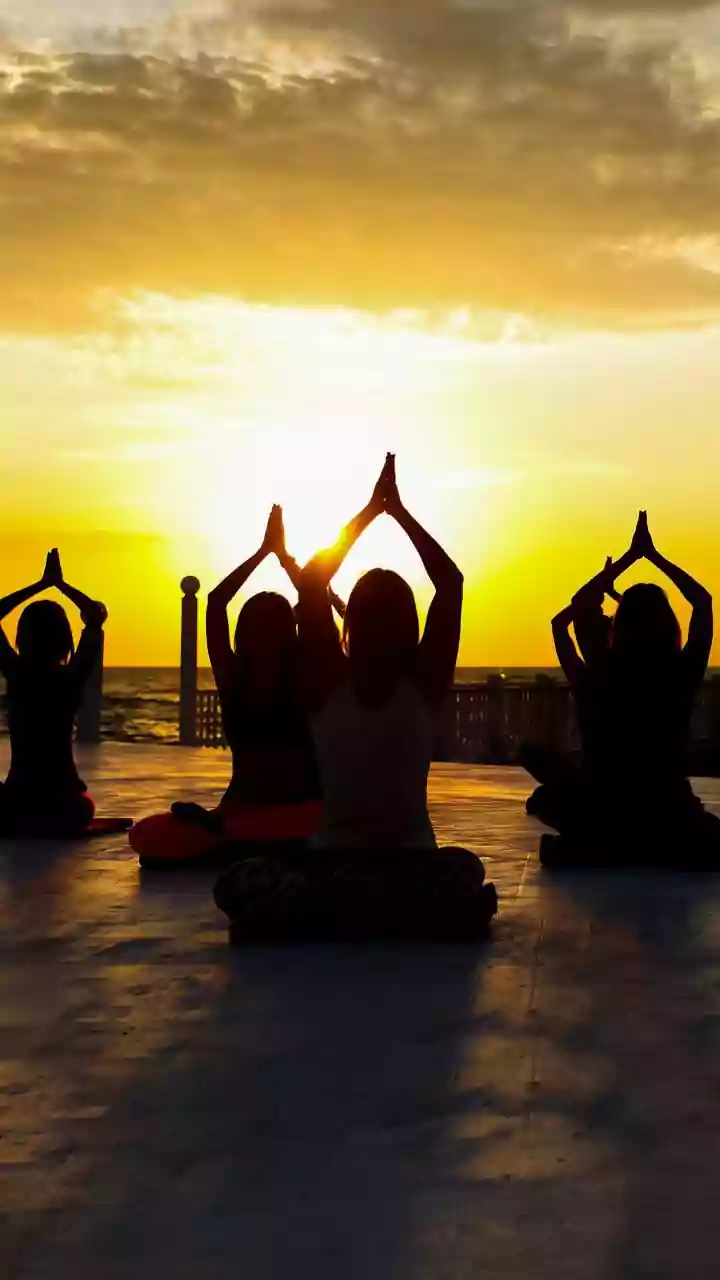
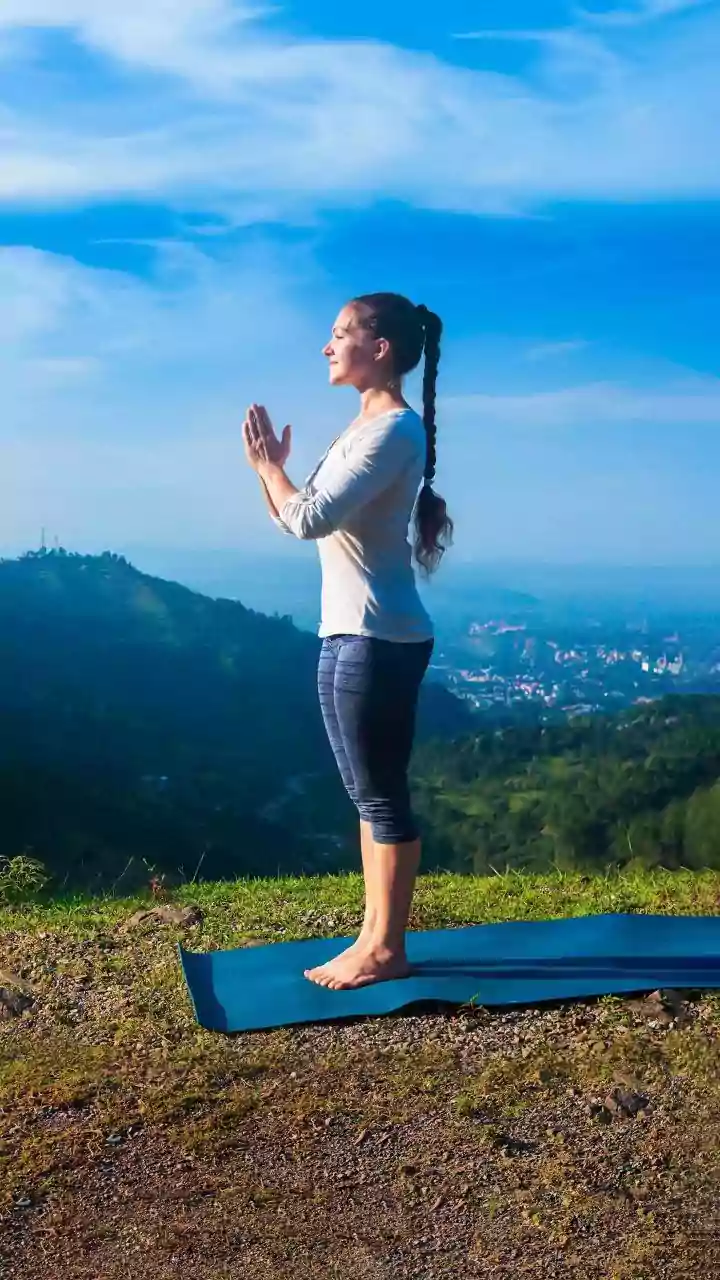
While the headline mentions a 'cure', it's more accurate to think of this as a powerful management tool. And Hatha yoga is the perfect foundation. Unlike more vigorous styles like Vinyasa or Ashtanga, Hatha focuses on slow, deliberate movements and holding postures (asanas) for several breaths. This approach does two critical things. First, it gently releases physical tension stored in the shoulders, neck, and hips—common areas where desk workers hold stress. Second, it forces you to slow down your breathing and focus on bodily sensations. This act of mindful movement is a powerful circuit-breaker for a racing or fatigued mind, shifting your focus from mental chatter to physical presence.
Why Nature is a Creative Superfood
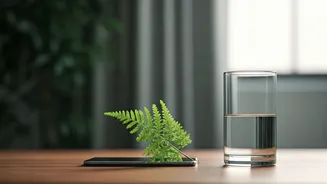
The second ingredient in this restorative combo is nature. You don't need to embark on a multi-day trek. The benefits can come from simply stepping into your garden, looking out the window at a tree, or even focusing on a houseplant on your desk. Research into biophilia—our innate tendency to connect with nature—shows that even brief exposure to natural elements can reduce stress, lower blood pressure, and improve focus. Nature provides what psychologists call 'soft fascination,' a state where your attention is held effortlessly (like watching leaves rustle or clouds move). This is the exact opposite of the 'hard fascination' required to stare at a screen, and it allows your brain's directed-attention circuits to rest and recover, which is essential for creative thinking.
Creating Your Hatha-Nature Ritual
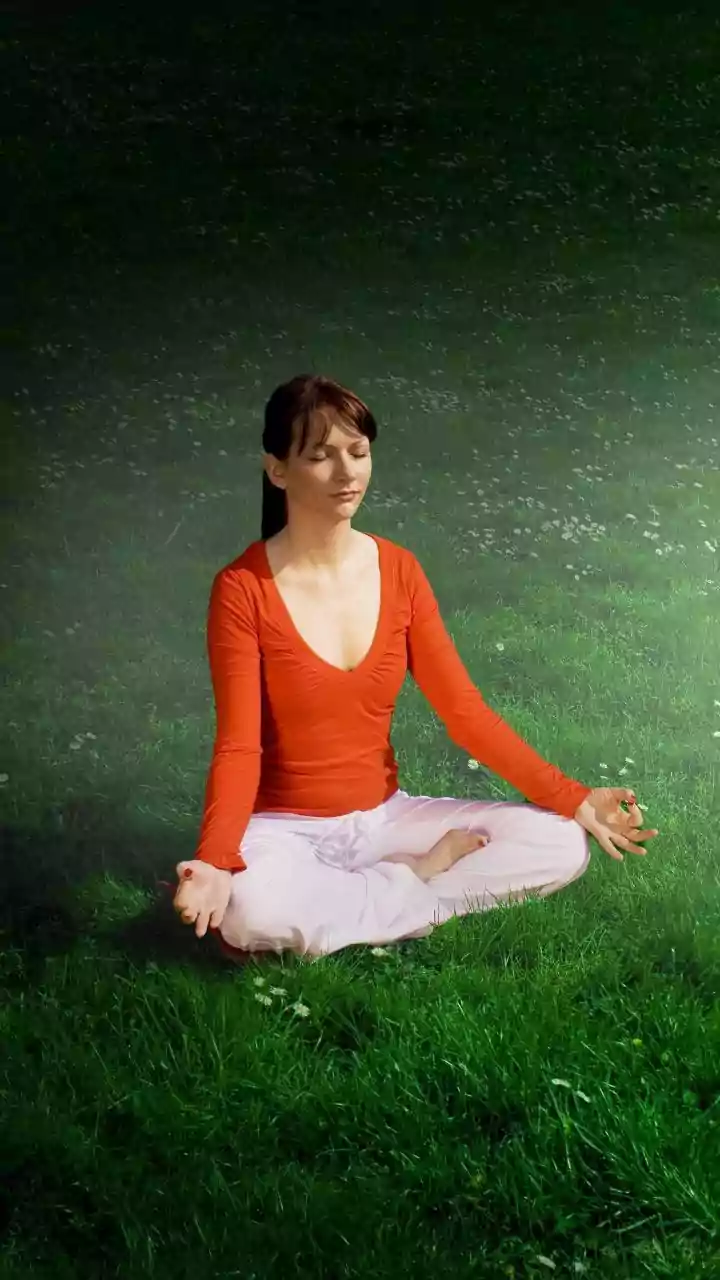
Combining these two elements creates a synergistic effect that’s more potent than either one alone. The key is to make it a simple, accessible ritual, not another chore on your to-do list. Here’s how to start: 1. **Find Your Space:** You don't need a formal studio. A small patch of grass in your backyard, a balcony, or even a clear space on the floor by an open window works perfectly. The goal is to be in a place where you can see, hear, or feel some element of nature. 2. **Set a Time:** Dedicate just 15-20 minutes as you transition from your workday to your evening. This marks a clear boundary and signals to your brain that it's time to shift gears. 3. **No Gear Required:** Just wear comfortable clothing. A yoga mat is helpful but a patch of soft grass or a carpeted floor is fine. The idea is to remove all barriers to starting.
A Simple 20-Minute Rejuvenation Sequence
Here is a sample routine to get you started. Focus on your breath and the sensations of nature around you. * **(5 minutes) Mindful Arrival:** Start by standing or sitting comfortably. Close your eyes and take ten deep breaths. Notice the air temperature on your skin. Listen for sounds—birds, wind, distant traffic. Don't judge them, just notice. * **(5 minutes) Cat-Cow Poses:** On your hands and knees, inhale as you drop your belly and look up (Cow Pose). Exhale as you round your spine and tuck your chin (Cat Pose). Feel the movement unlocking your spine. Sync the movement with your breath. * **(5 minutes) Tree Pose (Vrikshasana):** Stand on one leg, placing the sole of your other foot on your inner thigh or calf (avoiding the knee). Find a stationary point in nature to gaze at—a leaf, a branch—to help you balance. Feel yourself rooting down like a tree. * **(5 minutes) Seated Forward Fold (Paschimottanasana):** Sit on the ground with your legs straight out. Inhale to lengthen your spine, and exhale to gently fold forward. You don't need to touch your toes; just relax your neck and feel the stretch in your back and hamstrings. End by lying down for a minute, simply observing the sky or the ceiling.