




Why Rushing Is a Recipe for Disaster
We’ve all been there: a major event is just days away, and you realise your brand-new kurta is too long or the shoulders of your suit jacket are too wide. This is when the panic sets in. A last-minute rush to the tailor is stressful, but more importantly,
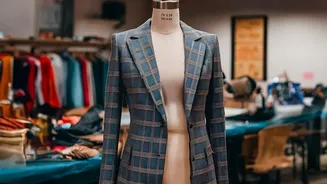
it compromises the quality of the work. Good tailoring is an art that requires precision and time. Complex fabrics, delicate embroidery, or structured garments like blazers and formal gowns cannot be altered properly in a day or two. Furthermore, the best tailors are often booked weeks in advance, especially during peak wedding and festive seasons. Leaving your fit check to the last minute means you might have to settle for a less-experienced tailor or pay a hefty rush fee for a job that may not meet your expectations. Planning ahead isn't just about avoiding stress; it's about respecting the craft and ensuring your investment looks its best.
Your Ideal Occasionwear Timeline
To ensure you walk into your event feeling confident and comfortable, follow a structured timeline. For a significant occasion like a wedding or major festival, start thinking about your outfit 6 to 8 weeks in advance. This gives you ample time to browse, order online if needed, and account for any shipping delays. Once the outfit is in your hands, the tailoring clock starts ticking. Aim to take it for its first fitting at least 3 to 4 weeks before the event. This buffer is crucial. It allows the tailor enough time for detailed work and accommodates a potential second or even third fitting to fine-tune the details. For a wedding dress, the timeline is even longer, often requiring 2 to 3 months for multiple intricate fittings. For simpler adjustments on a suit or a guest's dress, a 2-to-3-week window is a safe bet.
Finding the Right Alterations Expert
Not all tailors are created equal. The person who hems your daily-wear trousers may not be the right expert to handle a delicate, layered lehenga or a structured tuxedo. Start by seeking recommendations from friends and family. Look for specialists who have experience with formal or bridal wear. Online reviews on local directories can also be a valuable resource, often highlighting tailors known for their skill with specific garments like suits or gowns. When you visit a potential tailor, don't be afraid to ask about their experience with similar fabrics or designs. A good tailor will often have a portfolio or be able to confidently discuss the best approach for altering your specific garment.
How to Prepare for Your Fitting
Your fitting is a collaborative process. To get the best results, you need to provide your tailor with the right information. The most critical rule is to bring the exact shoes and undergarments you plan to wear with the outfit. A change in heel height can completely alter the required length of a gown or a pair of trousers, and different undergarments can change how a bodice or waistline fits. Before your appointment, try on the entire ensemble at home. Walk, sit, and move your arms to identify any areas of tightness or awkward draping. Be prepared to communicate clearly what you like and what feels off. Your feedback is essential for the tailor to understand your desired silhouette and comfort level.
Common Alterations and Their Timelines
Understanding what's involved can help manage your expectations. Simple jobs like hemming trousers or shortening basic sleeves can often be done within a week. However, adjusting the hem on a multi-layered gown or a dress with a delicate trim will take longer, potentially 7 to 10 days. Taking in the waist or side seams on a lined dress or suit jacket is more complex and typically requires 1 to 2 weeks. The most time-consuming alterations involve a garment's core structure, such as adjusting the shoulders of a jacket, which can take up to 2 weeks or more. Any work on beaded, sequined, or lace-covered fabrics will also add to the timeline due to the meticulous handiwork required.