

Recycle Your RO Purifier's Wastewater
Reverse Osmosis (RO) purifiers are essential in many Indian homes for safe drinking water, but they are notoriously inefficient. A standard RO system can waste three to four litres of water for every one litre it purifies. This 'reject water' isn't toxic,
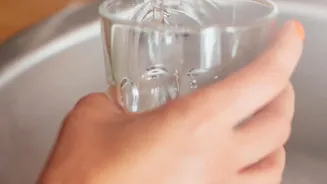
just high in dissolved solids. Instead of letting it flow down the drain, collect it in a bucket or a separate container. This water is perfectly suitable for mopping floors, washing cars, cleaning balconies, or pre-rinsing dirty dishes. Some modern RO systems are designed to be more efficient, with some claiming a 1:1 waste ratio, but capturing and reusing the wastewater from any model is a simple habit that can save thousands of litres a year.
Install Low-Cost Tap Aerators
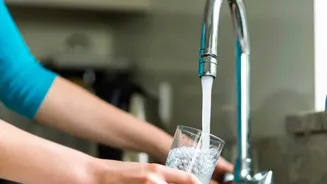
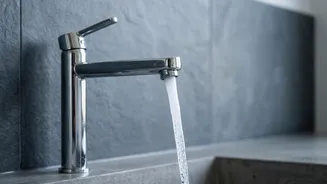
One of the most effective and affordable changes is installing aerators on your taps. These small attachments, which cost just a few hundred rupees, screw onto the end of most standard taps in kitchens and washbasins. By mixing air with the water stream, they reduce the volume of water flowing through without compromising the pressure needed for washing hands or dishes. Some aerators can reduce water flow by up to 80%. The installation is a simple DIY task that takes less than a minute and requires no plumber. This single, low-cost upgrade across all the taps in your home can significantly cut your daily water consumption.
Embrace Greywater Recycling
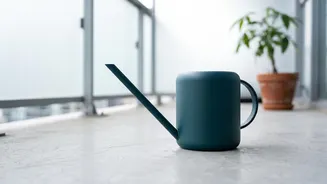
A significant portion of the water used in a home is 'greywater'—the relatively clean runoff from showers, laundry, and bathroom sinks. With a proper system, this water can be recycled for non-potable uses like flushing toilets and gardening. While complex, professionally installed systems exist, a simple starting point is to separate the drainage pipes during construction or renovation. Even without a full system, you can start small by placing a bucket in the shower to collect the initial cold water while you wait for it to heat up. This collected water can be used to water plants. For homeowners looking for a more permanent solution, compact and affordable greywater recycling units are now available in India that can treat and reuse hundreds of litres per day.
Become a Leak Detective
A slowly dripping tap or a constantly running toilet can waste a surprising amount of water over time. A single leaking tap can waste thousands of litres in a year. Make it a habit to regularly check all faucets, pipes, and toilet flushes for leaks. A simple way to check your toilet cistern for a silent leak is to add a few drops of food colouring to the tank. Wait for about 15-20 minutes without flushing. If you see the colour appear in the toilet bowl, you have a leak that needs fixing. Promptly repairing these small issues with the help of a plumber or by replacing worn-out washers can prevent significant and unnecessary water loss.
Consider Small-Scale Rainwater Harvesting
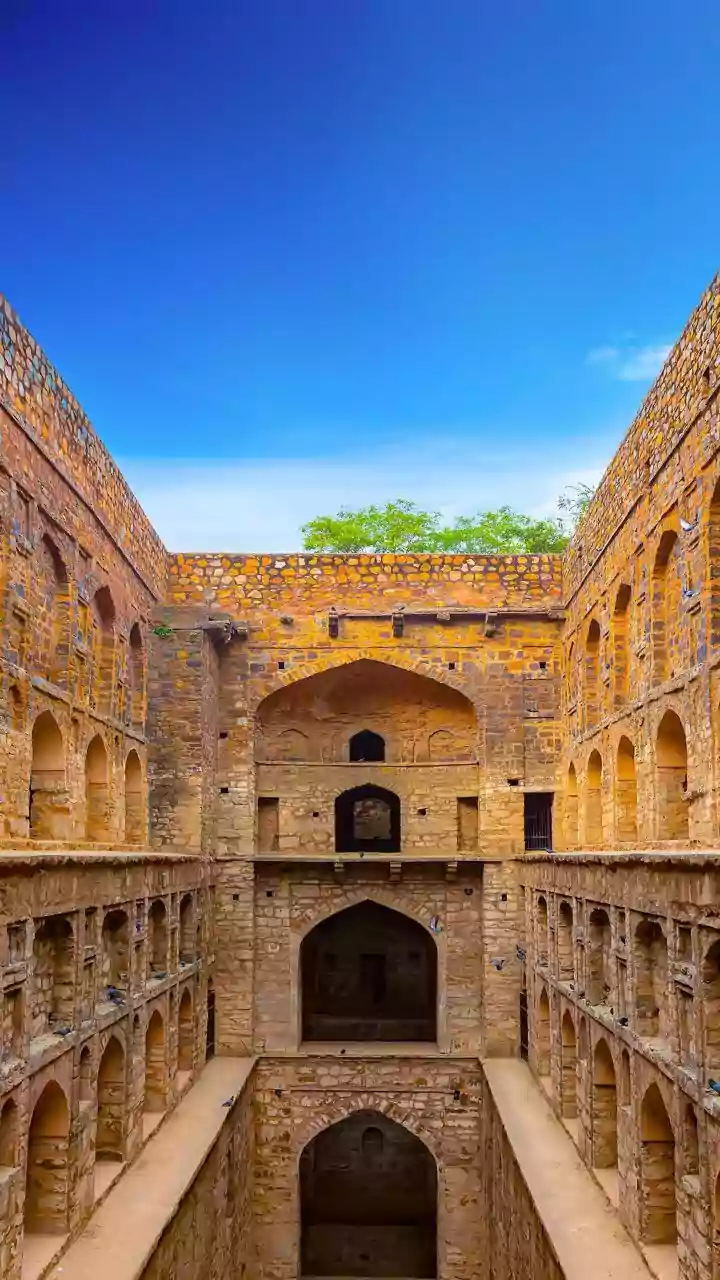
Rainwater harvesting doesn't always require a large, complex system. While several Indian states and cities have made rainwater harvesting mandatory for new buildings of a certain size, individual homeowners can adopt simpler versions. A basic setup can involve directing the runoff from your rooftop or balcony through a filtered pipe into a dedicated storage tank. This collected water is ideal for gardening, cleaning outdoor areas, and washing vehicles. There are even low-cost DIY models using PVC pipes and drums that can be effective for groundwater recharging in a small plot. Before installing any system, it's wise to check your local municipal regulations, as rules can vary.
Adopt the Bucket Bath
While modern showers are convenient, they can use a large volume of water, often much more than needed. Reverting to the traditional Indian method of using a bucket and mug for bathing can drastically reduce water consumption. A typical shower can use several litres of water per minute, whereas a bucket bath uses a fixed, and usually much smaller, amount of around 15-20 litres. If giving up showers entirely isn't practical, try to limit their duration. Setting a timer for five minutes can make a significant difference. Another option is to install low-flow showerheads that, similar to tap aerators, reduce water usage without sacrificing pressure.