

A Search for Authentic Flavours
In an age of globalised menus where the same avocado toast and pancakes appear everywhere, a growing number of Indians are turning inward, seeking authenticity on their plates. This revival is about more than just food; it's a rediscovery of identity.
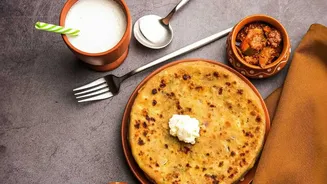
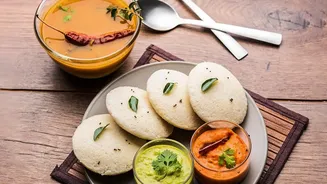
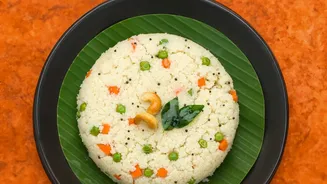
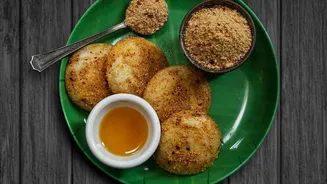
Younger generations, curious about their heritage, are looking past the standard restaurant fare of butter chicken and paneer tikka. They are exploring the hyperlocal dishes that tell a story of a specific region, a community, or even a family. This has sparked a renewed interest in breakfast dishes that were once confined to home kitchens, from Karnataka’s akki roti (rice flour flatbread) to Andhra’s pesarattu (moong dal dosa) and the savoury rice cakes of the North East.
The Health Halo of Traditional Grains
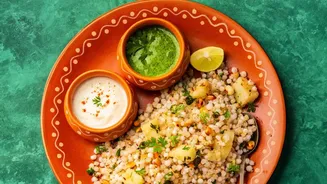
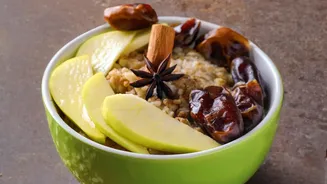
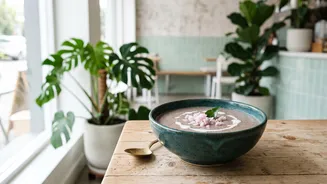
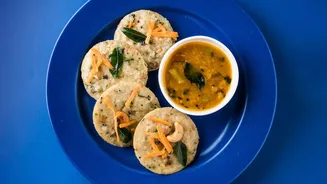
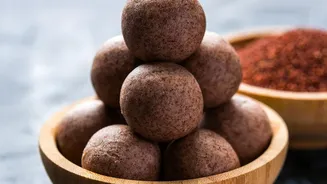
The modern wellness movement has found an unlikely hero in the traditional Indian breakfast. As people become more discerning about nutrition, the wisdom behind age-old recipes is being validated. Nutritionists point out that many regional breakfasts offer a balanced mix of complex carbohydrates, protein, and fibre, providing sustained energy without the sugar crash associated with processed cereals. Fermented dishes like idli and dosa are now celebrated for their probiotic qualities, which promote gut health. Ancient grains, especially millets like ragi, jowar, and bajra, are making a significant comeback. Once considered humble fare, these grains are now lauded as superfoods, rich in calcium, iron, and fibre, and are being creatively incorporated into modern breakfast bowls, porridges, and dosas.
How Social Media Made Grandma's Food Cool
The vibrant colours and textures of Indian food seem tailor-made for platforms like Instagram. This visual appeal has played a huge role in the breakfast revival. Food bloggers and home chefs have become digital ambassadors for regional cuisine, sharing beautifully styled photos and quick video tutorials that make complex recipes seem approachable. A perfectly golden appam or a colourful plate of poha garnished with pomegranate seeds can go viral, sparking curiosity and encouraging followers to try these dishes at home. Social media has effectively created a visual library of India’s culinary heritage, educating users on ingredients and techniques while making traditional food aspirational for a new generation.
Chefs Championing Hyperlocal Cuisine
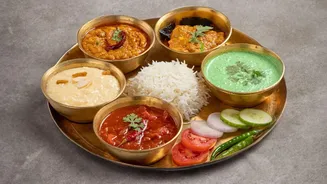
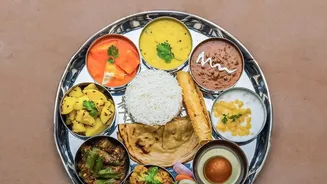
The revival isn't just happening in home kitchens; it's being led from the front by a new wave of influential Indian chefs. Moving beyond pan-Indian menus, these culinary leaders are digging deep into the country's diverse food traditions, unearthing forgotten recipes and celebrating indigenous ingredients. Chefs are reinterpreting and elevating humble regional dishes, giving them pride of place in fine-dining restaurants in India and abroad. When a celebrated chef puts a dish like Goan vindaloo or a hyperlocal thali on their menu, it validates the cuisine's importance and introduces it to a wider audience that may have never encountered it before.
Modern Convenience Meets Ancient Wisdom
While there's a clear return to tradition, it doesn't mean a return to hours of laborious prep work. The reality of busy urban lives means convenience is still key. The market has responded by bridging the gap. Today, you can find high-quality idli and dosa batters, ready-to-use millet mixes for porridge, and other products that make cooking a traditional breakfast faster and easier. This evolution allows people to enjoy the nutritional benefits and authentic taste of regional breakfasts without sacrificing precious morning minutes. It proves that the choice isn't just between a slow, traditional meal and a quick, unhealthy one. A healthy, convenient, and traditional breakfast is now an achievable goal.