



The Unlikely Himalayan Tech Hub
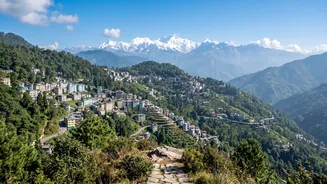
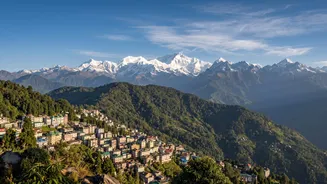
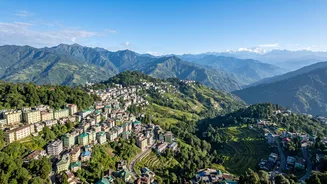
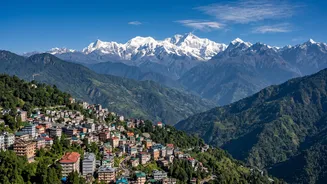
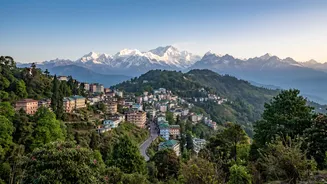
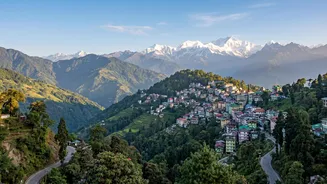
For decades, Gangtok has been known for its serene monasteries, breathtaking views of Kanchenjunga, and its unique blend of Tibetan and Nepali culture. It’s a place for tourists seeking peace and adventure. But a new trend is taking root. Tech workers,
freelancers, and entrepreneurs are now flocking to the Sikkimese capital, not for a short holiday, but for a long-term “workation.” They are trading the concrete jungles of Bengaluru and Hyderabad for crisp mountain air, drawn by a surprisingly robust digital infrastructure that has emerged in this remote corner of India. Government-backed initiatives and private enterprise are combining to make this a sustainable, year-round alternative to traditional tourism.
High-Speed Internet Changes Everything
The single most critical ingredient for any digital nomad destination is reliable, fast internet, a resource historically scarce in mountainous regions. This is where Gangtok's story shifts. The arrival of fibre broadband services from providers like Jio and other local players has been a game-changer. These networks offer speeds that are more than capable of handling video conferences, large file transfers, and cloud-based workflows. In fact, dedicated coworking spaces in the city now offer fibre connections with speeds up to 200 Mbps. This dependable connectivity is the foundation upon which Gangtok’s appeal to the tech community is built, proving that you no longer need to be in a metro city to stay globally connected.
Community, Collaboration, and Co-Living
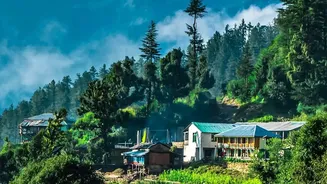
Working remotely can be isolating, which is why the rise of co-living and coworking spaces is the second key factor in Gangtok's success. Instead of sterile hotel rooms, nomads can opt for community-oriented homestays or dedicated co-living facilities. Initiatives like 'Nomad Sikkim' are transforming entire villages, such as Yakten near Gangtok, into digital nomad hubs. These spaces offer not just a desk and Wi-Fi, but a built-in community. In Gangtok itself, the first dedicated coworking space, Sanctorum, was established in 2025 to provide a professional environment with amenities like meeting rooms and even a podcast studio, specifically for remote workers who were previously confined to cafés and hotel lobbies. This fosters an environment of collaboration and social connection that is vital for long-term stays.
The Ultimate Work-Life Balance
Beyond the practicalities of work, Gangtok offers a quality of life that is hard to match. The cost of living is significantly lower than in major Indian cities. The work day can be punctuated by walks on lush green trails, and weekends can be spent trekking or exploring remote monasteries. The local culture is rich and welcoming, with an emphasis on organic food and sustainable living. This combination of a productive work environment and unparalleled access to nature and wellness activities creates a powerful draw. It's a chance to escape the urban grind without sacrificing professional ambition, offering a holistic lifestyle that prioritizes both productivity and personal well-being.
A Model for the Future?
The transformation of Gangtok and surrounding areas is part of a deliberate effort to create a sustainable, year-round economy that is less dependent on seasonal tourism. By standardizing homestays for work requirements while preserving local culture, the model supports local entrepreneurs and creates auxiliary service jobs in areas like transport and hospitality. The success of Yakten has already inspired plans for a second digital nomad village. While challenges like potential strain on local resources and cultural shifts remain, the 'Nomad Sikkim' initiative presents a compelling blueprint. It shows how smaller towns across India can leverage digital infrastructure to attract global talent, diversify their economies, and redefine what it means to be a modern workplace.