
What Exactly Is Fusion Baking?
At its heart, fusion baking is the art of blending ingredients, techniques, and flavours from different culinary traditions into a single, harmonious creation. It's not about randomly throwing things together, but a thoughtful process of innovation. Think
of the cronut, which famously merged the flaky layers of a French croissant with the comforting shape of an American doughnut. This approach allows home chefs to create dishes that feel both novel and familiar. By combining the techniques or ingredients of two or more distinct cultures, bakers are crafting desserts that tell a unique story. For example, a French baking technique might be used to create a dessert with classic Indian spices, resulting in something entirely new.
The Rise of the Global Palate
So, why is this trend taking off now? A huge part of the answer lies in our increasingly connected world. Social media platforms like Instagram and TikTok have become digital hubs for culinary creativity, allowing trends to travel across the globe in an instant. Visually stunning creations like motichoor rabri parfaits or colourful mochi donuts are made to be shared, inspiring countless others to experiment. Beyond the screen, a growing curiosity about different cultures and a desire for new experiences are fuelling this movement. For a generation of home cooks who grew up with a wider range of flavours, the kitchen has become a playground for self-expression. Online communities provide a space to share recipes and tips, making advanced baking more accessible than ever before.
From Mithai to Macarons
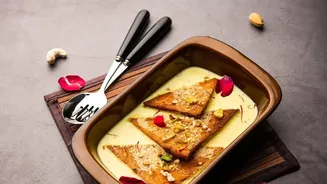
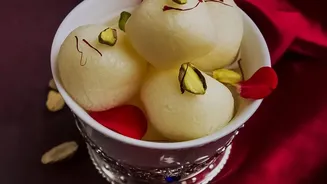
The beauty of fusion baking lies in its endless possibilities, particularly when it comes to reimagining Indian sweets. These creations are becoming showstoppers at festive gatherings and dinner parties. Picture a creamy, decadent cheesecake with a surprise gulab jamun nestled inside, or a classic Italian tiramisu given a desi twist with layers of soft rasmalai. Bakers are infusing everything from cakes to cupcakes with beloved Indian flavours. You can now find recipes for Gulab Jamun Cake, where a soft sponge is soaked in fragrant syrup, and Rasmalai Tres Leches, which soaks the classic sweet in a trio of milks for a melt-in-your-mouth experience. Other popular examples include masala chai-spiced cookies, kesar pista (saffron pistachio) cupcakes, and even gajar halwa transformed into bite-sized truffles.
More Than Just a Pretty Picture
While these desserts are certainly photogenic, the fusion trend runs deeper than just aesthetics. For many, it’s a way to connect with their heritage while embracing modern tastes. It's about taking the flavours you grew up with and presenting them in a new and exciting format. This blend of nostalgia and innovation resonates strongly with younger home bakers who are eager to put their own stamp on tradition. By incorporating familiar spices like cardamom, saffron, and ginger into global formats like cookies, cakes, and tarts, they are creating a new culinary language. This act of creative cooking is a form of storytelling, bridging cultural divides one delicious bite at a time.
How to Start Your Fusion Journey
Intrigued but not sure where to begin? The key is to start small and build confidence. You don't need to be a professional pastry chef to experiment with fusion flavours. Begin by thinking about a flavour you love and how it might complement a simple, familiar recipe. Try adding a pinch of cardamom to your favourite shortbread cookie recipe or infusing your next batch of cupcakes with rose water. Consider how a classic Indian dessert could be deconstructed and reimagined. Could the flavours of gajar halwa work in a crumble tart, or could besan ladoo be turned into a chocolate truffle? The goal is to experiment, have fun, and find surprising new combinations that delight your taste buds.